At least 272 Ghanaians have taken part in the war between Russia and Ukraine since 2022, with 55 confirmed dead and two currently being held as prisoners of war, Ukrainian authorities have disclosed.
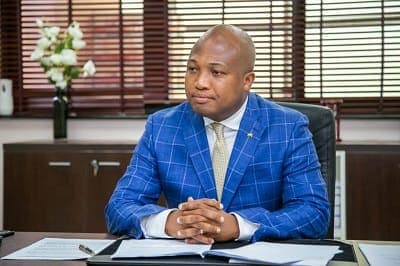
The figures were presented to a Ghanaian delegation led by Foreign Affairs Minister, Samuel Okudzeto Ablakwa, during a recent visit to Ukraine. The primary mission of the delegation was to secure the release of the two captured Ghanaians.
According to Ukrainian intelligence officials, the number of Ghanaians involved in the conflict has steadily increased over the past two years. Many are believed to have travelled through informal channels, drawn by promises of work and better opportunities, only to find themselves on the front lines of a brutal war far from home.
Mr Ablakwa expressed shock at the scale of Ghanaian involvement and the growing death toll. He said the government would intensify efforts to dismantle criminal trafficking networks accused of recruiting and transporting young Ghanaians to fight in the conflict.
Behind the statistics are grieving families and communities left searching for answers. Fifty five lives lost means dozens of mothers, fathers, siblings and children who may never fully understand how their relatives ended up in a distant battlefield.
The two captured Ghanaians have reportedly indicated their willingness to support advocacy efforts aimed at discouraging other young people from being lured into the war. Their release is now under consideration, with President Volodymyr Zelenskyy signalling his intention to free them on humanitarian grounds.
Ukrainian authorities also disclosed that, as of February 2026, about 1,780 Africans from 36 countries have been involved in the conflict, with several hundred reported killed. The figures highlight the widening global footprint of a war that has entered its fourth year.
Beyond the immediate concern over the detained nationals, the visit offered an opportunity to deepen diplomatic engagement. Ghana and Ukraine have maintained relations since 1993, and discussions during the trip focused on agriculture, defence and intelligence cooperation, education, and technology partnerships.
For Ghana, however, the most urgent priority remains bringing its citizens home and shutting down the networks that continue to profit from sending young men into a war that is not theirs.