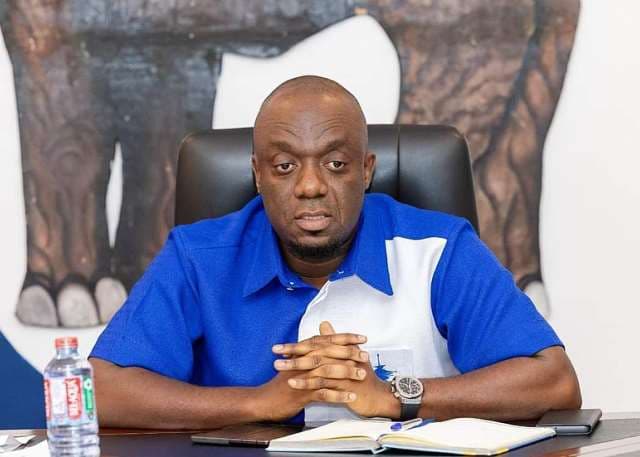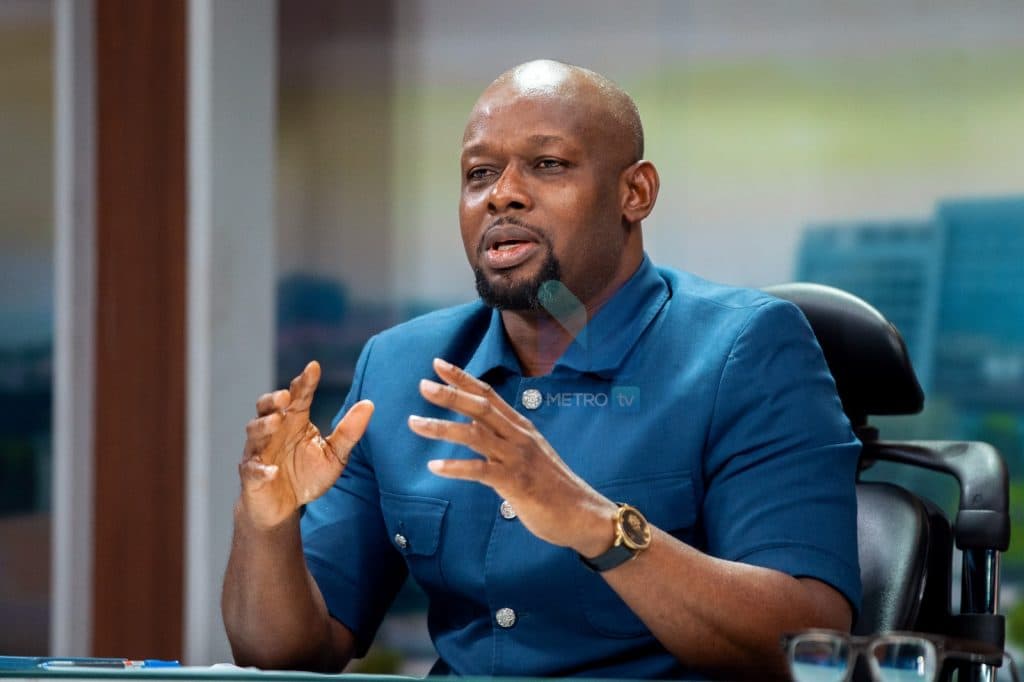
The Member of Parliament for Jirapa, Cletus Seidu Dapilah, has questioned whether the New Patriotic Party is comfortable with the public conduct of its Bono regional chairman, Kwame Baffoe, also known as Abronye, following his rearrest and remand.
Speaking on Metro TV’s Good Morning Ghana on May 14, the National Democratic Congress MP said Abronye’s style of communication had gone too far, particularly when it involved comments about judges.
“I want to ask a question. Are they proud of the communication style of Abronye?” he said. “Are they proud of how he communicates?”
Mr Dapilah argued that while political expression should be protected, it must still be grounded in fact and respect for the law.
“Abronye does things that he gets away with it. But when you take it to the bench, it will not allow you to malign them,” he said.
He warned that public commentary on the judiciary carried serious consequences, referencing past election petition cases.
“You remember the 2012 election petition? People were convicted,” he said. “The bench will not take kindly to attempts to impugn its reputation.”
The MP said freedom of expression was not a licence to spread falsehoods or insult others without evidence.
“Free speech is not for you to throw lies. Free speech is not for you to throw falsehood into the public space,” he said. “We have laws governing this country.”
He cited Ghana’s Criminal Offences Act and the Electronic Communications Act, arguing that the legal framework exists to protect both citizens and institutions.
According to him, democracy depends on rules and restraint.
“It is because of the same laws that people can speak freely and go home safely,” he said.
Mr Dapilah also said politicians must be mindful of their public conduct, warning that reckless statements could later affect their own political ambitions.
“When you are reckless in speaking as a politician, the day you want a position, that is when they will judge you,” he said.
He added that criticism should always be backed by evidence.
“If you say things against somebody, you should have sufficient evidence. You cannot just speak without proof,” he said.