
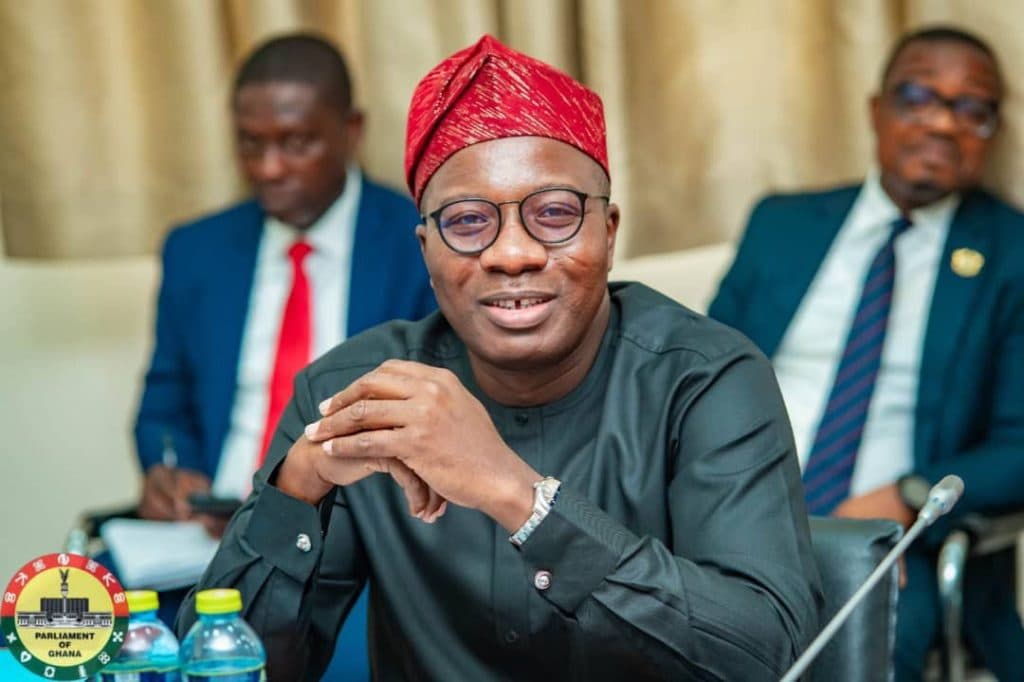
Majority Leader Mahama Ayariga criticized recent protests over the reduction of cocoa producer prices, labeling them politically driven.
Protests erupted in parts of the Western North Region, where farmers marched against the price cut from GH¢3,625 to GH¢2,587 per bag, citing rising input and labor costs as a threat to their livelihoods.
While demonstrators accused the government of economic hardship and deception, Ayariga dismissed the protests as not representative of the genuine concerns of cocoa farmers.
He argued that true cocoa farmers understand the realities of the global market and the financial constraints of Ghana Cocoa Board, which is burdened by debts inherited from the previous administration.
Ayiriga emphasized that although the price reduction is difficult, the government’s decision is grounded in the economic realities of the global cocoa market.
He stated that while the price cut may be unpopular, it reflects the unavoidable consequences of the cocoa crisis, with Ghana grappling with the economic pressures of fluctuating global prices and significant debt.
The Majority Leader further explained that farmers, despite their grievances, recognize the government’s efforts in addressing the crisis, adding that they appreciate the government’s proposed solutions to mitigate the challenges.
In defense of the government, Ayariga pointed out that promises of higher prices cannot be fulfilled when the resources are simply not available, stressing that cocoa politics should not be used to manipulate the situation for political gain.
He assured Parliament that the demonstration’s true motivation was more about political expediency than actual farmer concerns. While the protests have attracted significant attention, Ayariga maintained that cocoa farmers are not misled by political rhetoric and understand the deeper issues affecting the industry.



