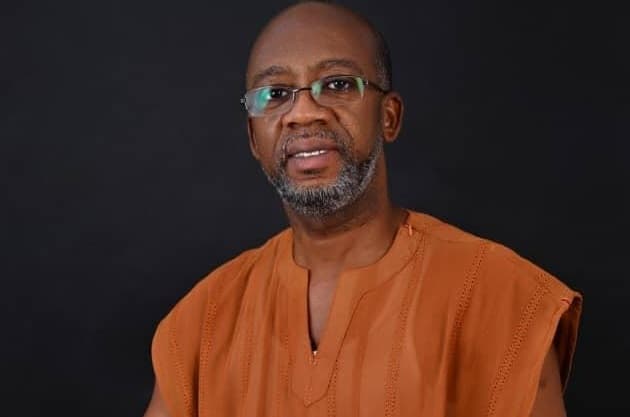
Coordinator of the Black Star Experience, Rex Omar, says a key focus of the initiative is to turn Ghana’s cultural assets into jobs while protecting them from foreign exploitation.
Speaking on Good Afternoon Ghana on Metro TV, Rex Omar revealed that efforts are underway behind the scenes to ensure local products such as kente and traditional textiles generate income for Ghanaians.
“We are going to do something to make sure that this kente thing… can become a job creator for the rural areas,” he said.
According to him, the plan includes building structured systems around production, branding and export, particularly in communities where these crafts originate.
“Can we imagine that we have a kente centre or kente village… we get a lot of young people to get into this business, help them in exporting,” he noted.
He added that similar strategies could be extended to other traditional fabrics like fugu, stressing that the goal is to scale local industries while maintaining authenticity.
Rex Omar also raised concerns about Ghana losing value from its own cultural identity due to weak protection systems, citing the use of Ghana’s name in foreign markets.
“You go to Japan, there is something that they call Ghana chocolate… Japanese companies using our name… whilst we don’t get anything out of it as a country,” he said.
He warned that without proper branding and legal protections, other cultural products such as local foods could face the same challenge.
“We need to make sure that it doesn’t happen to our waakye, it doesn’t happen to our kelewele,” he added.
The Black Star Experience, he explained, is working with relevant institutions to introduce traceability and ownership systems that ensure Ghana benefits from its cultural exports.
“We make sure that anybody that uses kente anywhere in the world… will have something to do and bring something back to Ghana,” he said.
He further highlighted the role of the African Continental Free Trade Area in expanding market access for Ghanaian products, noting that structured exports could significantly boost local industries.
Ultimately, Rex Omar said the initiative is about turning culture into a viable economic sector that creates employment and retains value within the country.
“This is how we take advantage of who we are and package it,” he said.