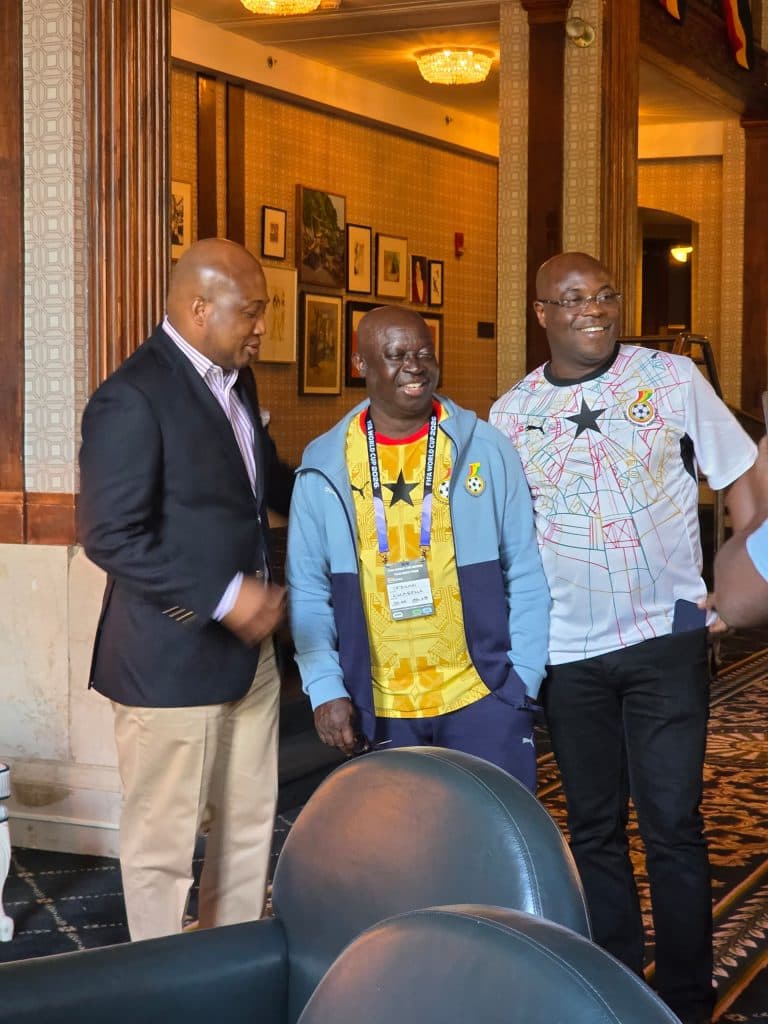
A high-profile visit to the Black Stars’ World Cup 2026 training camp has drawn attention not only to Ghana’s football ambitions but also to the growing convergence of state leadership, diplomacy, and private sector influence behind the national team’s international campaign.
The delegation, led by Foreign Affairs Minister Samuel Okudzeto Ablakwa and Sports Minister Kofi Adams, alongside Ghana’s Ambassador to the United States Victor Emmanuel Smith and businessman Ibrahim Mahama, engaged the national team in a breakfast meeting that blended sporting encouragement with broader national messaging.
Rather than focusing solely on football morale, the visit underscored Ghana’s strategic use of the tournament as a platform for international visibility, diaspora engagement, and national branding in the United States, one of the key global audiences for the World Cup.
Officials from the Ghana Football Association (Ghana Football Association) used the opportunity to brief the delegation on institutional progress, including youth development structures, women’s football expansion, and ongoing reforms aimed at strengthening the country’s football ecosystem beyond the tournament.
In remarks to the players of the Ghana Black Stars, Sports Minister Kofi Adams framed the team’s participation as a unifying national project with symbolic weight far beyond the pitch, emphasizing the diaspora’s emotional investment in the squad’s performance.
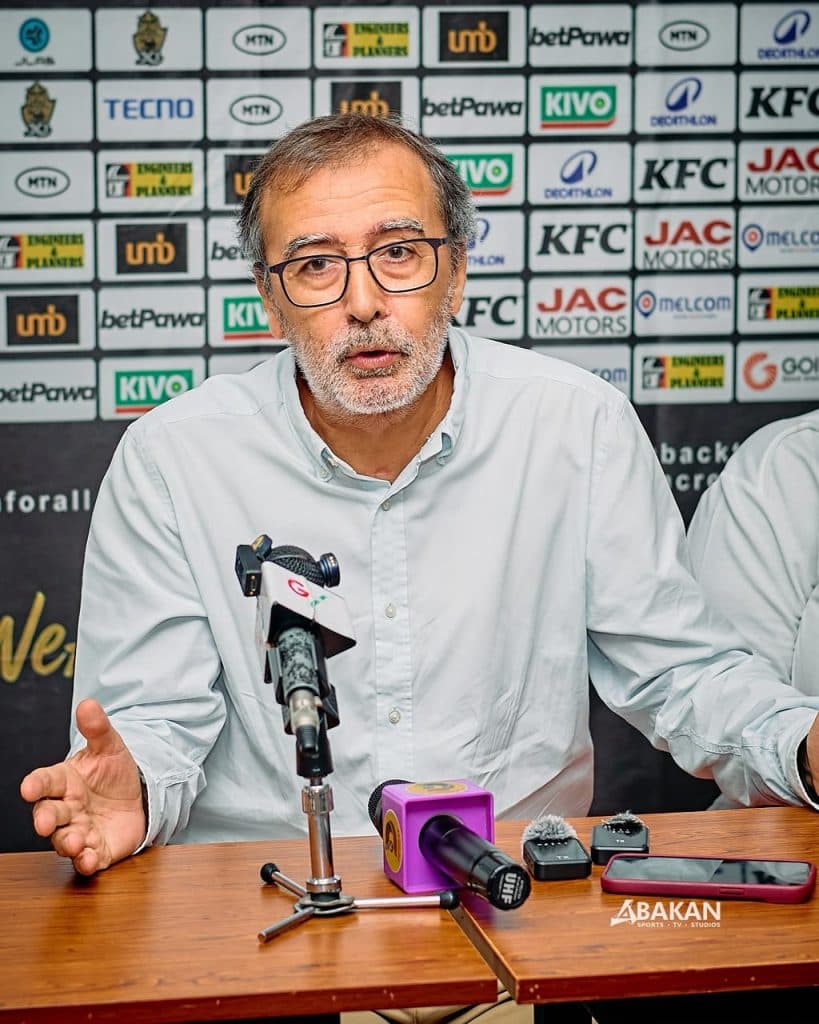
Coach Carlos Queiroz, speaking on behalf of the technical team, acknowledged the psychological and institutional support, describing it as part of a broader ecosystem that includes government, administration, and private sponsorship backing.
A notable dimension of the engagement came from Ibrahim Mahama’s remarks on performance-linked incentives, reflecting the increasing role of private capital in Ghanaian sports development. His comments also highlighted how business involvement is becoming more directly tied to performance outcomes and national pride narratives.
Beyond immediate match preparations, the visit illustrated how Ghana’s World Cup presence is being leveraged as a diplomatic and soft power instrument, bringing together government, business, and sports leadership in a shared public-facing moment aimed at strengthening national cohesion and international perception.