
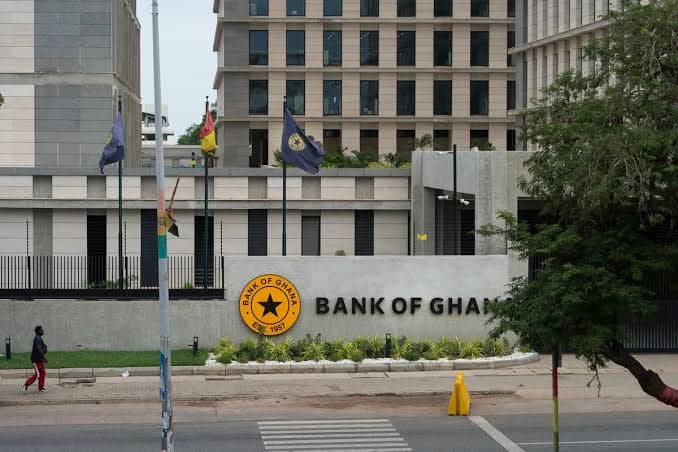
The Bank of Ghana (BoG) has announced the conversion of all rural banks in the country into community banks as part of reforms under the revised microfinance sector framework.
In a press release issued on June 17, 2026, the central bank said the move is in line with the Guideline on the Revised Microfinance Sector Framework, 2026 and marks a significant step in strengthening community-level financial services across the country.
According to the BoG, all existing rural banks have now officially become community banks and are required to complete statutory name changes, corporate rebranding and other regulatory adjustments by December 31, 2026.
The central bank described the conversion as “a strategic milestone under the ongoing microfinance sector reform” aimed at ushering in “a new phase of community-level financial intermediation.”
The announcement coincides with the 50th anniversary of rural banking in Ghana, which was established in 1976 through a partnership between the government and the Bank of Ghana to expand access to financial services in rural communities.
The BoG noted that the rural banking subsector has played a vital role in Ghana’s financial inclusion agenda over the past five decades.
“It currently comprises 147 licensed institutions, with about 1,000 branch networks nationwide, and serving over eight million customers,” the statement said.
The central bank attributed the sector’s growth and impact to “sustained policy support, a development-oriented regulatory approach, and a unique synergy derived from shared community ownership and customer base.”
The Bank of Ghana explained that the conversion is intended to reposition the sector to better meet the evolving financial needs of communities across the country.
“Through this conversion, the Bank of Ghana is repositioning the Community Banking sector as a modern banking segment to deepen inclusive finance in both rural and urban communities and integrate them into the national financial architecture,” the statement added.
The BoG expressed confidence that the transformation will strengthen financial inclusion efforts and support broader economic development at the community level.



