
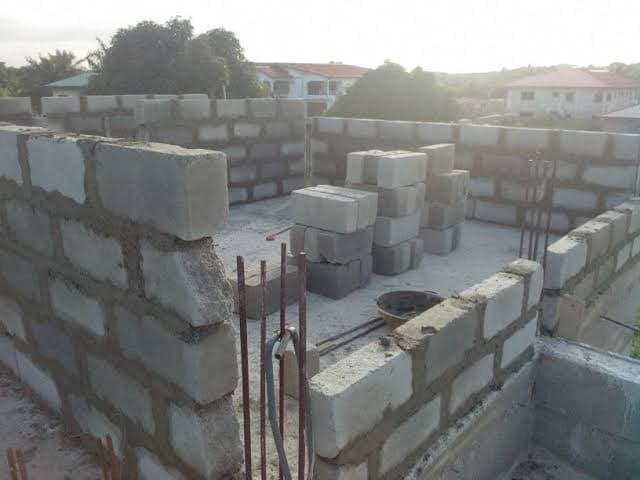
Building cost inflation in Ghana continued its downward trend in February 2026, with the rate easing to 2.4%, according to the latest data from the Ghana Statistical Service (GSS).
The figure represents a decline from the 3.9% recorded in January 2026 and marks “the 10th consecutive drop in YoY inflation,” the report noted.
Data from the Prime Building Cost Index (PBCI) showed that the index rose to 133.0 in February 2026 from 129.8 in February 2025, indicating that “on the average, the price of building materials increased by 2.4% between Feb 2025 and Feb 2026.”
On a month-on-month basis, prices recorded a marginal increase, with GSS stating that “the general price level of building materials increased by 0.4% between Jan and Feb 2026.”
The report highlighted broad-based declines across major cost components in the construction sector.
Year-on-year materials inflation dropped to 2.4% from 3.5% in January, while labour inflation also fell sharply to 2.4% from 5.4% over the same period.
Similarly, plant-related inflation eased to 2.6% from 4.2% in January, reflecting a general slowdown in cost pressures across the sector.
Despite the easing trend, GSS noted that prices are still rising modestly on a monthly basis, with materials increasing by 0.5% and labour by 0.1% between January and February.
At the sub-group level, certain components continued to exert upward pressure on prices.
“Toilet Accessories recorded the highest inflation of 10.8% while Cement recorded the lowest inflation of -7.1%,” the report revealed.
Other significant contributors to inflation included electrical works, tiles, and glazing, which together accounted for a large share of overall cost increases in the building sector.
GSS says the sustained decline in building inflation presents an opportunity for both households and businesses.
“With material prices stabilizing, it may be a good time to start or resume your building project,” the report advised households, adding that projects can be phased “to benefit from the reducing cost pressures.”
For businesses, the Service recommended securing current prices, urging firms to “lock in today’s prices and secure medium-term contracts while inflation is low, before any potential rebound.”
Government was also encouraged to take advantage of the trend by accelerating infrastructure spending, particularly targeting key cost drivers in the sector.
The Prime Building Cost Index tracks changes in the cost of construction using data from 406 items across 16 regions, providing critical insights for investors, developers, and policymakers.



