
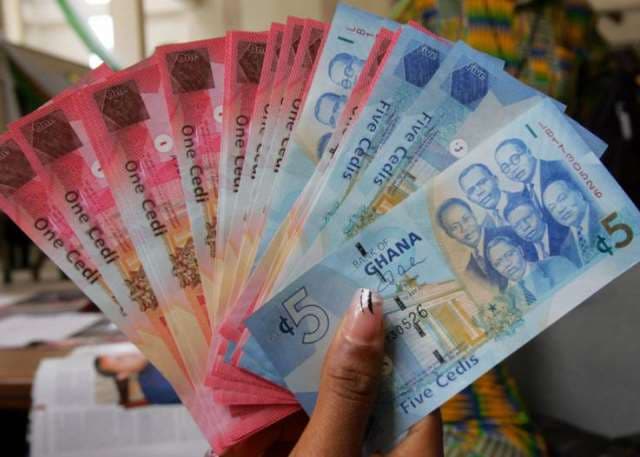
Databank Research has projected that the Ghana cedi will experience a moderate decline in value in 2026, with an expected depreciation of about 7.2 per cent against the US dollar by the end of the year.
In its 2026 Economic Outlook, the firm said the local currency is likely to trade at around GH¢12.85 to the dollar, provided there are no major economic disruptions.
The forecast is based on rising foreign exchange demand from bulk importers, energy-related payments and Eurobond obligations.
Databank explained that the projection is anchored on conservative estimates of monthly inflows of about GH¢750 million from GOLDBOD, supported by reforms in the small-scale mining sector.
According to the report, sustained gold-backed inflows will enhance the central bank’s ability to manage market expectations and reduce volatility in the foreign exchange market.
Beyond domestic conditions, the outlook is also supported by positive external sentiment, driven by continued programme support from the International Monetary Fund and the World Bank.
The report further highlighted changing trends in global reserve management, with some central banks gradually reducing their dependence on the US dollar while increasing their gold holdings. China was identified as leading this shift amid uncertainty over US policy direction.
Databank Research also pointed to ongoing discussions on reclassifying gold from a Tier 1 asset to High-Quality Liquid Asset status, which would make it eligible as collateral for repo financing.
It noted that although such a move could signal a major structural shift in the global financial system, deliberations within the BRICS remain cautious due to concerns over volatility, custody and trust.
The firm said strengthening gold’s status could boost its role in the global monetary system, weaken dollar dominance and provide indirect support for the cedi through improved reserve accumulation.
Excluding this low-probability development, Databank maintained a neutral-to-positive outlook for the local currency, citing tighter foreign exchange regulations and strong reserve buffers.
It added that existing reserves are considered sufficient to absorb moderate demand pressures and support currency stability in Ghana.



