When world leaders agreed on the Sustainable Development Goals (SDGs) in 2015, the ambition was clear: by 2030, countries should make measurable progress in improving the lives of their people.
With less than four years left to that deadline, Ghana is taking another look at its own journey, what has changed, what remains difficult, and what needs to happen faster.
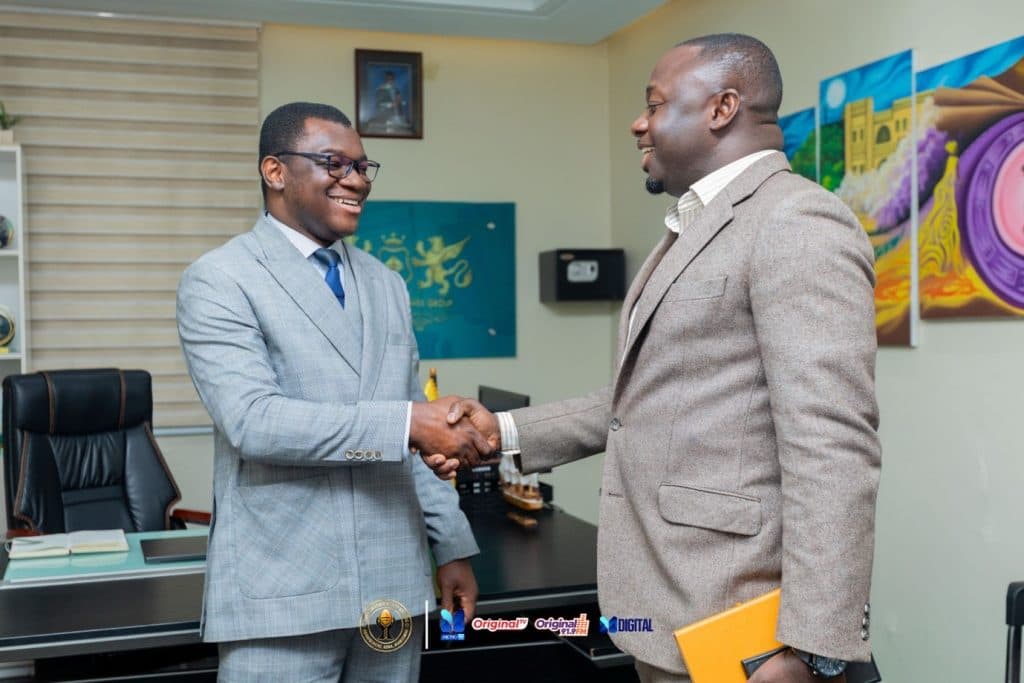
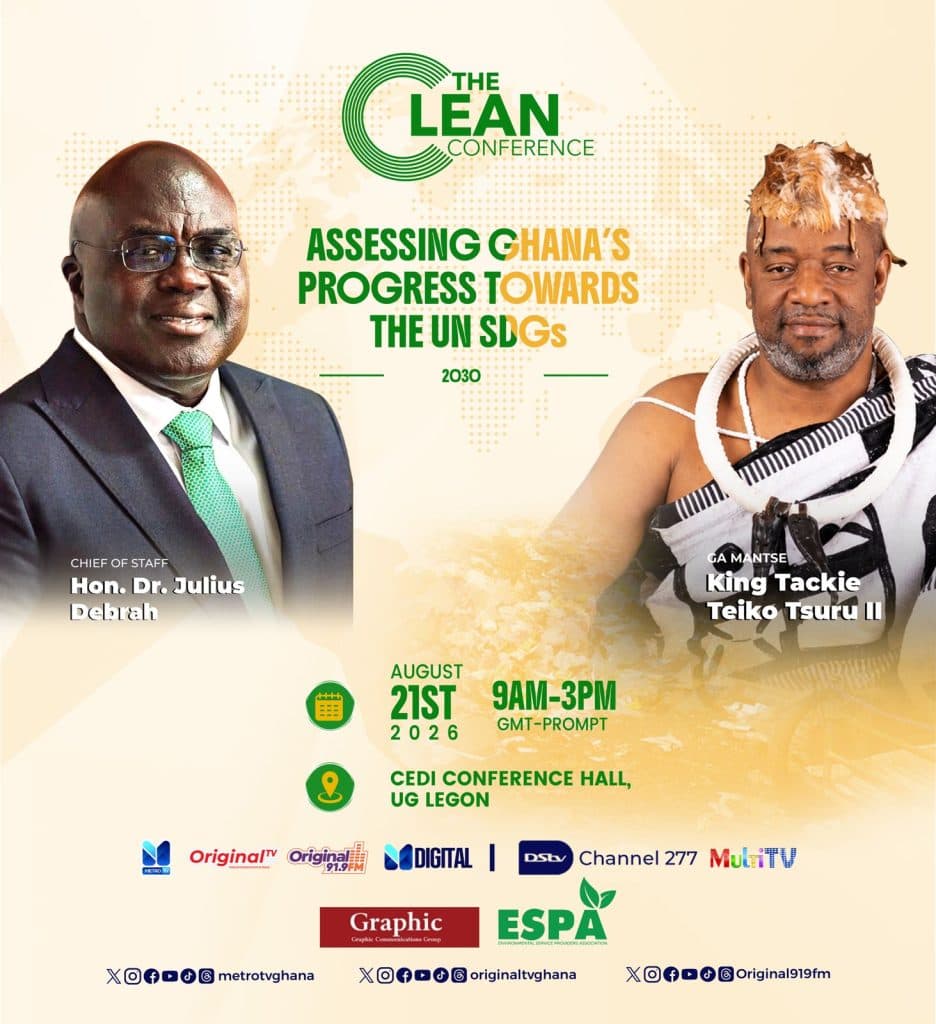
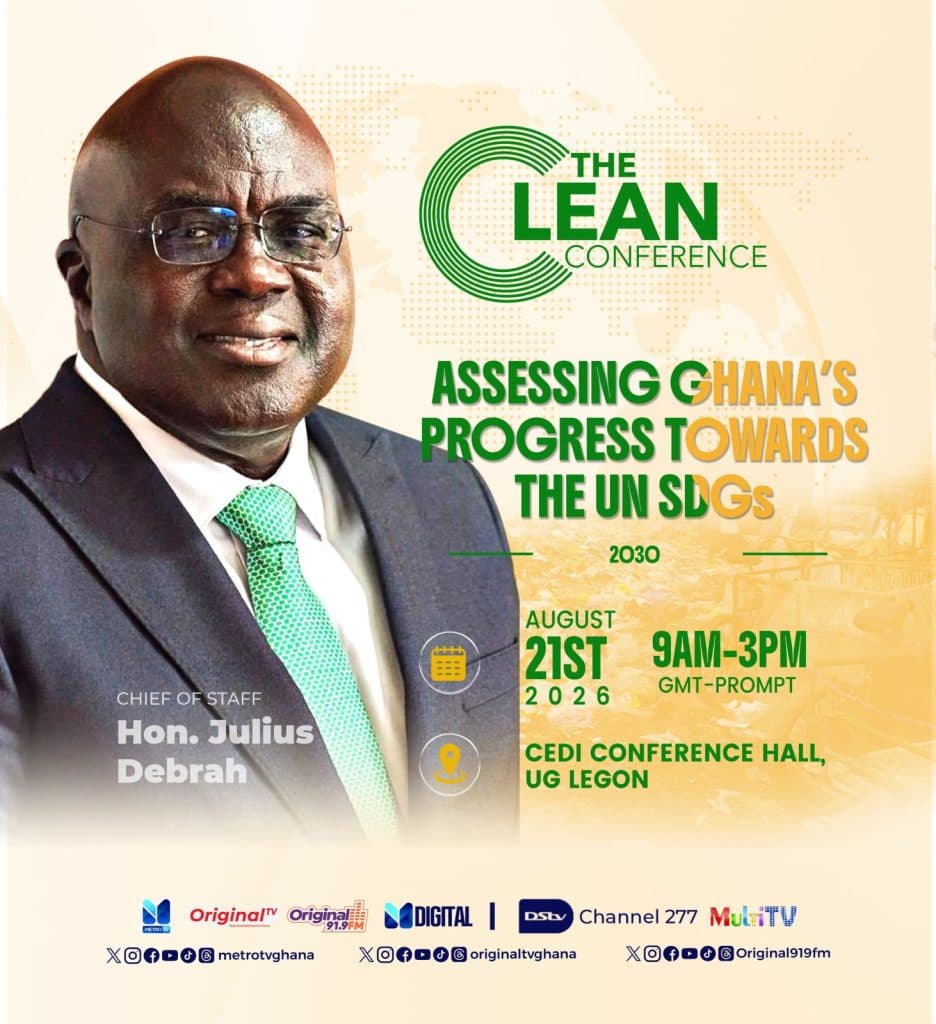
That conversation will take place at the Clean Conference 2026 organized by the Ignite Media Group, parent company of Metro TV, Original TV and Original 91.9 FM.
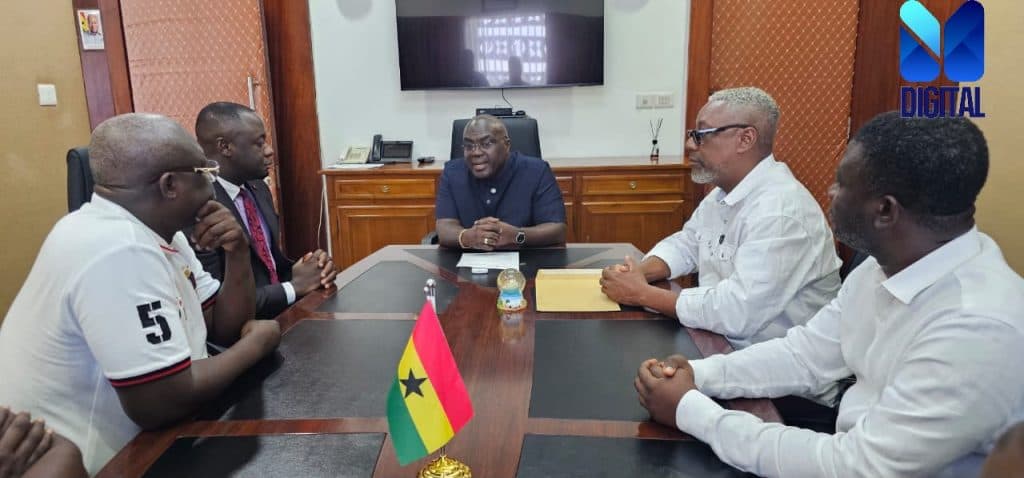
Scheduled for August 21 at the Cedi Conference Hall of the University of Ghana, Legon, the conference, which is being held under the theme “Assessing Ghana’s Progress Towards the UN Sustainable Development Goals,” will be led by Chief of Staff Julius Debrah and will bring together policymakers, development experts, academics, business leaders and other stakeholders.
The focus will be on a simple but important question: How much progress has Ghana made towards achieving the targets it committed to a decade ago?
The SDGs cover issues that affect people in their daily lives, from access to quality education and healthcare to jobs, clean water, environmental protection and economic opportunities.
Ghana has recorded progress in some of these areas. More people have access to electricity than before, digital services have changed how citizens interact with institutions, and education and health interventions have expanded opportunities for many.
But the challenges are still visible.
For many young Ghanaians, finding a decent job remains a major concern. Communities continue to face the effects of flooding and environmental damage, while illegal mining has raised concerns about the future of the country’s water bodies and forests.
These challenges have made the conversation around sustainable development more urgent.
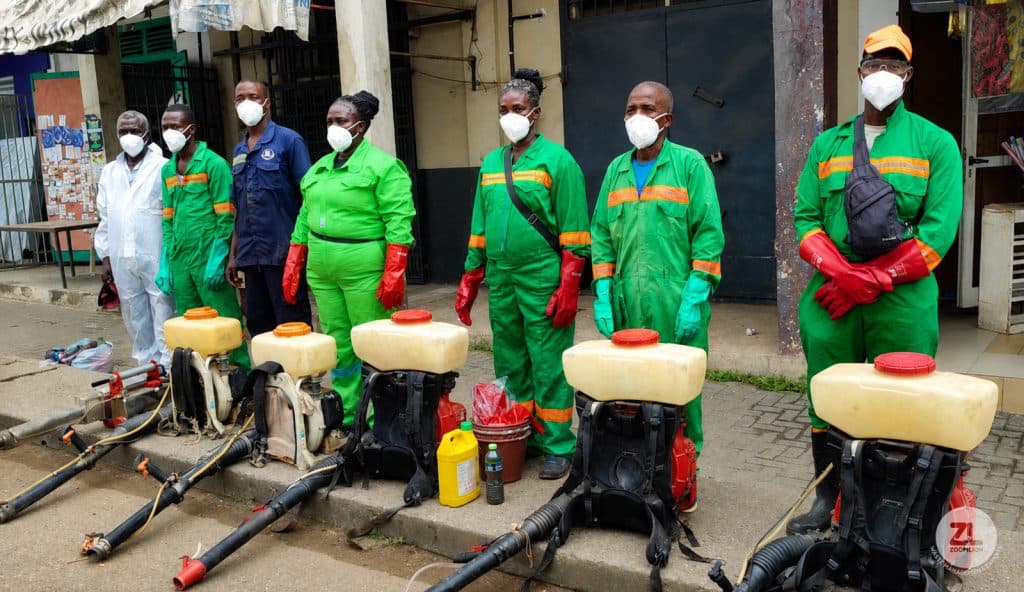
The Clean Conference will provide a platform for stakeholders to reflect on Ghana’s progress and discuss the choices that must be made before 2030. The discussions will touch on areas such as sanitation, economic growth, climate change, technology, education and how the country can mobilise resources for development.
The Clean Conference comes at a critical time where across the world countries are facing difficulties in meeting the SDG targets due to economic pressures, climate-related challenges and other global disruptions. The United Nations has warned that progress towards many of the goals is slower than expected.
The remaining years before 2030 presents an opportunity for Ghana to build on existing gains while addressing areas where progress has been slower.
The Clean Conference will therefore serve as a space to examine the country’s current position and consider what more can be done to move the SDG agenda forward.