The Clean Conference 2026 has generated significant attention in Ghana’s media, with newspapers across the country highlighting renewed calls for collective action to address the nation’s sanitation challenges.
Held last Friday at the Cedi Conference Hall of the University of Ghana, Legon, the conference brought together policymakers, development experts, academics, business leaders and other stakeholders to examine Ghana’s progress towards the Sustainable Development Goals and discuss practical steps towards building a cleaner and more sustainable country. The event was organised by Ignite Media Group, owners of Metro TV, Original TV and Original 91.9 FM.
At the centre of the discussions was the need for Ghana to move beyond periodic clean-up exercises and develop a sustained culture of environmental cleanliness.
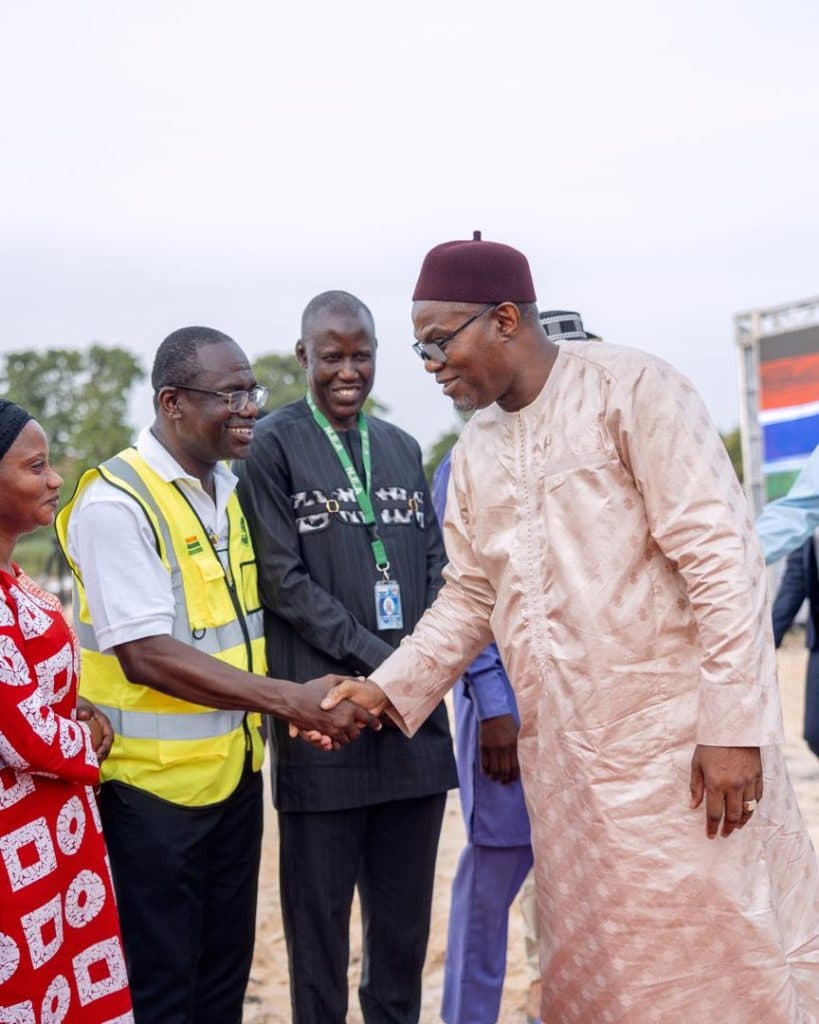
Chief of Staff Julius Debrah urged Ghanaians, institutions, businesses and government agencies to take collective responsibility for the country’s sanitation situation. He stressed that government action alone would not be enough to resolve the sanitation crisis.
Recent reporting on the conference captured the same message, with Debrah calling for cleanliness to become part of everyday life rather than an activity associated only with periodic sanitation campaigns.
The Publisher: Sanitation crisis requires an attitude change
The Publisher Newspaper placed the sanitation crisis and the need for behavioural change at the heart of its coverage.
Under the headline “Sanitation crisis: Chief of Staff Julius Debrah calls for attitude change,” the newspaper focused on the role of individual behaviour in confronting Ghana’s persistent sanitation problems.
The emphasis reflects a central argument emerging from the conference: infrastructure, policies and enforcement are important, but sustainable improvements in sanitation also depend on how citizens treat their surroundings.
Daily Graphic: A collective fight
The Daily Graphic framed the conference around teamwork and shared responsibility.
Its headline, “Let’s win sanitation fight together, Chief of Staff urges collective team effort,” highlighted Julius Debrah’s appeal for Ghanaians to work together to tackle the sanitation challenge.
The newspaper’s framing reinforces the idea that sanitation is not solely the responsibility of central government or local authorities. Citizens, businesses, traditional leaders, institutions and metropolitan, municipal and district assemblies all have roles to play.
The Custodian: Leadership and a clean environment
The Custodian newspaper reported the event under the headline “Chief of Staff, others call for clean environment.”
Its coverage brought attention to the broader environmental dimension of the discussions.
The Clean Conference was not limited to waste management. The wider agenda included sanitation, climate change, environmental protection, sustainable development and Ghana’s progress towards the 2030 Sustainable Development Goals.
The conference therefore provided a platform for stakeholders to connect the sanitation challenge with the country’s broader development ambitions.
The New Crusading Guide: Renewed national action
The New Crusading Guide highlighted the need for stronger national commitment with the headline “Clean Conference 2026: Leaders renew call for National Sanitation action.”
The newspaper’s framing captures one of the strongest themes from the conference: the need to translate discussions and commitments into visible action in communities across Ghana.
With issues such as littering, blocked drains, waste management and environmental degradation continuing to affect communities, stakeholders at the conference stressed the importance of coordinated and sustained interventions.
One conference, different newspaper angles
Although the newspapers used different headlines, their coverage converged around a common message: Ghana’s sanitation challenge requires more than occasional clean-up campaigns.
The Publisher emphasised attitude change. The Daily Graphic highlighted collective effort. The Custodian focused on the call for a clean environment, while The New Crusading Guide drew attention to renewed national sanitation action.
The significance of the Clean Conference will ultimately be measured not only by the discussions held at the Cedi Conference Hall, but by what happens after the conference.
The challenge now is to convert calls for behavioural change, collective responsibility and stronger national action into practical measures that produce cleaner communities.
Julius Debrah has argued that Ghana needs to move beyond treating cleanliness as an occasional exercise and make it part of everyday behaviour.