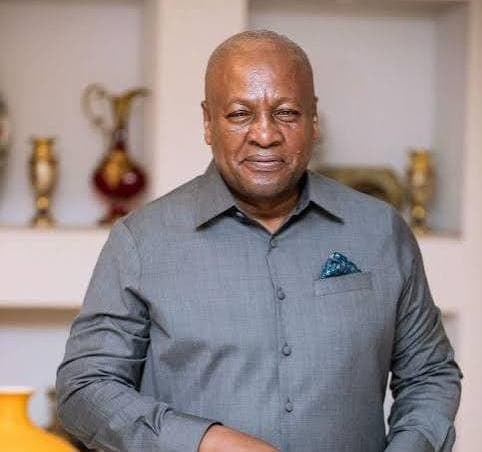
Climate change is no longer a distant environmental concern, it is a direct and escalating threat to human health and economic stability. That was the message from John Dramani Mahama at a global summit in Lyon.
Mahama painted a vivid picture of a world under strain: rising seas, shrinking glaciers, disappearing forests, and intensifying desert storms—all contributing to a surge in health emergencies.
“These crises are not separate,” he explained. “They are interconnected and reinforcing each other.”
In Ghana, the effects are already being felt. Illegal gold mining has polluted water sources, while pests and disease outbreaks threaten cocoa farms, a critical source of income for millions.
Such environmental pressures, Mahama warned, are increasing the frequency and severity of disease outbreaks while also destabilizing food systems.
He pointed to the growing burden of non-communicable diseases, which now account for a significant share of deaths in Ghana, as evidence of shifting health challenges compounded by environmental stress.
To address these risks, Mahama advocated for a shift toward prevention, arguing that proactive health systems are far more cost-effective than reactive responses to crises like COVID-19.
Central to this approach is the One Health model, which integrates environmental protection with public health strategies.
He also called for stronger global action against plastic pollution and greater investment in sustainable systems.
Ultimately, Mahama linked health directly to development, warning that no country can achieve long-term economic stability without resilient ecosystems and strong public health systems.
“The future of development,” he said, “depends on the health of our planet and our people.”
By: Shadrack Odame Agyare | Metrotvonline.com | Ghana