
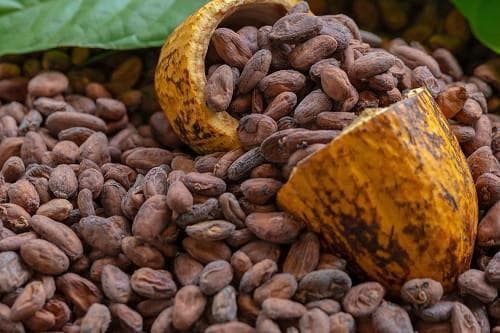
Cocoa beans spread out under the blazing sun in the town square of Aboisso tell a troubling story — one of loss, uncertainty, and a deepening crisis in the world’s leading cocoa producer, Ivory Coast. After months of sitting in damp warehouses, farmers are now forced to dry their produce in a desperate attempt to salvage what remains.
In Ivory Coast, cocoa prices paid to farmers are fixed by the state. In October, just before the presidential election that returned Alassane Ouattara to power, the government set a record-high farmgate price of 2,800 CFA francs (about $5) per kilogram — a move widely seen as a boost for growers.
However, the global cocoa market soon shifted. After reaching peak levels in late 2024, prices began to fall by mid-2025 due to improved harvests and increased supply worldwide. The previously high state-set price quickly became unsustainable, slowing exports and causing a massive buildup of unsold cocoa stocks in cooperative warehouses.
As the situation worsened, the government slashed the purchase price in early March to 1,200 CFA francs per kilogram — less than half the previous rate — in a bid to stabilize the sector, which contributes about 14% of the country’s GDP and supports millions of livelihoods.
But the decision has left farmers and cooperatives reeling.
In Aboisso, cocoa beans continue to deteriorate under humid tropical conditions. Cooperative leaders say they are battling time to preserve quality. “We occasionally expose them to the sun to limit damage, otherwise mold sets in and we lose everything,” said Dongo Yao Kra, head of a local cooperative working with over 2,000 farmers.
The situation is further complicated by earlier agreements. Much of the stored cocoa was purchased at the old price, forcing cooperatives to honor payments they can no longer afford. For some, the financial burden runs into hundreds of millions of CFA francs.
Frustration is growing among farmers. At a recent meeting in Songan village, tensions boiled over as growers criticized the timing of the price cut. One farmer likened it to “changing the rules in the middle of a football match.” Many are still waiting to be paid for cocoa already delivered, while laborers on farms also remain unpaid.
Although authorities previously promised to buy excess stock through the Coffee-Cocoa Council, only a fraction has been cleared, leaving thousands of tonnes still sitting in warehouses.
“This country is built on agriculture — we deserve to be respected,” one farmer said, echoing the sentiments of many who feel abandoned.
With tens of thousands of tonnes still unsold nationwide, industry leaders are urging urgent intervention to restore confidence and prevent further unrest.
For now, as cocoa beans continue to dry under the open sky, Ivory Coast’s cocoa farmers remain caught between falling prices, rising losses, and an uncertain future.



