
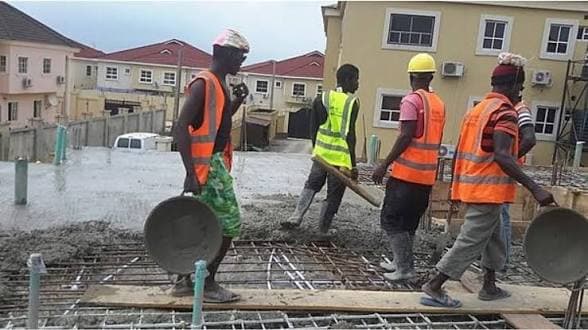
Labour costs in Ghana’s construction sector fell in May 2026 even as the overall cost of building continued to increase,
The latest Prime Building Cost Index (PBCI) report published by the Ghana Statistical Service (GSS) showed that the Labour group recorded a year-on-year inflation rate of -2.0%, making it the only major construction cost component to register a decline during the period.
“At the group level, the Labour group inflation rate recorded a year-on-year inflation rate of -2.0 percent in May 2026,” the GSS said.
The development comes at a time when the overall Prime Building Cost Index recorded a 2.7% year-on-year inflation rate, indicating that building projects remained more expensive than they were a year ago.
While labour costs declined, the GSS reported that the Material group recorded inflation of 3.5%, while the Plant group posted the highest increase among the major categories at 9.8%.
The figures suggest that rising costs of equipment and construction materials are continuing to drive building expenses, despite easing labour-related costs.
The Statistical Service noted that the Prime Building Cost Index tracks changes in the prices of key construction inputs, including materials, labour and equipment, and is widely used by investors, contractors, developers and policymakers to monitor cost trends in the building industry.
The latest data may offer some relief to contractors facing rising equipment and material costs. However, the decline in labour costs could also raise questions about wage growth and demand for construction workers across the sector.
Overall, the building sector recorded a year-on-year inflation rate of 2.7% in May 2026, with a monthly increase of 1.4% compared to April 2026.



