
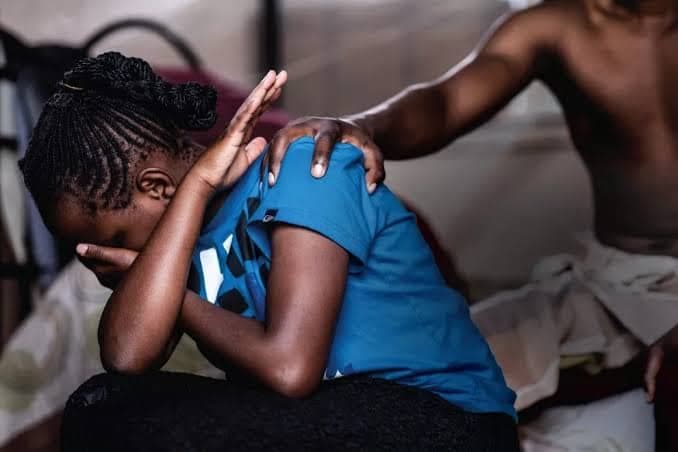
Child Rights International (CRI) has raised concerns over persistent reports of sexual abuse involving children in Ghana’s basic and senior high schools, calling for urgent reforms to strengthen child protection, institutional accountability and the handling of abuse allegations.
The organisation says a troubling pattern has emerged in which complaints are reportedly raised but meaningful action appears to follow only after cases attract widespread public attention through viral videos or media investigations.
In a statement, CRI condemned what it described as an inadequate response to child sexual abuse in educational institutions and called for a system that takes every complaint seriously and ensures that allegations are handled promptly through appropriate accountability and justice mechanisms.
The organisation warned that children’s safety and access to justice must not depend on public outrage or media exposure.
According to CRI, the recurring reports of sexual abuse raise serious questions about the effectiveness of existing reporting systems and the ability of educational institutions to protect children.
The organisation argues that schools must provide more than academic instruction. They must also guarantee environments in which children can learn without fear and have their rights, dignity, privacy and well-being respected.
CRI is calling for sustained action to ensure that every child who reports abuse receives appropriate support and that allegations are investigated by the relevant authorities.
It also stressed the need for accountability where institutional failures or misconduct are identified.
CRI’s concerns come amid substantial government investment in Ghana’s education sector.
The organisation analysed education budget allocations between 2022 and 2025, drawing on data attributed to Eduwatch in 2025. According to CRI, the allocations reflect significant public investment in education, with 2025 recording the highest allocation to the basic and secondary education cycles, as presented in its analysis.
However, the organisation maintains that increased education spending must translate into tangible benefits for children, including effective safeguarding systems and safer learning environments.
CRI argued that education investment cannot be considered fully successful if schools fail to adequately protect learners from abuse and other threats to their welfare.
The organisation said education policy must go beyond infrastructure, teaching and learning materials to include child protection, professional support services and effective complaint-handling procedures.
In its statement, CRI expressed a strong lack of confidence in the Ghana Education Service’s current capacity to safeguard children effectively.
The organisation argued that existing arrangements require fundamental reform to ensure that child protection concerns are handled independently, professionally and with the urgency they deserve.
Its recommendations place particular emphasis on independent oversight, the involvement of social welfare professionals and clear procedures for referring suspected criminal offences to the appropriate authorities.
CRI concluded that protecting children must be a consistent institutional responsibility, not an action taken only when an allegation attracts widespread attention.
The organisation called for a renewed national commitment to safeguarding children in all educational institutions, stressing that the success of Ghana’s education system should be measured not only by its ability to educate learners but also by how effectively it protects them.