
The Energy Commission has begun consultations with architects as it works to introduce new energy-efficient building guidelines into Ghana’s building permitting process, with the aim of making future developments more sustainable and practical for the construction industry.
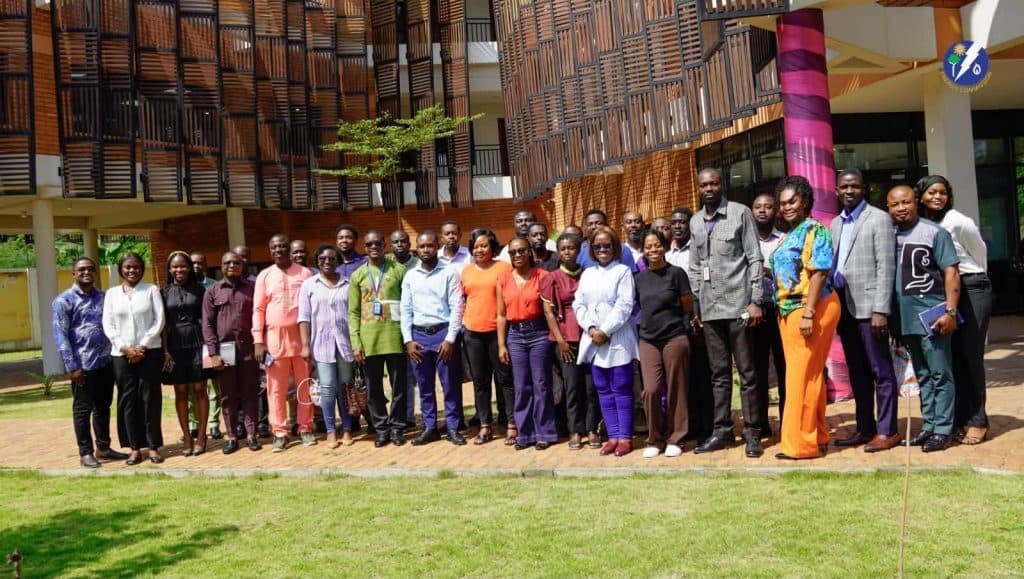
The Commission held a stakeholder engagement with the Ghana Institute of Architects (GIA), where technical experts from its Energy Efficiency Unit presented the proposed Building Energy Efficiency Guidelines, developed in line with Ghana Standards.
According to the Commission, the guidelines are designed to support Ghana’s commitments under the Paris Agreement and the United Nations Sustainable Development Goals, particularly SDG 7 on affordable and clean energy and SDG 13 on climate action.
The proposed framework offers three compliance options to suit different building categories. These include a prescriptive approach, a performance-based pathway and certification, allowing flexibility while ensuring buildings meet energy efficiency standards.
During the discussions, architects sought clarification on implementation timelines, compliance requirements and how the guidelines would be applied in practice. Officials from the Commission responded to the concerns and explained the proposed framework.
The Commission said the meeting marks the first in a series of consultations with stakeholders across Ghana’s built environment sector. Feedback from these engagements will be used to refine the guidelines before they are rolled out.
It said the objective is to develop a framework that is practical, commercially viable and aligned with the realities of the construction industry.
Participants also visited the Nearly Zero Energy Building (NZEB), where they saw first-hand how energy-efficient technologies and renewable energy systems can be incorporated into modern building design.