The Environmental Protection Authority (EPA) has launched a pilot project using copper-based nano liquid technology to clean up the heavily polluted Birim River, marking a new phase in Ghana’s fight against water pollution.
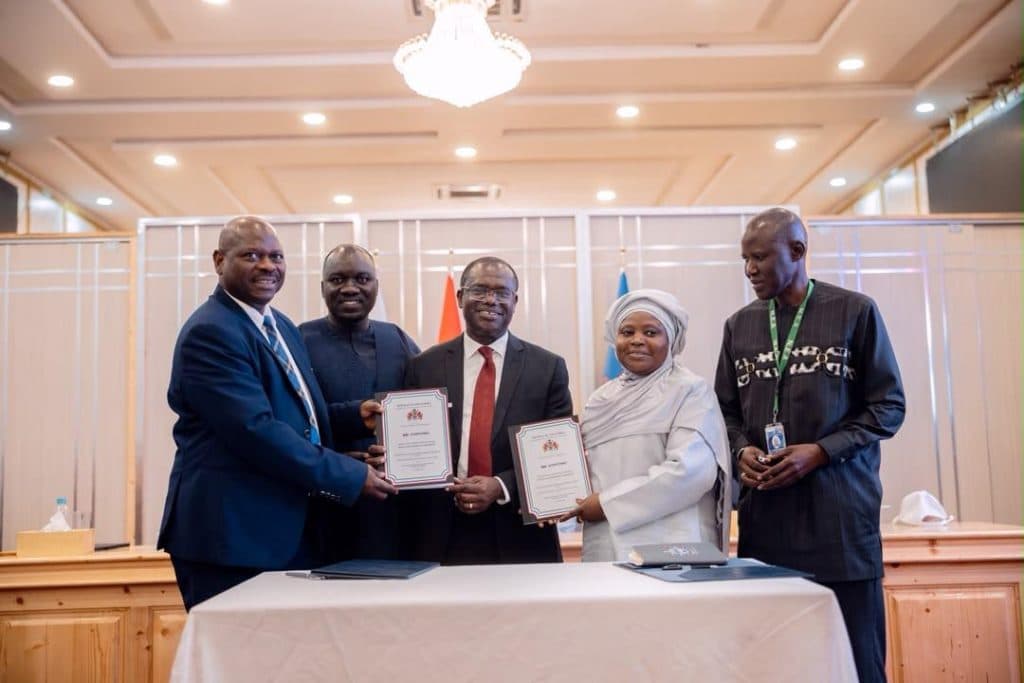
The initiative, led by the EPA’s Chief Executive Officer, introduces a scientific approach aimed at breaking down contaminants and restoring water quality in one of the country’s most affected rivers.
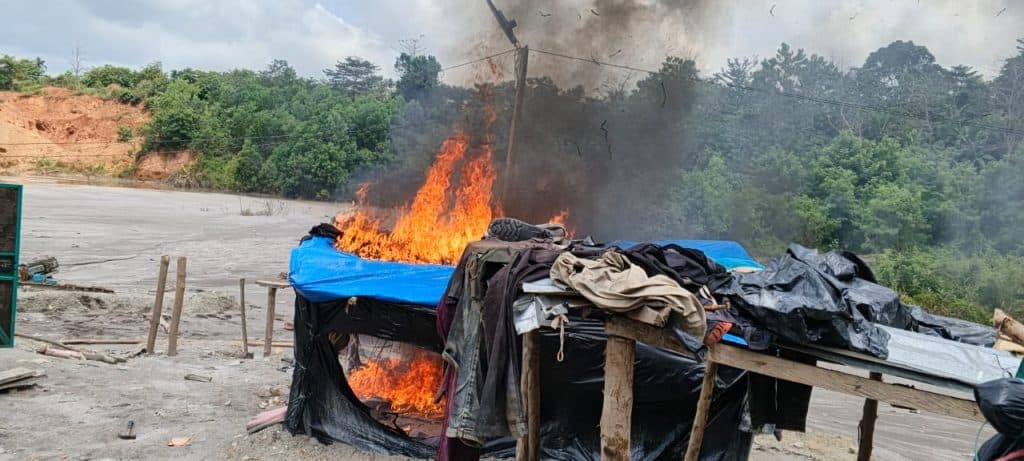
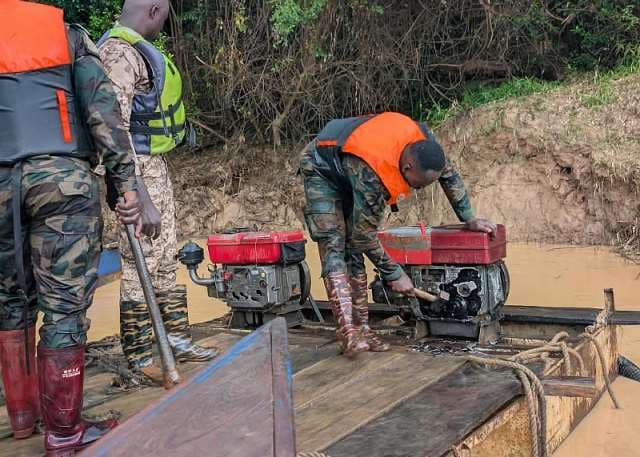
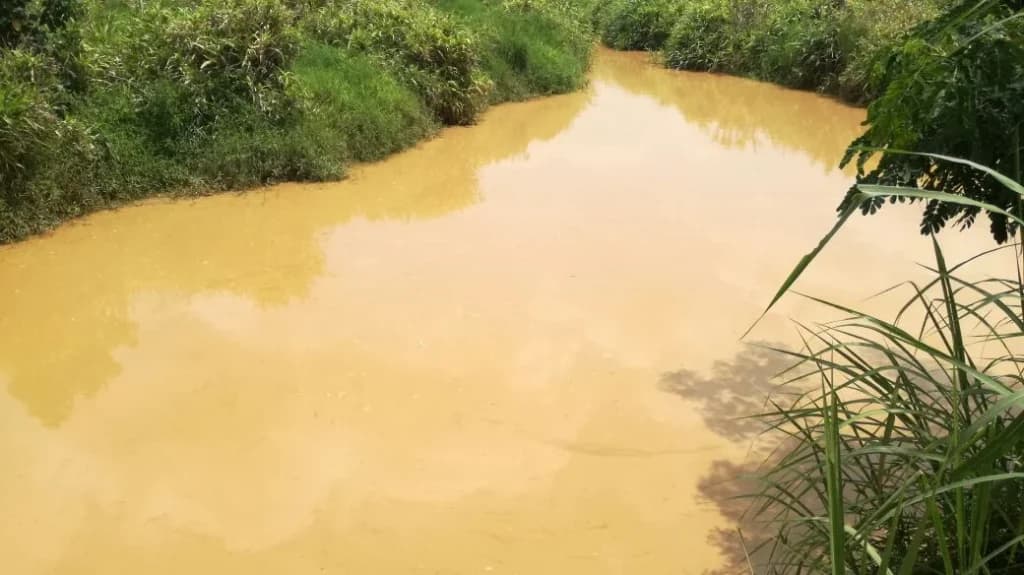
The Birim River, which supports communities and ecosystems along its banks, has suffered years of pollution linked largely to illegal mining and other human activities.
According to the Authority, the copper-based nano liquid technology is designed to target pollutants at a microscopic level, offering a potentially faster and more effective clean-up method than conventional techniques. While still at the pilot stage, officials say the early signs are encouraging.
The project reflects a broader shift within the EPA toward adopting innovative solutions to address longstanding environmental challenges. By testing advanced remediation tools, the Authority hopes to develop scalable models that can be replicated in other polluted water bodies across the country.
For communities that depend on the Birim River for farming, fishing and domestic use, the restoration effort carries significant public health and economic implications. Cleaner water could help reduce exposure to harmful substances while supporting livelihoods that have been disrupted by pollution.
Environmental observers say the move signals a willingness by regulators to explore new technology in the face of persistent ecological damage. If successful, the Birim River pilot could set the tone for future interventions aimed at safeguarding Ghana’s rivers and strengthening environmental protection efforts nationwide.