
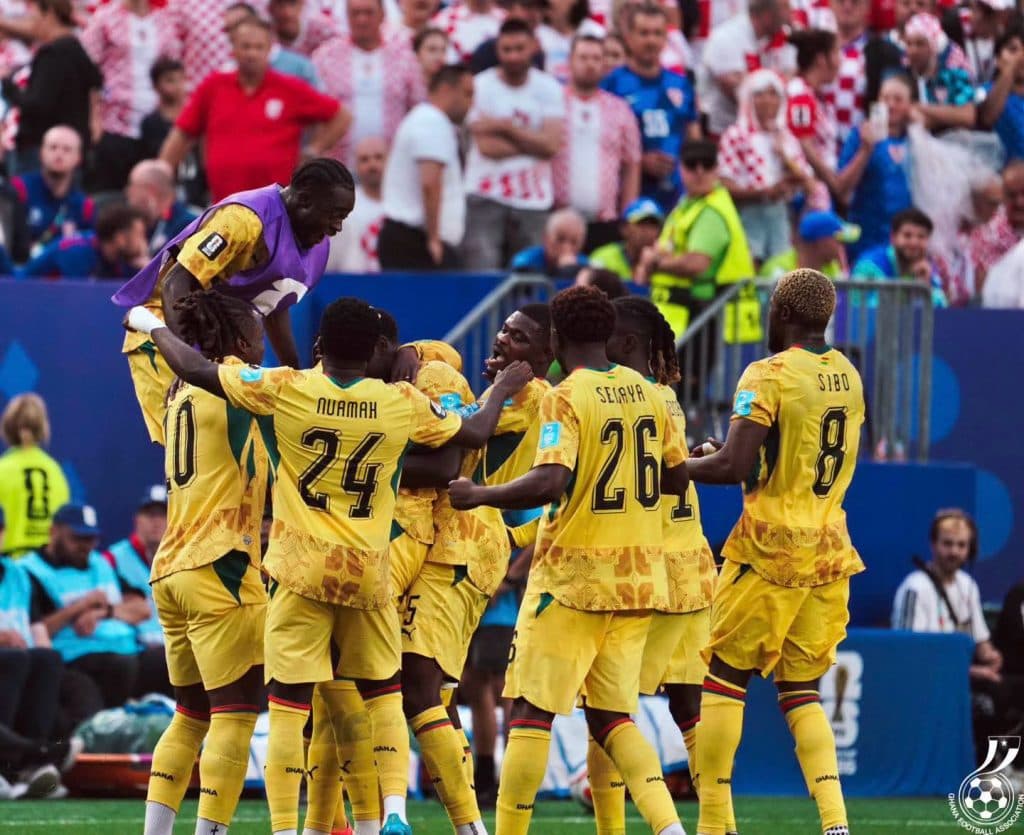
Ghana’s exit from the 2026 FIFA World Cup is first and foremost a sporting disappointment and Ghanaians are apportioning blame. But beyond the emotions, the campaign offers lessons that extend far beyond football. Like any organisation, a national team relies on planning, investment, leadership and execution. Success is rarely determined by talent alone.
Metro TV shares five business lessons from the Black Stars’ World Cup campaign.
- Investment Without Results Is Difficult to Justify
Governments and businesses invest heavily in preparing national teams through training camps, logistics, bonuses and technical support. As in business, spending alone does not guarantee success. Investors ultimately judge performance by outcomes and measurable returns.
- Preparation Is a Competitive Advantage
Successful companies spend months or years preparing for major opportunities. Football is no different. Squad planning, scouting opponents, player fitness and tactical readiness can determine whether a team advances or goes home. Preparation often separates contenders from participants.
- Leadership Matters Most Under Pressure
The biggest tests of leadership come during moments of adversity. Whether on the touchline or in the boardroom, leaders are judged by their decision-making, communication and ability to respond when plans begin to unravel. Strong leadership can steady an organisation even when results disappoint.
- Reputation Is Built Over Time but Can Change Quickly
A World Cup offers countries a global stage. Strong performances can elevate a nation’s football brand, attract sponsorships and increase the market value of players. Poor results can weaken momentum and shift public perception. Businesses face similar realities: reputation takes years to build but can change in a matter of weeks.
- Failure Should Inform the Next Investment Cycle
The most successful organisations treat setbacks as opportunities to improve rather than reasons to abandon their ambitions. Ghana’s World Cup exit should prompt a careful assessment of player development, coaching structures, youth academies and long-term football investment. Sustainable success requires learning from failure and acting on those lessons.
The final whistle may have ended Ghana’s World Cup journey, but it should also birth the beginning of a conversation about how the country develops talent, manages investment and measures success. Football, like business, rewards organisations that plan well, execute consistently and adapt when challenges arise. The real test isn’t how Ghana exited the tournament. It’s what the country does between now and the next World Cup.



