
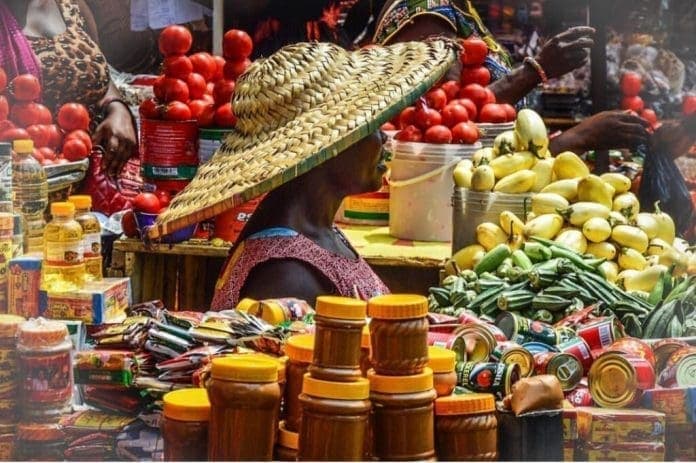
Food and non-alcoholic beverages continue to be the main drivers of inflation in Ghana, even as overall price pressures eased in January 2026, the Ghana Statistical Service (GSS) has said.
According to the latest Consumer Price Index (CPI) report, food inflation stood at 3.9 per cent in January 2026, down from 4.9 per cent in December 2025, but still remains a major influence on household spending.
The Statistical Service noted that food items accounted for a significant share of price movements during the period under review.
The report identified several commonly consumed food items as major contributors to inflation.
These include charcoal, green plantain, smoked herrings and ginger, which together formed part of the top contributors to overall price increases.
According to the GSS, these items, alongside cinema and cultural services, jointly accounted for over 45 per cent of inflationary pressure in January 2026.
This indicates that changes in the prices of everyday household items continue to have a strong impact on the cost of living.
Despite the year-on-year decline, food prices increased on a monthly basis.
The CPI report showed that food inflation rose by 1.1 per cent between December 2025 and January 2026.
“This means that food prices increased by 1.1% between Dec 2025 and Jan 2026,” the Service explained.
The monthly rise suggests that households may still be experiencing pressure in their day-to-day food purchases, even with the broader slowdown in inflation.
The report also highlighted that some food items recorded price declines, helping to moderate inflation.
Items such as garden eggs, tomatoes, fried fish and cocoyam leaves saw significant reductions in prices during the period.
These declines helped to cushion the impact of rising prices of other staples on consumers.
The GSS attributed fluctuations in food prices partly to supply and distribution constraints.
According to the report, “local supply, transport costs, and market access could be driving these gaps” in price movements across regions.
Poor storage facilities, post-harvest losses and transportation difficulties continue to affect food availability and pricing.
In its recommendations, the Statistical Service urged government to intensify investment in agriculture-related infrastructure.
It called for improved “storage, irrigation, transport, and market access to reduce regional disparities.”
Experts say strengthening food production and distribution systems will be crucial in sustaining low inflation and protecting vulnerable households from future price shocks.
Although food inflation slowed in January 2026, the GSS believes it will remain a critical factor shaping price trends in the months ahead.
Sustained support for farmers, better logistics and improved market access are expected to play a key role in stabilising food prices and reinforcing Ghana’s recent gains in price stability.



