The group stage of the expanded 2026 FIFA World Cup has concluded, and Africa has emerged with plenty to celebrate.
Nine of the African nations have advanced to the Round of 3. Among them, one team has exceeded every expectation, while another leaves North America with the unwanted tag of Africa’s biggest disappointment.
Metro TV’s Bernard Ralph Adams ranks the African teams based on results, quality of performances, strength of opposition, and overall impact.
- Morocco – Africa’s Standard Bearers (9.5/10)
No African side looked more complete than Morocco. Four years after becoming the first African nation to reach a World Cup semi-final, the Atlas Lions demonstrated that their success was not a one-off achievement. Drawn alongside Brazil, Scotland and Haiti, Morocco remained composed throughout the group stage, securing seven points.
What stood out was their tactical intelligence. They were disciplined without sacrificing attacking ambition, defended compactly against Brazil and showed clinical finishing against Scotland and Haiti. Every department of the team functioned effectively, from defence to midfield control and attacking transitions.
Morocco enter the knockout stage looking like Africa’s best hope of another deep World Cup run. They possess experience, confidence and a system that consistently delivers results.
- Cape Verde – The Story of the Tournament 9.0/10 (Africa’s Surprise Package)
If there is one African nation that has captured the imagination of football fans worldwide, it is Cape Verde.
Making their FIFA World Cup debut, the Blue Sharks entered Group H as overwhelming underdogs alongside Spain, Uruguay, and Saudi Arabia. Few predicted they would survive, let alone reach the knockout stage.
Yet Cape Verde defied every prediction.
The island nation drew 0-0 with Spain, held Uruguay to a thrilling 2-2 draw and completed their group campaign with another disciplined 0-0 stalemate against Saudi Arabia. They accumulated three points without winning a single match but still qualified for the Round of 32 thanks to the tournament’s expanded format and superior tiebreakers. Their achievement makes them only the third nation in World Cup history to progress from the group stage without recording a victory.
More importantly, the manner of their qualification impressed observers.
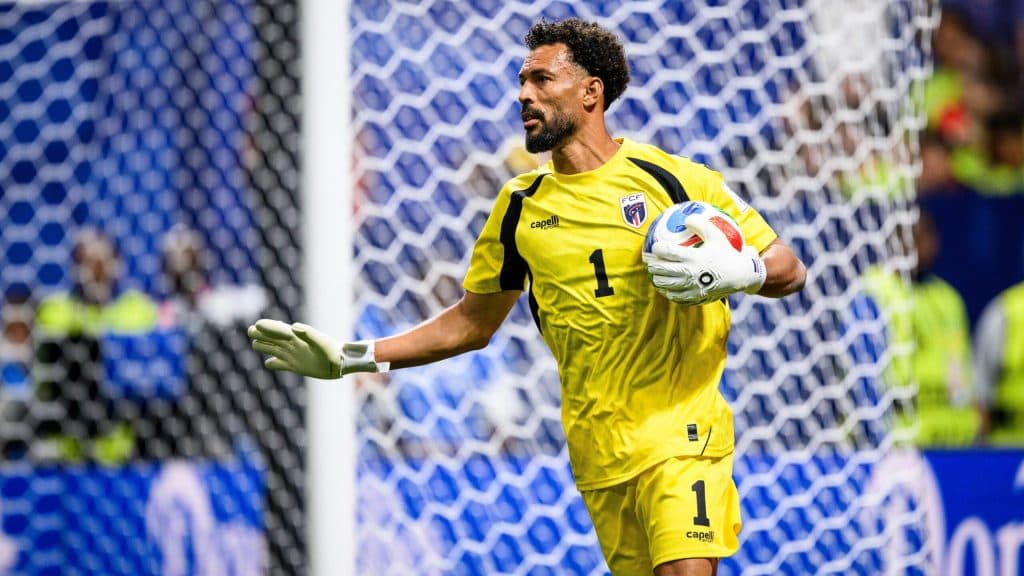
Cape Verde conceded just two goals in three matches despite facing one of the toughest groups in the tournament. Their defensive organisation, tactical discipline and outstanding goalkeeping frustrated opponents expected to dominate them.
Rather than chasing games recklessly, they embraced their identity, stayed compact and capitalised on every opportunity to earn valuable points.
Their reward is a Round of 32 showdown against Argentina, a fixture that would have seemed unimaginable just weeks ago.
For a nation appearing at its first World Cup, simply reaching the knockout stage represents one of Africa’s greatest success stories of the tournament.
- South Africa – Africa’s Most Improved Side (8.5/10)
An opening defeat to hosts Mexico could easily have derailed their tournament, but Bafana Bafana responded with maturity. They earned a valuable draw against Czechia before defeating South Korea in a pressure-filled final group match to qualify for the knockout stage.
The team’s improvement from one match to the next was evident. Defensively they became increasingly organised, while their midfield displayed greater composure in possession. They may not possess the individual stars of Morocco or Senegal, but they compensated through collective discipline and tactical flexibility.
South Africa’s return to the knockout stage marks one of African football’s quiet success stories.
- Ivory Coast – Recovery That Showed Character (8/10)
The Elephants experienced one of the most balanced campaigns among Africa’s representatives.
A narrow defeat to Germany could have damaged morale, but Ivory Coast responded impressively by defeating Ecuador before comfortably overcoming Curaçao to finish second in Group E.
Their campaign highlighted a squad capable of adapting to different opponents. Against stronger teams they remained compact and disciplined, while against weaker opposition they attacked with confidence and purpose.
Although not spectacular, Ivory Coast demonstrated consistency, maturity and enough quality to suggest they could trouble anyone in the knockout rounds.
- Ghana – Competitive Against Strong Opposition (7.8/10)
Ghana’s performances arguably deserved more recognition than their points tally suggested.
The Black Stars opened with an important victory over Panama before producing one of Africa’s most disciplined defensive displays in a goalless draw against England. Even their final defeat to Croatia was decided by fine margins rather than a gulf in quality.
Unlike previous tournaments where Ghana struggled to maintain concentration, this squad looked tactically organised and mentally resilient. Their midfield controlled long periods of matches, while the defence coped admirably against elite attackers.
Progressing as one of the best third-placed teams reflects a campaign built on consistency rather than brilliance.
- Senegal – Flashes of Excellence but Too Inconsistent (7.5/10)
Senegal entered the tournament carrying enormous expectations as one of Africa’s established powers.
Their campaign never quite found rhythm. Defeat to France was understandable given the quality of the opposition, but the loss to Norway complicated qualification.
To their credit, the Teranga Lions responded emphatically by dismantling Iraq 5-0 in one of Africa’s most dominant performances of the group stage.
The victory showcased Senegal’s attacking quality, but inconsistency prevented them from ranking alongside Morocco or Cape Verde.
- Egypt – Moments of Quality, Missing Consistency (7/10)
Egypt enjoyed a respectable rather than spectacular tournament.
Drawing with Belgium demonstrated their defensive organisation, while victory over New Zealand highlighted their attacking capability. However, another draw against Iran prevented them from finishing higher in their group.
Mohamed Salah remained their creative inspiration, but too often Egypt relied heavily on individual moments rather than sustained attacking football.
They remain difficult to beat, but will need greater attacking variation if they hope to progress further.
- DR Congo – Encouraging Return to the Global Stage (6.8/10)
Returning to the World Cup after a long absence, DR Congo can take considerable pride in reaching the knockout stage.
Their draw with Portugal showed defensive resilience, while victory over Uzbekistan proved decisive.
However, they struggled to create chances consistently and often spent long periods defending. Qualification was deserved, but their overall football lacked the balance displayed by Africa’s higher-ranked nations.
Nevertheless, the tournament represents significant progress for Congolese football.
- Algeria – Expectations Exceeded Performances (6/10)
Algeria arrived with one of Africa’s strongest reputations but never fully justified it.
The heavy defeat to Argentina exposed defensive vulnerabilities, while the remaining group matches failed to convince observers that they were capable of competing with elite opposition.
There were moments of quality, particularly in midfield, but the overall campaign lacked consistency, attacking fluency and defensive stability.
Considering the talent available, Algeria underperformed more than any African team except Tunisia.
- Tunisia – A Tournament to Forget (4/10)
Tunisia leave the World Cup as Africa’s biggest disappointment.
Three defeats from three matches told only part of the story. More concerning was the manner of those losses. Defensive errors became a recurring problem, creativity was almost nonexistent, and the team rarely looked capable of competing with the pace and intensity of modern World Cup football.
Heavy defeats to Sweden and Japan exposed serious tactical shortcomings, while the final loss to the Netherlands confirmed an early exit.
For a nation with considerable World Cup experience and realistic hopes of progressing, Tunisia failed to meet expectations in every department.
Final Notes
The expanded 48-team format has showcased the growing depth of African football. Morocco continue to lead the continent, Cape Verde have become the tournament’s greatest underdog story, while South Africa, Ivory Coast, Ghana and Senegal have all demonstrated that Africa is increasingly capable of competing with the world’s best.
At the opposite end, Tunisia and, to a lesser extent, Algeria leave with significant questions to answer. Their disappointing campaigns contrast sharply with the progress made by emerging nations like Cape Verde and South Africa, highlighting a shift in the balance of power within African football.
As the knockout stage begins, Africa has multiple teams capable of extending the continent’s impressive World Cup legacy.