As Ghana marks Black History Month in March, the nation’s traditional clothing takes center stage, reflecting centuries of heritage, artistry, and cultural pride.
From the vibrant patterns of Kente to the flowing robes of Agbada, each garment tells a story of history, identity, and creativity.
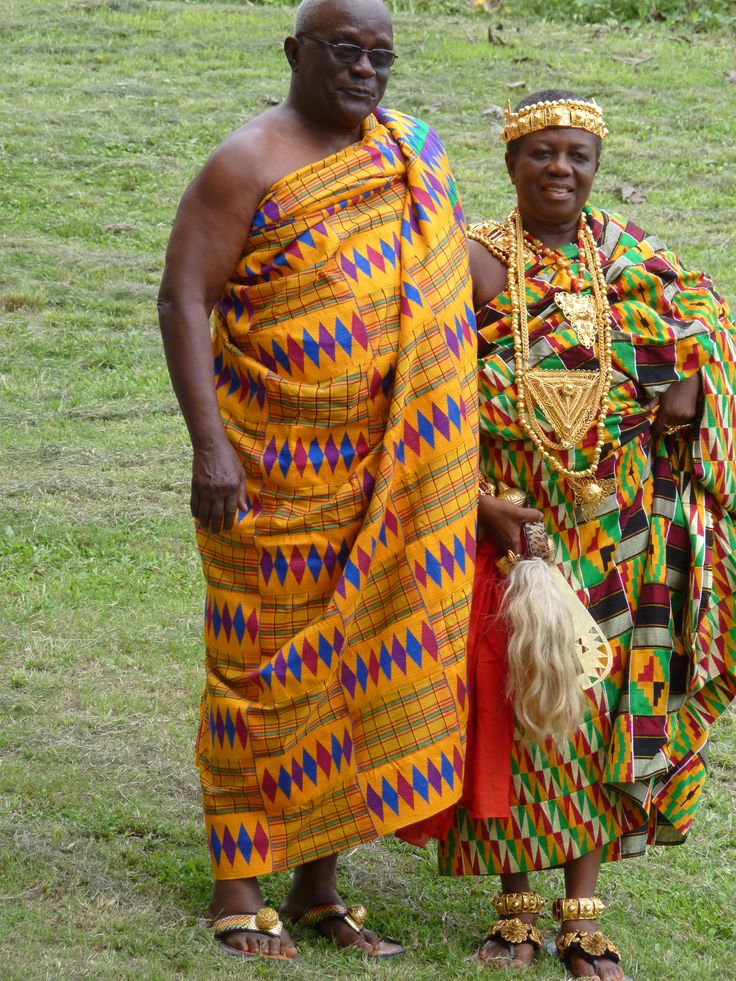
Kente cloth, Ghana’s most iconic fabric, traces its origins to the 17th century Ashanti weavers in Bonwire. According to legend, hunters Kurugu and Ameyaw were inspired by a spider’s golden, geometric web, reproducing its intricate patterns on wooden looms. The silk-cotton strips are rich in symbolism – gold represents wealth and royalty, red stands for passion and sacrifice, green reflects growth, and black signifies maturity.
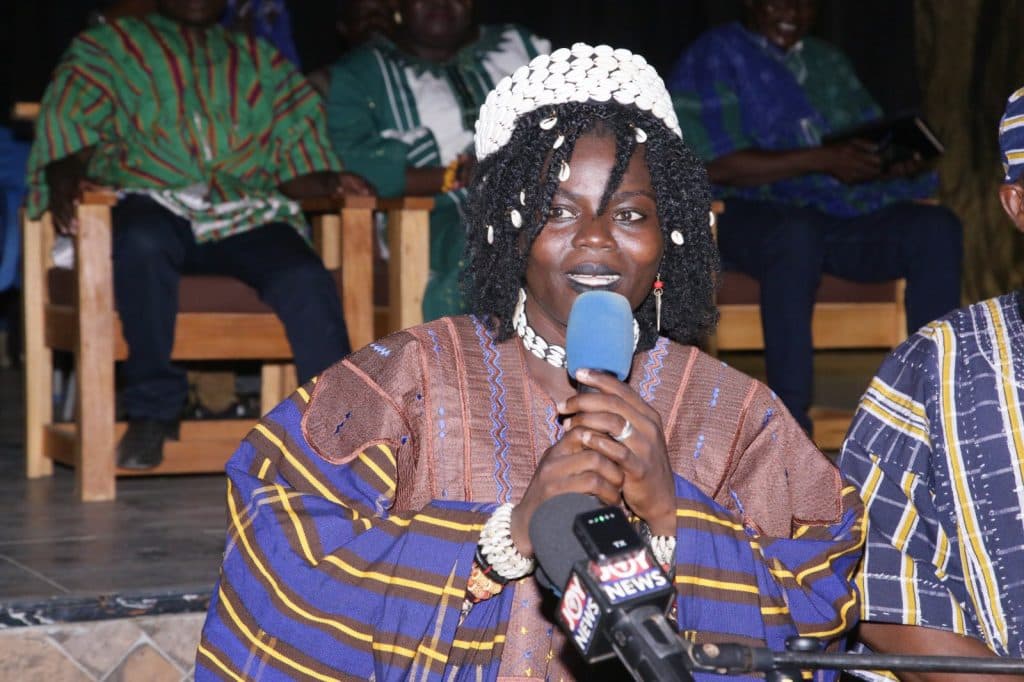
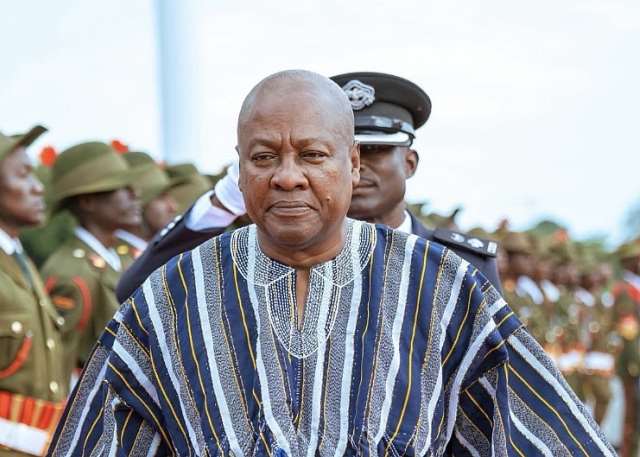
In northern Ghana, the Batakari or Fugu, a loose, flared cotton tunic, continues to be worn by the Dagomba, Gonja, and Mamprusi people. Paired with matching trousers and caps, it combines simplicity with pride, serving both as daily wear and festive attire.
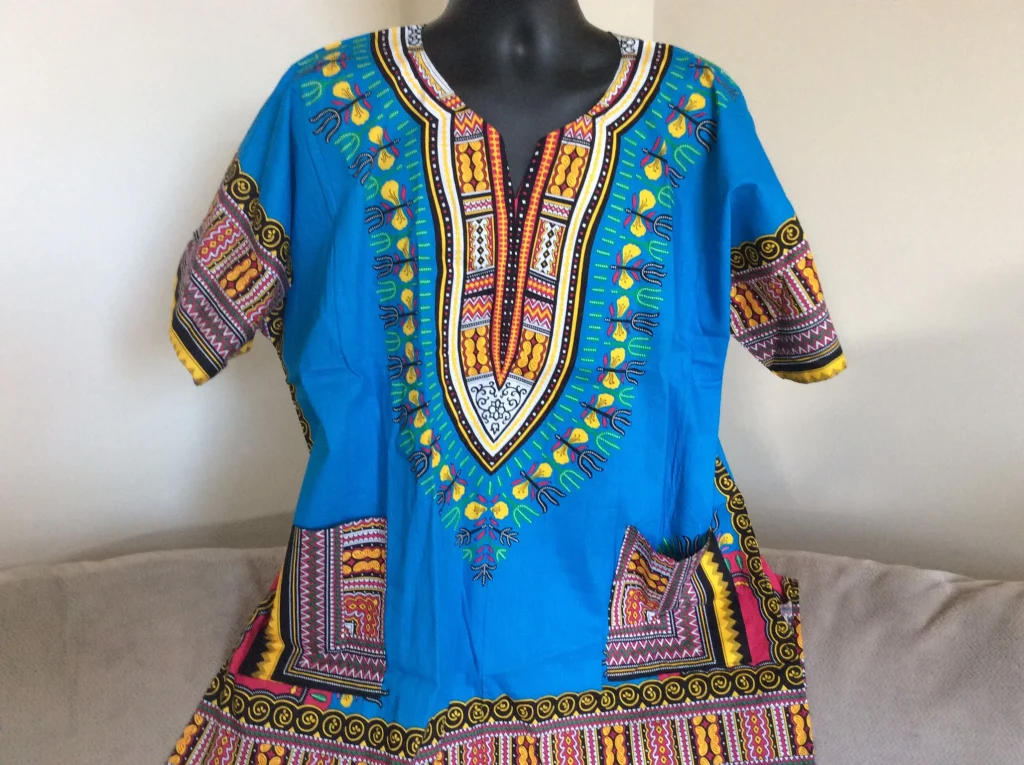
The Angelina or Dashiki and Kete celebrate vibrancy and unity. Kete, an Ewe cloth from the Volta Region, mirrors Kente’s patterns in looser cotton weaves inspired by waves and palms. Its red, blue, and white strips convey sacrifice, harmony, and purity, making it a staple in festival wraps and tunics.
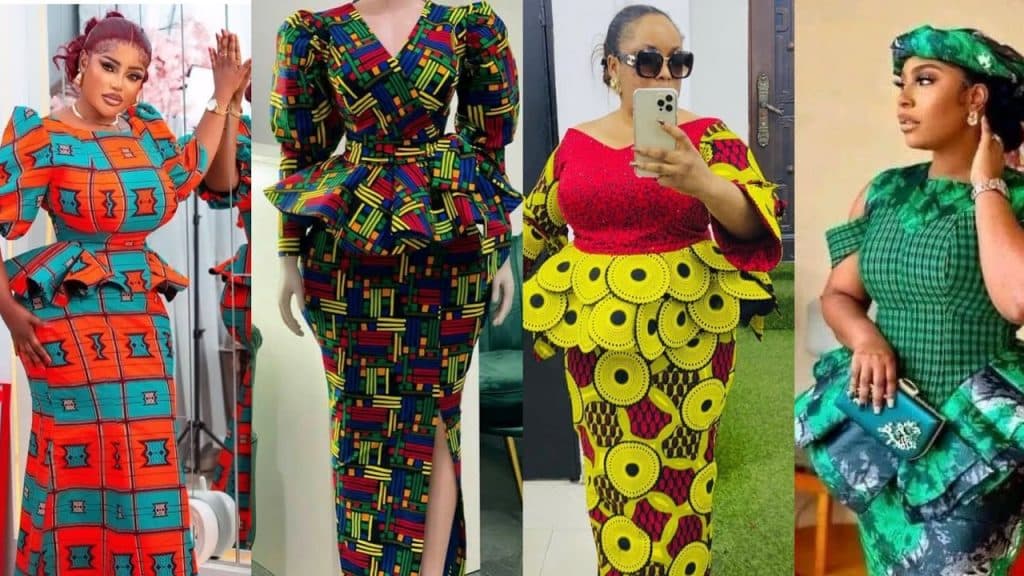
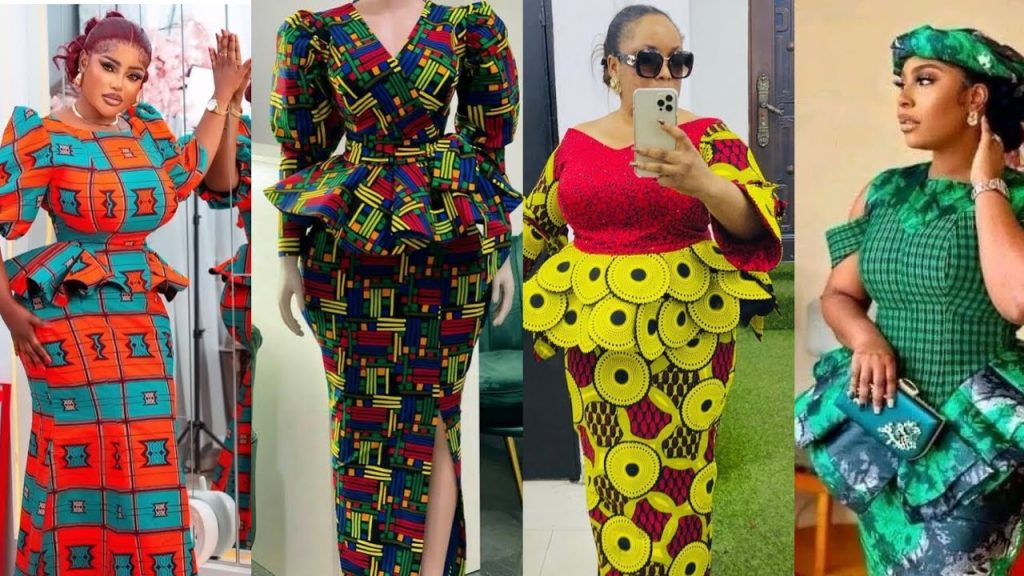
For women, the Kaba and Slit ensemble blends elegance and tradition. Originating from Akan and coastal communities, it fuses Victorian-style blouses with Kente or Ankara wraps, symbolizing grace and cultural continuity. Its bright colors reflect joy and unity, lighting up parades and celebrations across the country.
Bead jewelry, known as Abusua vidro among the Akan, enhances traditional outfits. Made from glass, coral, and gold, these necklaces, bracelets, and waist chains were inspired by ancient Venetian and Krobo trade beads. Each color carries meaning: red coral signifies power, white represents purity, and gold symbolizes wealth.
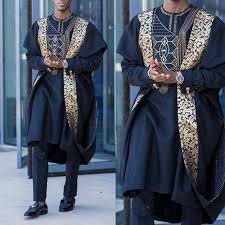
Among northern and Hausa-influenced communities, the Agbada or Boubou robe remains a symbol of dignity and spiritual power. Its wide sleeves and intricate embroidery make it a choice garment for celebrations and formal occasions, with indigo shades representing peace and gold threads conveying prestige.
Finally, raffia skirts from the Ga-Adangbe and Krobo communities reflect Ghana’s coastal traditions. Woven from palm fronds, they are used in dances, rituals, and fertility rites. Their golden-brown tones honor the soil and ancestral spirits, while the rustling skirts echo ocean waves, linking wearers to both nature and heritage.
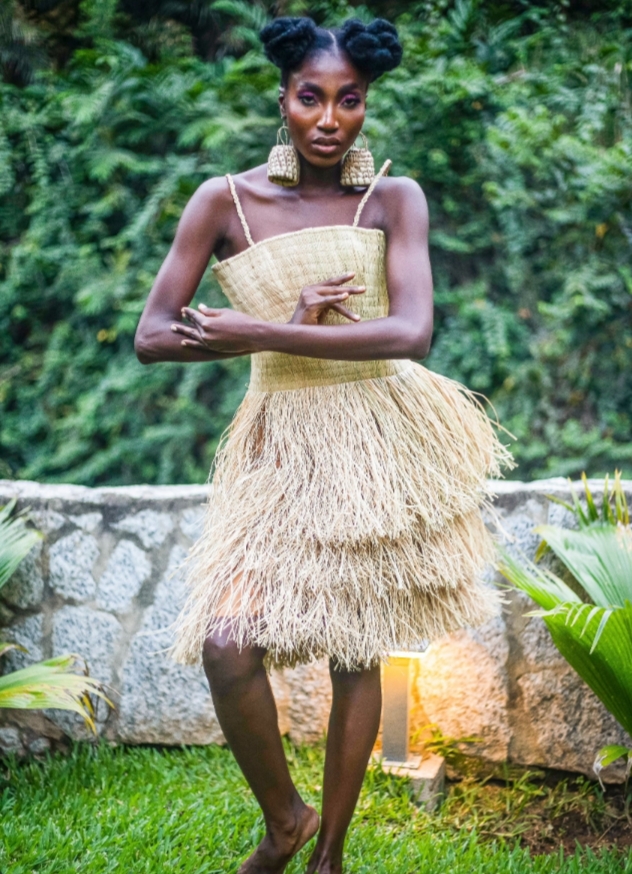
From the intricacies of Kente to the rhythms of raffia skirts, Ghana’s traditional clothing during Black History Month is more than fashion. It is a living narrative of history, identity, and pride, worn proudly by generations.
Story by Nana Akua Amponsah || Metro Digital