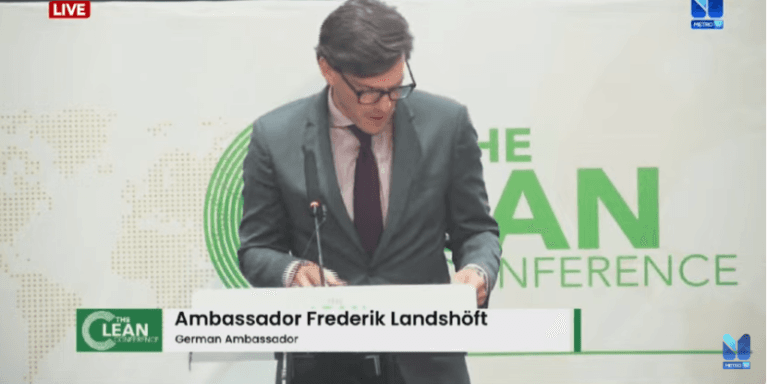
German Ambassador to Ghana, Frederik Landshöft, has warned that Ghana and other countries have limited time to make meaningful progress towards the United Nations Sustainable Development Goals (SDGs), with the 2030 deadline fast approaching.
Speaking at the Clean Conference organised by Ignite Media Group at the Cedi Conference Hall of the University of Ghana, Legon, on Friday, August 21, Mr Landshöft said the world was falling behind on key targets covering water, sanitation, energy and sustainable cities.
He said the commitments made in 2015 were intended to ensure that people across the world could access basic services such as safe water and sanitation as a human right.
“By 2030, everyone should have access to safe water and sanitation, for instance. Not as a privilege, as a human right,” he said.
With less than four years left to the deadline, however, the Ambassador said the pace of progress was worrying.
“We are now less than four years away from that deadline, and the world is not on track to achieve SDG 6, 7 and 11, and unfortunately not even close,” he stated.
Mr Landshöft said the situation required countries to shift from long-term aspirations to immediate action.
“The question is no longer what we want to achieve someday. The question is what we are prepared to do today,” he said.
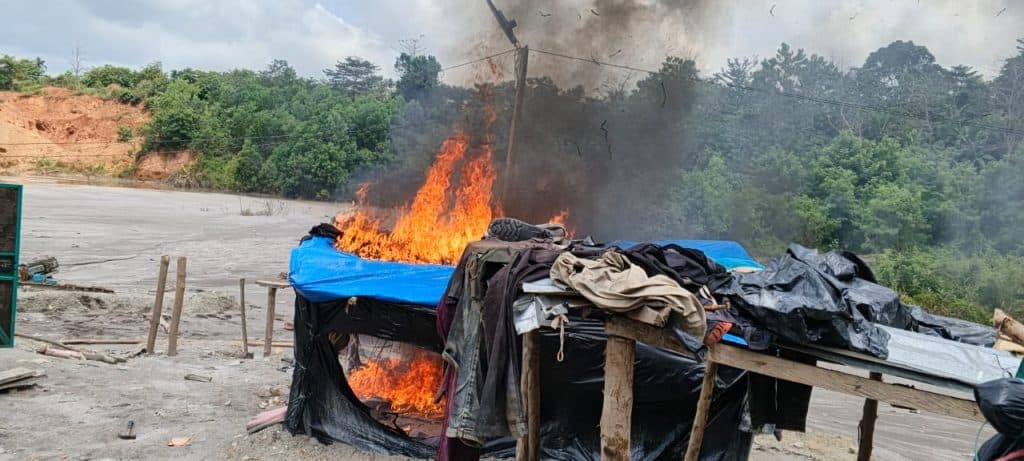
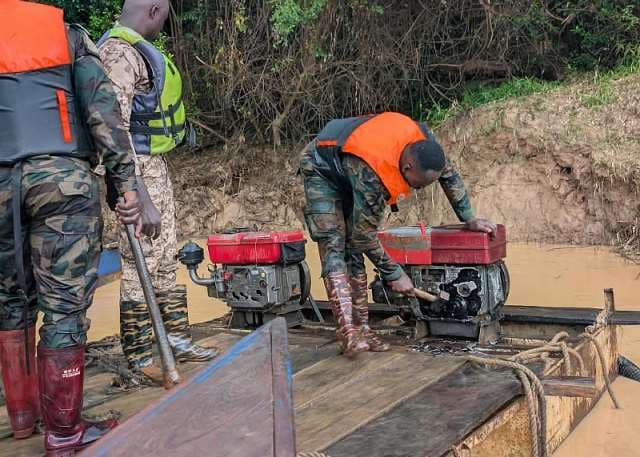
He said Ghana’s environmental challenges, particularly the pressure on water bodies from plastic waste, poor waste management and illegal mining, made the need for action even more urgent.
“Here in Ghana, water bodies remain under enormous pressure, from waste and plastic pollution, and of course, from the devastating effects of Galam Sey,” he noted.
Despite the challenges, Mr Landshöft said Ghana could draw lessons from countries where polluted rivers had been restored.
Using Germany’s Rhine River as an example, he said decades of intervention had helped transform a heavily polluted river into one where fish had returned and people could swim again.
“Action works. Water bodies can recover,” he stressed.
He said the experience of the Rhine, as well as recovery efforts along parts of the Yangtze and Ganges, showed that environmental degradation was not irreversible.
Mr Landshöft also said Germany would continue supporting Ghana’s environmental efforts, including work on e-waste management and plastic pollution.
He disclosed that the German Embassy, together with the Environmental Protection Agency (EPA), would soon launch a new environmental diplomacy project focused on plastic pollution.
The initiative will provide a platform for government, businesses and communities to discuss the problem and identify practical solutions.
The Clean Conference brought together policymakers, environmental experts, academics, development practitioners and private-sector leaders to examine Ghana’s progress towards the SDGs.