The push toward a 24-Hour Economy is beginning to show in practical ways, as institutions adjust how they operate to keep services running beyond the traditional workday.
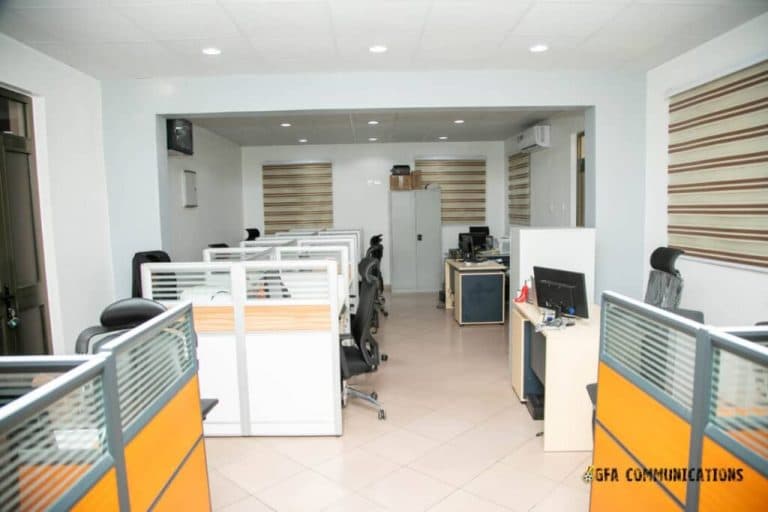
The Ghana Football Association (GFA) has announced plans to transition its IT department to a 24-hour service model, introducing shift-based work and round-the-clock technical support.
The move is designed to ensure continuous system monitoring, faster response times, and improved operational readiness.
Officials say the change is less about symbolism and more about functionality. By restructuring internal systems to operate in shifts, the association aims to minimise downtime and provide consistent technical support across all hours.
The approach reflects a broader effort to align institutional processes with the principles of continuous operations.
The development represents one of the early practical steps in the gradual rollout of the 24-Hour Economy framework.
Rather than a sweeping overhaul, it signals how organisations can begin with targeted adjustments within their own structures, identifying areas where extended service hours make operational sense.
While the full impact of the programme is expected to unfold over time, the GFA’s move illustrates how institutions are starting to translate policy concepts into concrete internal reforms.
For now, the focus is on continuity, responsiveness, and building systems that do not pause when the clock strikes five.