As Ghana marks its independence and celebrates Ghana Month in March, salons across the country are witnessing a revival of traditional hairstyles, with women embracing cultural designs that reflect identity, history and pride.
March in Ghana is not only about parades and red, gold and green decorations. It is also a time when culture is worn boldly, sometimes right on the head. From bustling salons in Accra to small braiding shops in regional towns, hairstylists say more women are requesting indigenous styles that connect them to their roots.
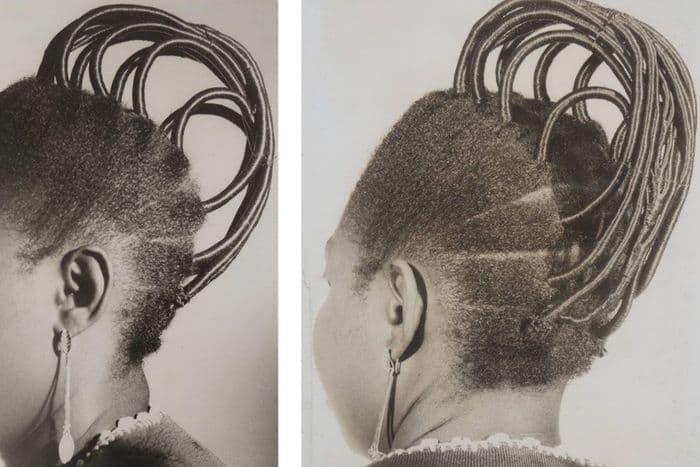
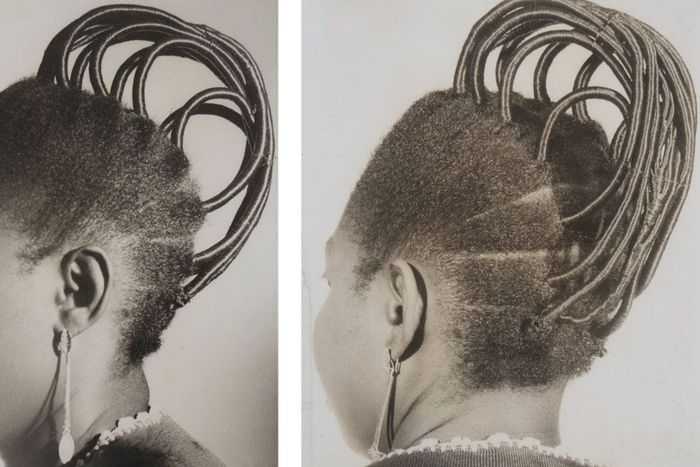
Among the most sought after styles this season are Adonko hairstyles, a traditional Akan threading technique where sections of hair are wrapped tightly in colourful cotton threads. The finished look creates sleek, elongated crowns that stretch upwards or outward. Historically associated with Ashanti queens, the style symbolises unity, femininity and ancestral strength. Today, it stands out as both protective and powerful.
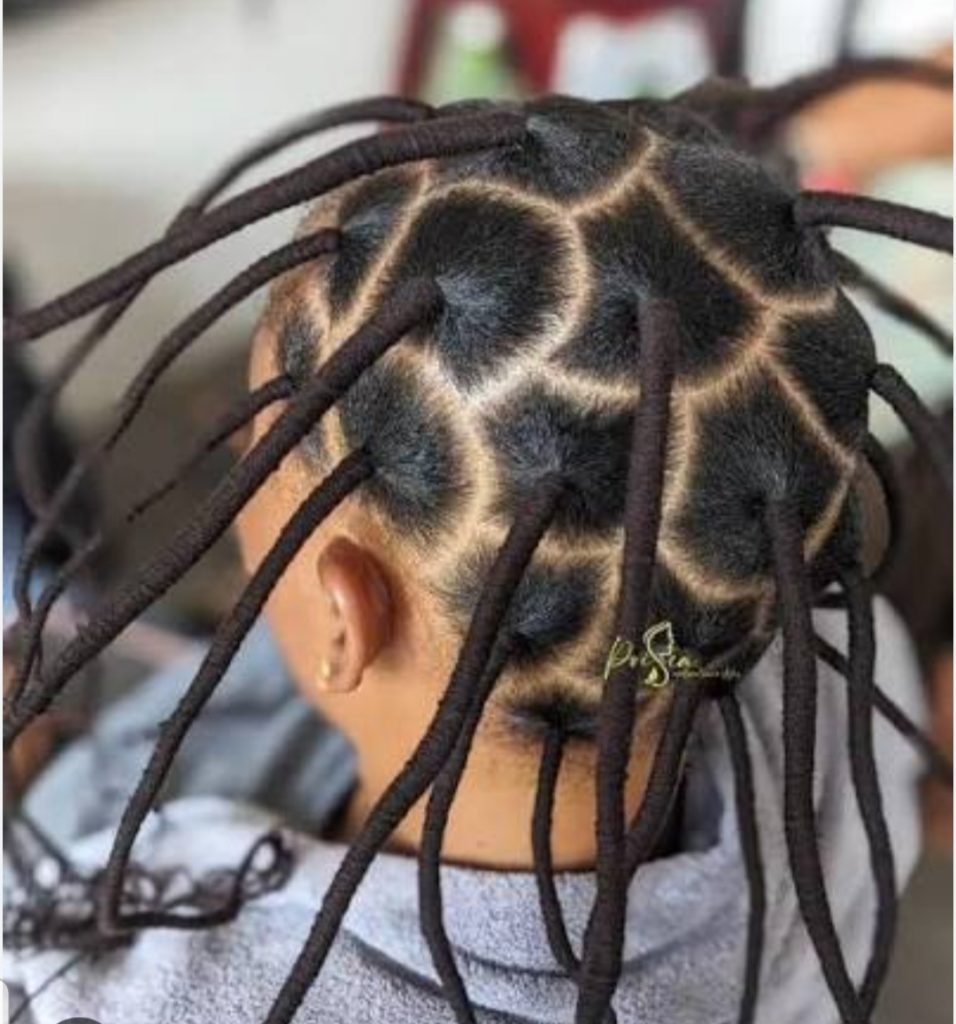
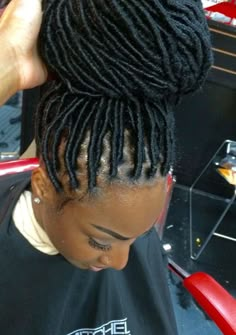
Closely related is Adesoa hairstyles, also known as African threading. In this style, small sections of natural hair are wrapped firmly with black thread to form long, rope like designs. Traditionally worn by Akan women, Adesoa was believed to protect the hair and promote healthy growth. During Ghana Month, it has become a visible statement of tradition meeting modern style.
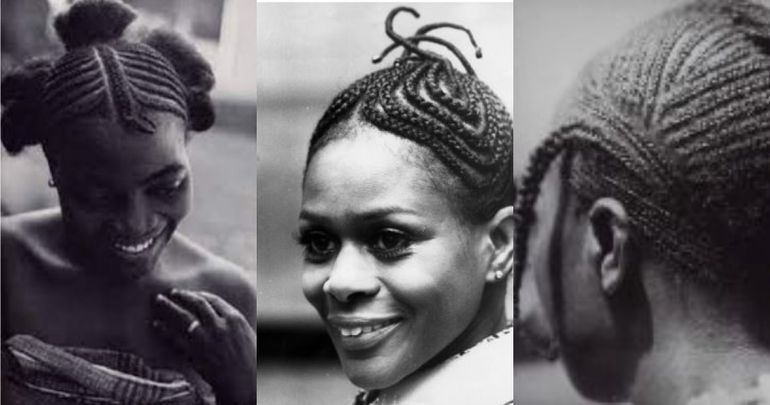
Another favourite is Duafe cornrows, inspired by the Adinkra symbol Duafe, which represents cleanliness, love and good grooming. In earlier times, intricate cornrow patterns signified tribal identity and social standing among Akan women. Today, the style remains neat and elegant, while carrying the deeper meaning of care and self respect.
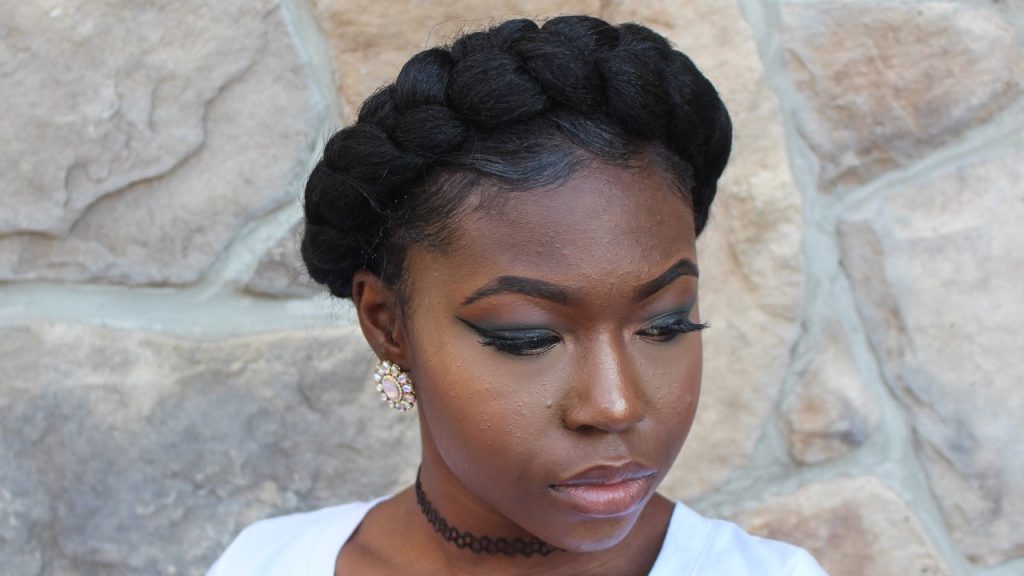
For those seeking a regal look, Halo braids, also known as Mpɛnsɛmpɛ or crown braids, are making a strong comeback. The thick braids are wrapped around the head in a circular form, resembling a crown. Traditionally worn by Akan queens and noblewomen, the style symbolises wisdom, leadership and high status. Many women say wearing it during Independence celebrations makes them feel dignified and confident.
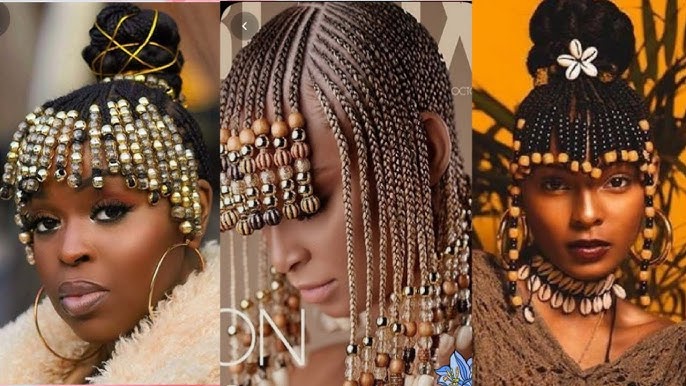
The Eban hairstyles, commonly created with box braids adorned with beads or cowrie shells, are also popular. The word Eban means fence in Twi, symbolising security, protection and love. The beads and shells add movement and character, turning the hair into a statement piece while reflecting the idea of a protective barrier around the wearer.
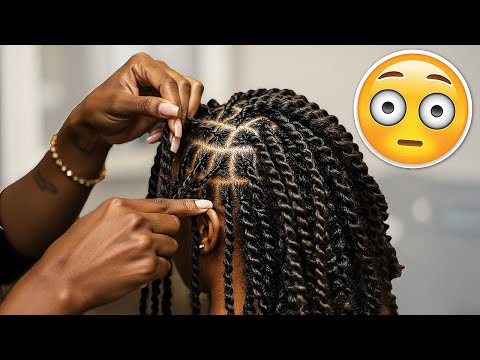
From the Ga Dangme community comes Nsaa twists, inspired by the woven Nsaa fabric which represents authenticity and excellence. The tightly twisted, rope like braids lie close to the scalp and were traditionally worn to express unity and beauty. During Ghana Month, they are being embraced as a proud display of cultural heritage.
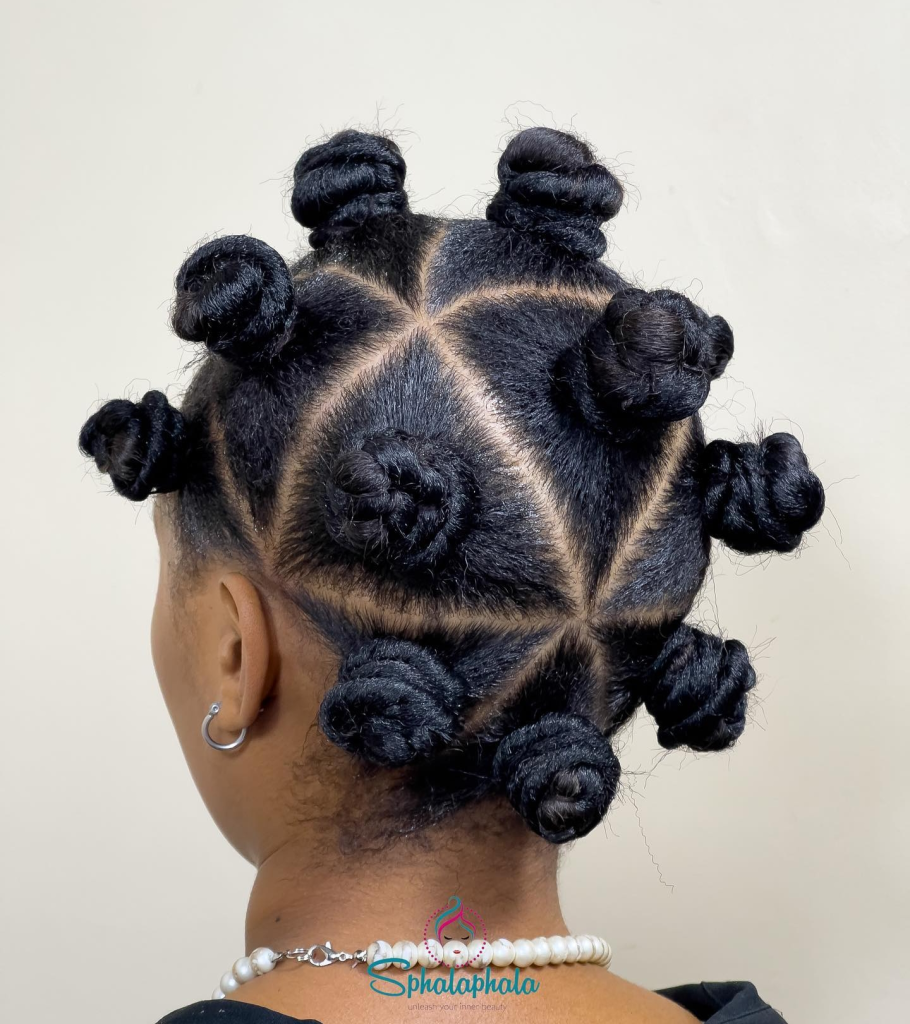
Even Bantu knots, though originating from Bantu speaking communities in Southern Africa, have found a firm place in Ghana’s cultural celebration. Styled as small coiled buns created by twisting sections of hair and wrapping them close to the scalp, the look is both bold and practical. Many Ghanaian women choose it as a protective style that preserves natural hair while making a striking cultural statement.
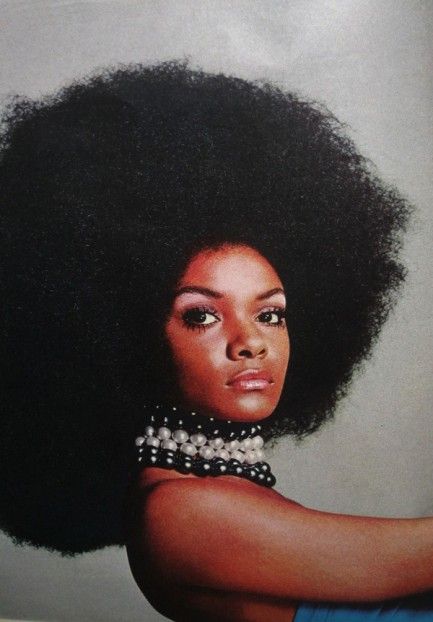
Afro Hairstyles
Afro hairstyles for ladies in Ghana emphasize natural hair pride, protective styling, and versatility, ranging from classic, voluminous afros and trendy, intricate Ghana weaving (cornrows) to elegant twists and pick-and-drop braids. Popular options include natural hair twists, Bantu knots, and crochet, utilizing extensions to add volume.
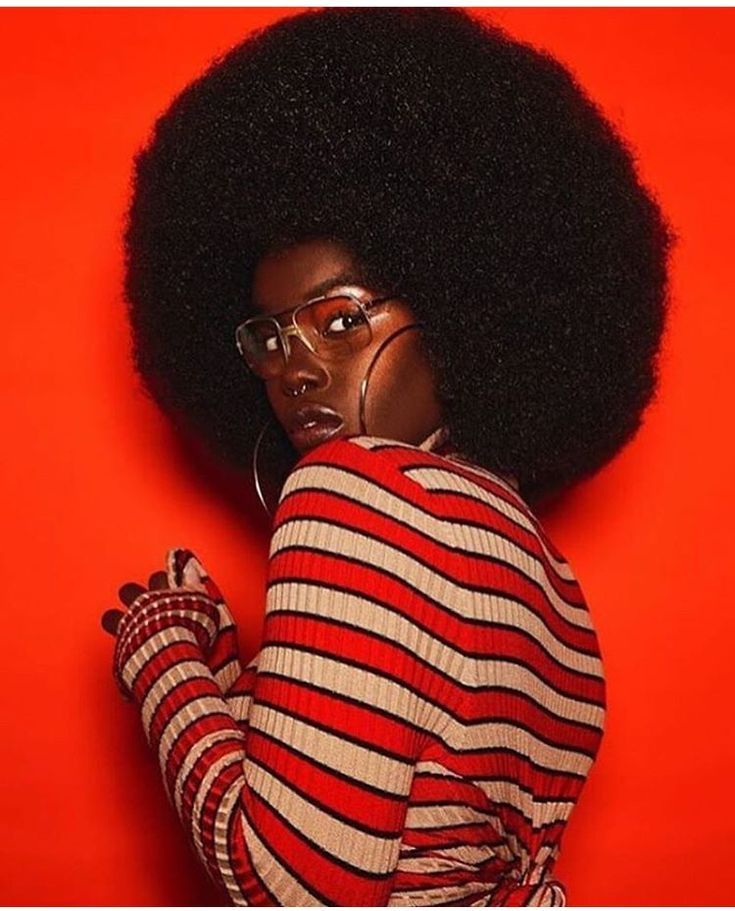
Hairstylists say the growing interest in these traditional designs reflects a deeper desire among young people to reconnect with their heritage. For many wearers, the styles are more than fashion. They are symbols of strength, royalty, unity and resilience.
As Ghana Month activities continue and Independence Day on March 6 is observed nationwide, the message is clear. Culture is not only performed on stage or displayed in museums. It is woven, braided and threaded into everyday life, one hairstyle at a time.
Nana Akua Amponsah || Metro Digital