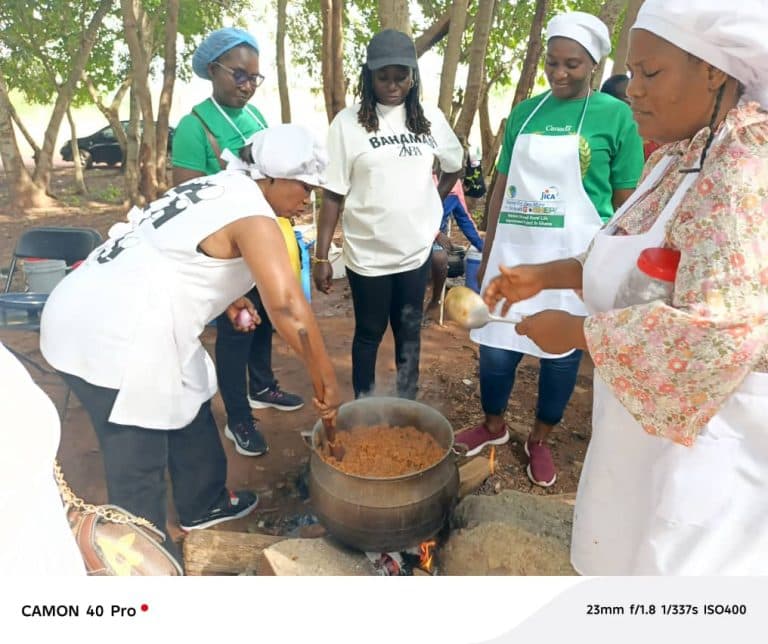
As Ghana marks Ghana Month in March, attention has once again turned to the country’s rich culinary heritage, with several traditional dishes taking centre stage as symbols of culture, identity and community.
Across the country, local meals that have fed generations continue to define the tastes and traditions of many ethnic groups, reflecting Ghana’s diverse history and way of life.
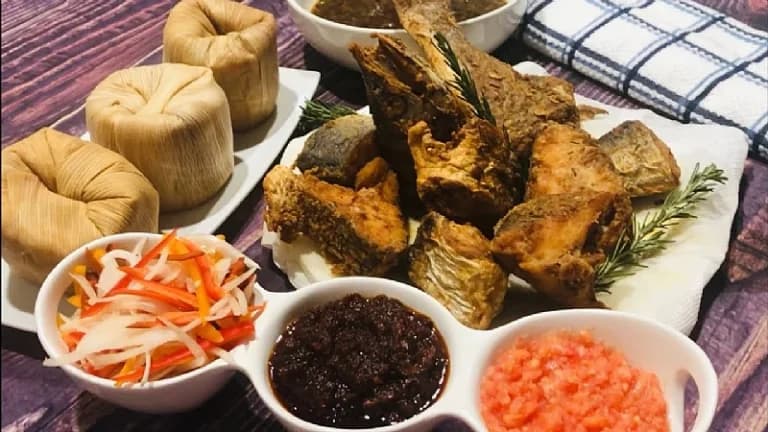
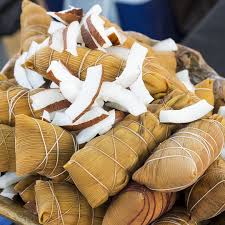
Among the most widely known is Ga kenkey, also called Komi, a staple of the Ga people in the Greater Accra Region. Made from fermented corn dough, the meal is shaped and wrapped in corn husks before being steamed for hours. Historically known as Otim, its preparation became easier in the early twentieth century with the introduction of corn mills. It is often served with fried fish, hot pepper sauce and shito.
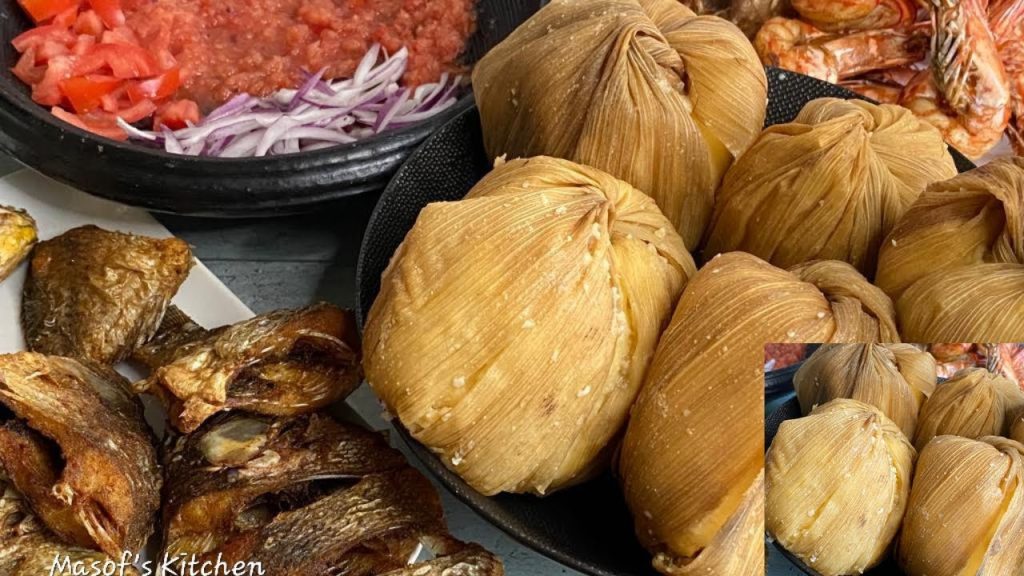
Another popular variety is Fante kenkey, also known as Dokono, which originates from the Central and Western Regions, particularly the town of Yamoransa.
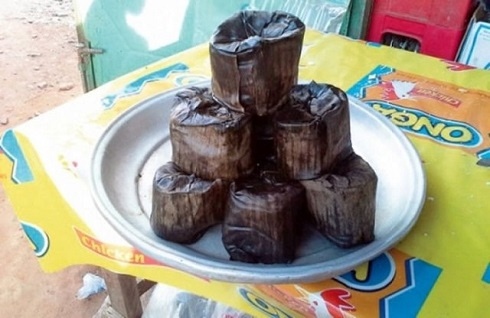
The dish is prepared by fermenting maize for several days before part of the dough is cooked into aflata. The mixture is then wrapped in plantain leaves and steamed, giving it a distinct aroma. For many families, especially women traders, the preparation of Fante kenkey has long been a source of livelihood. It is sometimes affectionately called Wonadeokyeawo, meaning your mother sends her greetings, when shared with others.
In Akan communities, fufu remains one of the most cherished meals. The dish is prepared by pounding boiled cassava with plantain or cocoyam in a mortar using a pestle until it becomes smooth and stretchy. It is commonly served with soups such as light soup, groundnut soup or palm nut soup, and is often associated with hospitality and communal dining, especially during family gatherings.
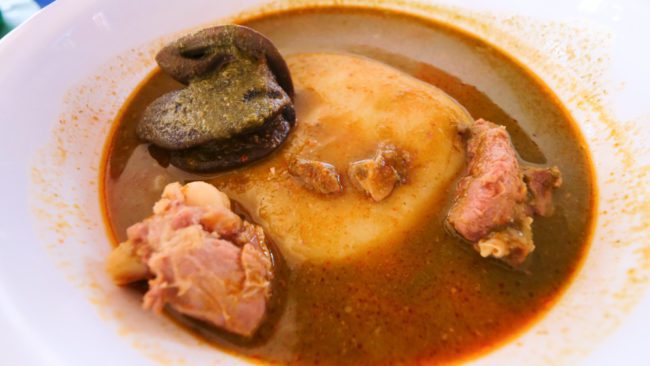
From the Volta Region comes akple, a soft meal made from a mixture of corn flour and cassava dough. The dish is traditionally eaten with okra soup known as Fetri Detsi or served alongside grilled tilapia. It is usually enjoyed by hand during shared meals among family and friends.
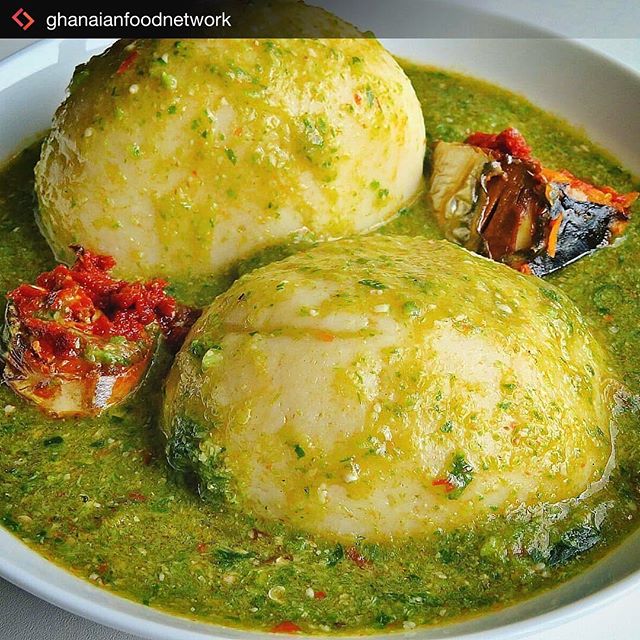
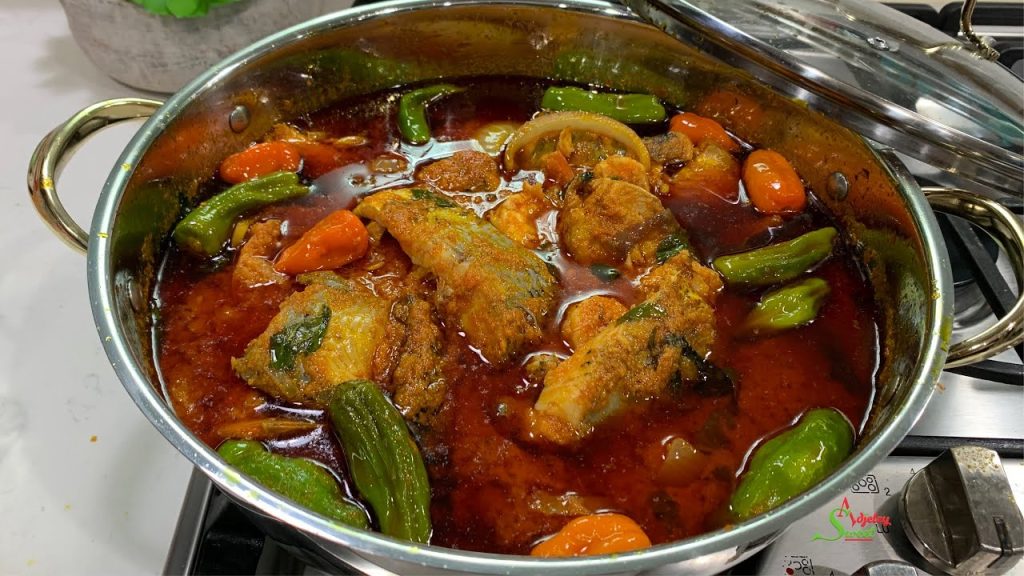
Another notable dish from the coast is Fante fante, often described as the fishermen’s stew. The light palm oil based fish stew is prepared with fresh fish, tomatoes, onions and chilli. It is widely enjoyed in coastal towns such as Cape Coast and Elmina, where fishing remains a central part of daily life. The stew is most often served with banku or kenkey.
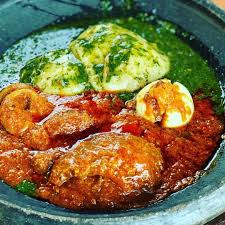
In northern Ghana, Tuo Zaafi, popularly called TZ, is a staple meal. The soft dish is prepared by stirring millet or maize flour in hot water to form a thick porridge like consistency. It is typically served with ayoyo soup made from jute leaves and is widely eaten as a comforting meal shared by families.
Another traditional favourite is Nkyekyeraa, also called Saabo, a popular snack in the Bono and Ahafo regions. The meal is prepared by mixing maize kernels and groundnuts, which are wrapped in leaves and boiled. The name comes from the Akan words meaning to tie small, reflecting the way the ingredients are wrapped. It is often enjoyed with Hausa koko.
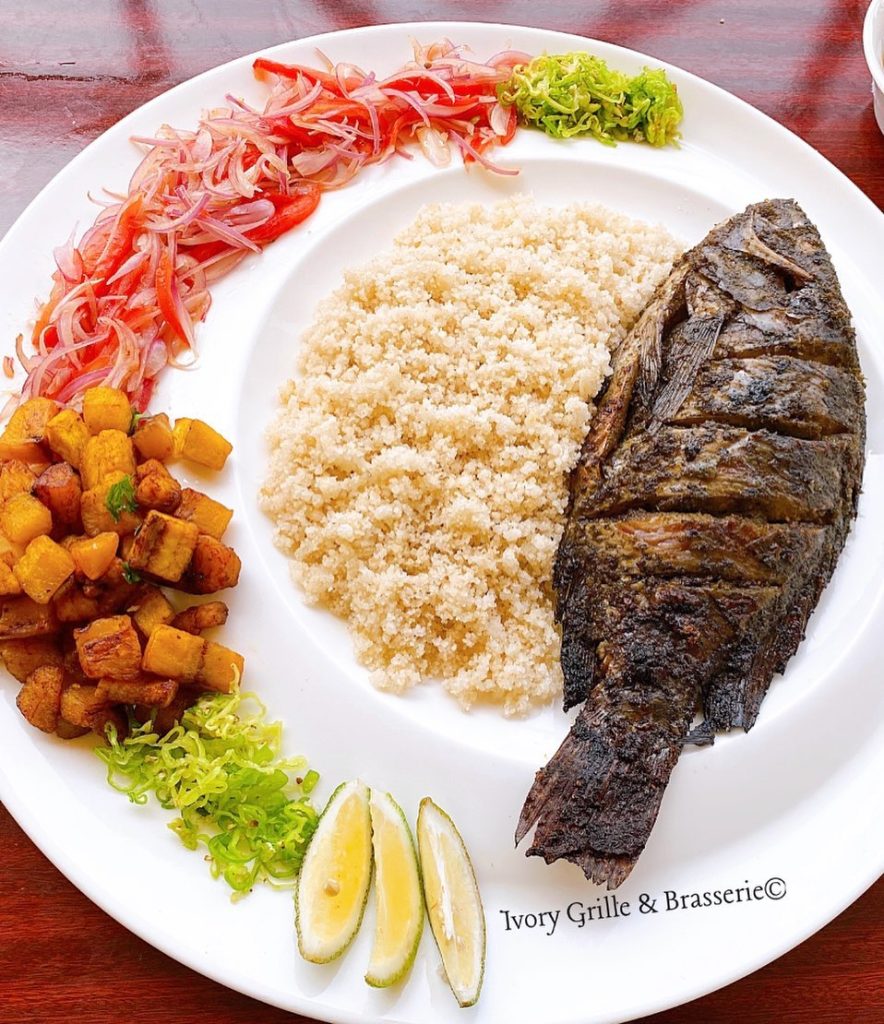
In the Western Region, especially among the Nzema people, akyeke, sometimes spelled attiéké, remains a well loved dish. Made from processed cassava granules, the meal is often described as cassava couscous and is valued for its connection to wider West African food traditions.
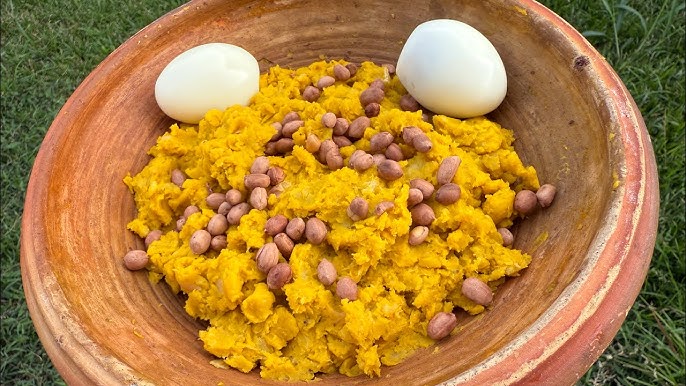
Meanwhile, etor, also known as 3to, holds special cultural significance in many Ghanaian homes. Prepared from mashed boiled ripe plantain or yam mixed with red palm oil, groundnuts and spices, the dish is often served in an asanka. It is commonly prepared during special events such as twin festivals, outdoorings and birthday celebrations.
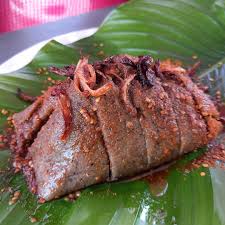
From the northern part of the country also comes tubaani, a steamed black eyed bean pudding. The dish is made from bean flour mixed with water and spices, wrapped and steamed until soft. It is widely enjoyed as a simple but nourishing meal across many communities.
As Ghana Month celebrations continue, these dishes serve as reminders of the country’s deep culinary traditions and the enduring role food plays in bringing people together.
Across homes, markets and restaurants, many Ghanaians are using the month to celebrate the flavours that have long defined the nation’s culture.
Nana Akua Amponsah || Metro Digital