Ghana must treat sanitation as a national priority and make behavioural change a central part of efforts to address the country’s sanitation challenges, a WASH Technical Specialist at World Vision Ghana, Yaw Atta Arhin, has said.
According to him, the country’s sanitation challenges are not beyond its capacity to solve, but rather stem from years of inadequate prioritisation, financing and public attention.
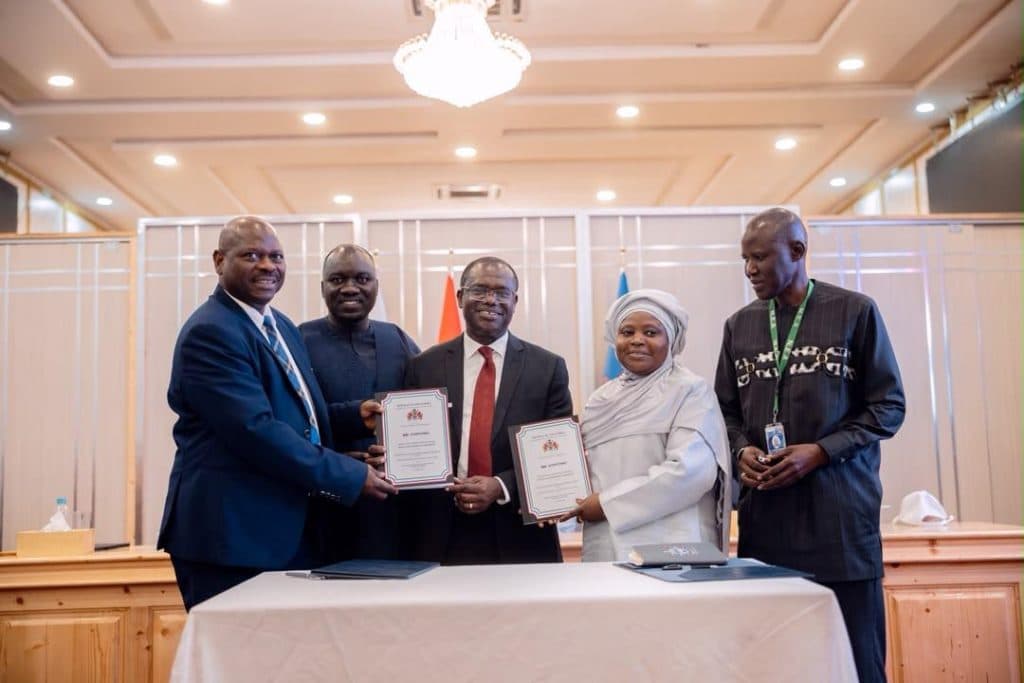
Speaking at the Clean Conference organised by Ignite Media Group, owners of Metro TV, Original TV and Original 91.9 FM, at the Cedi Conference Hall of the University of Ghana, Legon, on Friday, August 21, Mr Arhin said sanitation had often been treated as an afterthought.
“I would say there are two things for me and for me the number one is prioritization. As a country we haven’t prioritized sanitation enough and we have tended to treat it as an afterthought,” he said.
He said the lack of priority had also affected investment in the sector, resulting in inadequate infrastructure needed to improve sanitation across the country.
“We have not financed it, we have not built the necessary infrastructure and all that,” Mr Arhin added.
Reawaken Ghana’s sanitation conscience
Mr Arhin said beyond infrastructure and financing, Ghana needed to revive what he described as its “national sanitation conscience”.
“Ghana does not have a sanitation problem it cannot solve. Ghana just have a national sanitation conscience which has been allowed to sleep and almost dead,” he said.
He believes that getting citizens to take greater responsibility for sanitation could significantly improve conditions in communities.
“And I think that what we need to do from here is to reawaken the nation’s sanitation conscience. Once we do that and everybody comes on board, I think we should get far,” he added.
Behaviour change is key
The WASH specialist also stressed that improving sanitation cannot be achieved through infrastructure alone.
He called for a sustained national campaign aimed at changing attitudes and practices around sanitation and ensuring that citizens are actively involved.
“Finally, let me say that behavior change is key. It’s not an infrastructure issue only,” Mr Arhin said.
He called for “a comprehensive, sustained behavior change communication strategy” that would engage citizens at all levels.
“And once that happens, then sanitation will improve at all levels,” he said.
Mr Arhin was speaking during a panel discussion on the topic, “Why does sanitation lag so far behind water access and whose responsibility is it to close that gap? Government, communities or the private sector?”
The discussion formed part of the Clean Conference, held under the theme, “Assessing Ghana’s progress towards UN Sustainable Development Goals 2030.”