
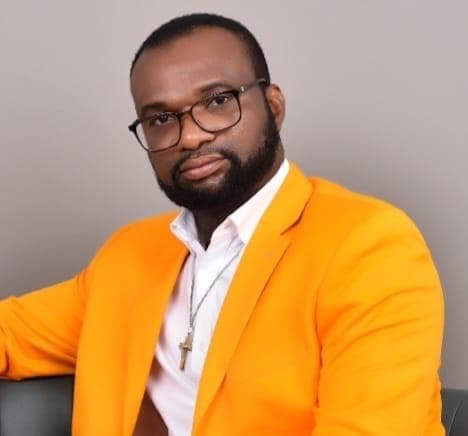
National affairs and economic development analyst Shepherd Ali says Ghana’s growing culture of political insults is beginning to affect how the country is perceived outside its borders.
He said some of his colleagues in Europe have come across abusive political commentary from Ghana on social media and questioned whether Ghanaians are generally as aggressive as the content suggests.
Speaking on Metro TV’s Good Afternoon Ghana on Friday, September 4, Mr Ali said he often finds himself explaining to colleagues that the behaviour seen online does not represent the Ghana he knows.
“Because over time, Ghana is missing as a peaceful country,” he said.
He explained that colleagues at his workplace in the Czech Republic sometimes see videos and posts involving political figures and commentators trading insults and are surprised by what they see.
“Sometimes my colleague lectures or my colleagues at work, they see some of these things on social media and they come, ah, who are these people fighting against? Are you guys that aggressive?” he said.
Mr Ali said the question puts Ghanaians abroad in a difficult position because they have to explain that the confrontational exchanges seen online do not necessarily reflect the country’s broader character.
“And you always try to explain yourself. But this is not the situation,” he added.
Ghana is losing it
Mr Ali believes the growing acceptance of insults is also contributing to a decline in Ghana’s traditional culture of respect, particularly towards elderly people and those who hold positions of authority.
Asked whether Ghanaians were losing part of their cultural identity, he said the trend was becoming increasingly obvious.
“But the direction we are going, it’s obvious we are losing it,” he said.
He questioned how some people could publicly insult elderly and respected figures in society, including political leaders and traditional authorities.
“Look at the caliber of people that are being paraded for insult. Are they not old people? Are they not grown out people? Are they not people that we respect in society? Are they not people who are equal to us as can be called our fathers?” he asked.
Mr Ali said the nature of some of the insults now being directed at public figures would have been considered unacceptable when he was growing up.
“That’s how we design. It’s definitely not part of us because when we were growing up, you cannot even say such words,” he said.
He said the problem has extended beyond political opponents to include the President, Vice President, First Lady and other public figures.
“First lady are being insulted, vice president, everybody is being insulted. And this is not the way. We are losing it,” he said.
Argue without insulting
Mr Ali, who works as a financial consultant with a multinational company in the Czech Republic and also lectures at a university, has since launched a campaign against political insults.
He said he returned to Ghana because he wanted to contribute to efforts to change the tone of public discourse.
“I came down all the way from Czech Republic and I’m like, let me do what I can do to let people know that this is really an issue,” he said.
As part of the campaign, he embarked on a solo walk from Kasoa to Winneba, where he said he engaged drivers, market women and other residents about the issue.
He plans to continue the campaign with further walks in Accra and Kumasi.
His message is that Ghanaians should be able to disagree strongly without resorting to personal attacks.
“I want everybody to come on board to understand that we can politics, we can share opinions, we can argue on points, we can, we can bring out anything that we think we want another person to understand without insulting,” he said.
He urged the public to make constructive debate more attractive to young people so that political engagement is not reduced to verbal abuse.
“Let it be a discussion so that we all get our young ones who are coming up there not to appreciate this insult,” he added.



