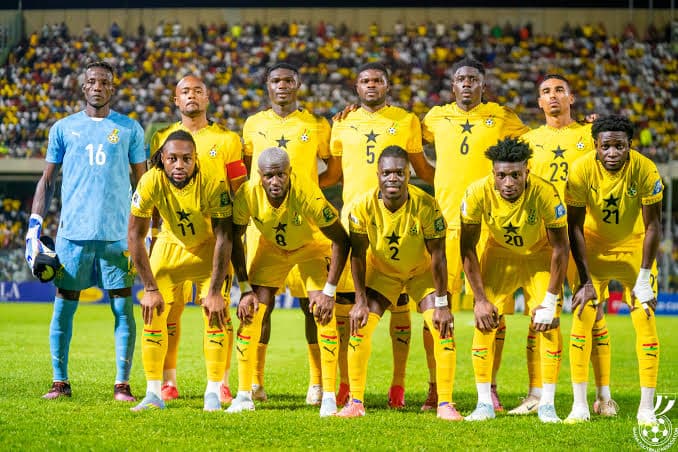
Ghana’s Black Stars do not have only a coaching problem. They have a continuity problem, an accountability problem and a football-management problem, one that has repeatedly been disguised as a crisis on the technical bench.
Whenever the team falters, the response follows a familiar script: blame the coach, reshuffle the assistants, recall different players and demand immediate results. A new technical team arrives, optimism briefly returns and the deeper weaknesses remain. Ghana changes the people in charge without changing the system that keeps producing the same failures.
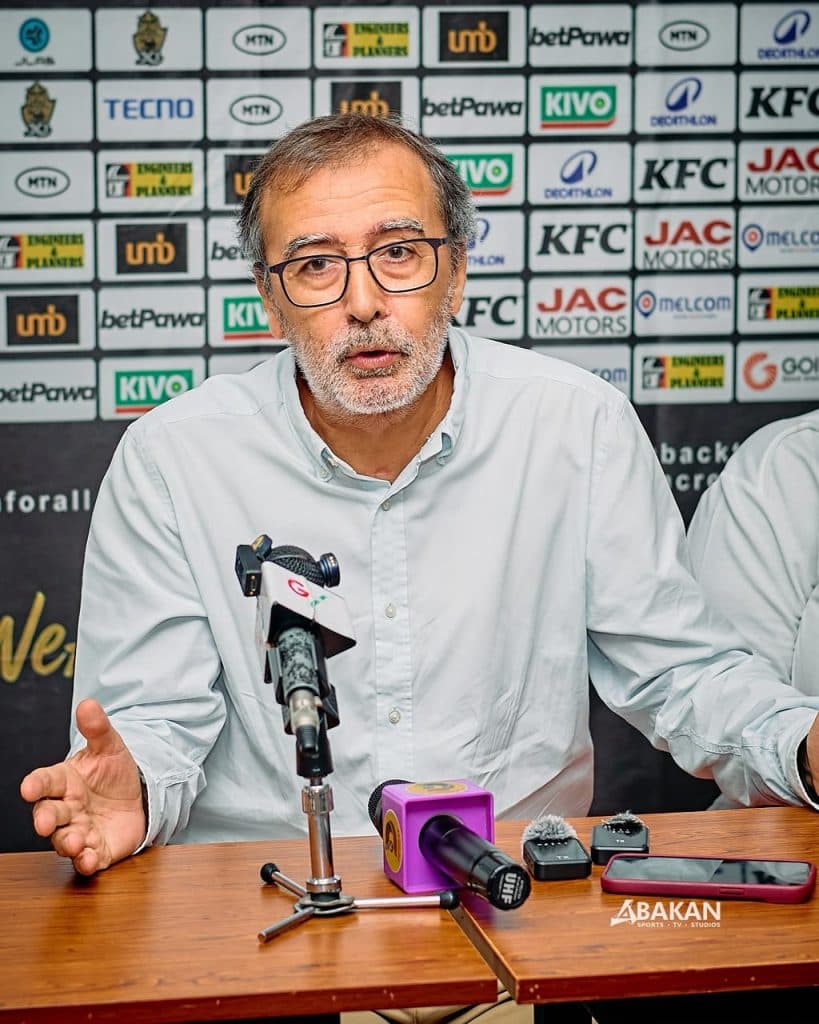
That is why the decisive question is not whether Kim Lars Björkegren, Ibrahim Tanko and Godwin Attram can win Ghana’s November fixtures against Somalia. It is whether they can show that the Black Stars are beginning to operate with a clear identity, coherent selection policy and repeatable tactical principles.
The Somalia matches are therefore more than routine fixtures. They are the first public test of whether Ghana’s football leadership has learned anything from the cycle of short-term appointments and temporary fixes. Two victories would matter, but they would not be enough if the team still relies on individual brilliance, lacks structure and collapses whenever the original plan is challenged.
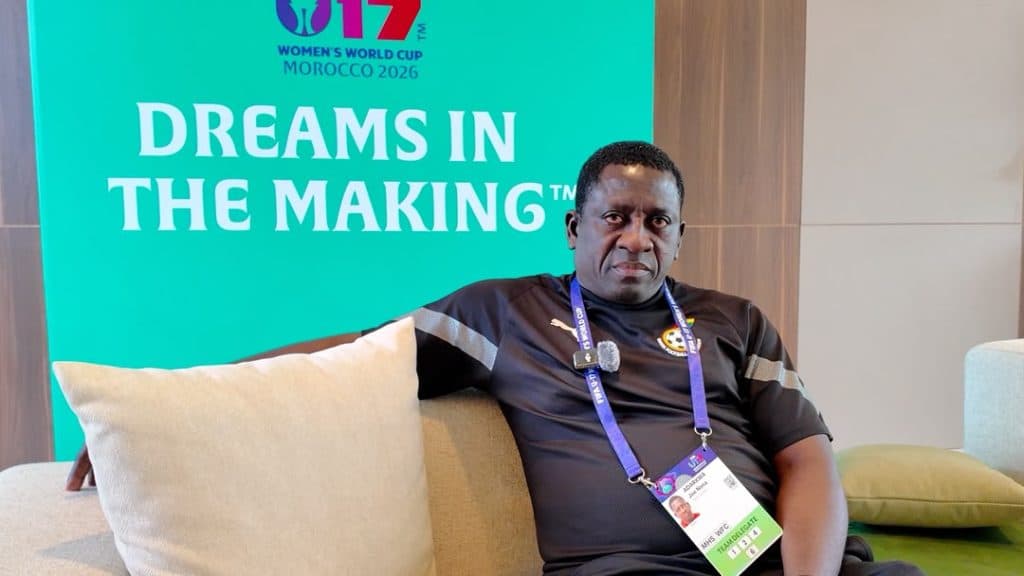
The interim technical team has an opportunity to expose the truth. Björkegren brings experience with the Black Queens, Tanko understands the national-team environment, Attram offers domestic football knowledge and Fatawu Dauda provides continuity in the goalkeeping department. Their backgrounds appear complementary. But unless those strengths are organised within a clear structure—with defined responsibilities, measurable objectives and the authority to address problems beyond the bench, the arrangement will become another change of personnel without meaningful change.
The author of this piece is Kpeglo Yao Elikem.