Government has stepped up efforts to reduce preventable maternal and newborn deaths, bringing together government agencies and international partners to sharpen the country’s response to pre-eclampsia and maternal anaemia, two of the leading causes of pregnancy-related complications.
The Ministry of Health and the Ghana Health Service have concluded a two-day workshop in Accra to map out how Ghana will implement the Sustained Uptake of Products for Pre-Eclampsia and Maternal Anemia (SUPREME) Project.
The initiative is backed by a consortium that includes Unitaid, Amref Health Africa, Clinton Health Access Initiative, Jhpiego and Market Access Africa.
The meeting aimed to align stakeholders around a clear implementation plan, strengthen collaboration and close long-standing gaps in how pre-eclampsia and anaemia are detected and managed within Ghana’s health system.
Speaking on behalf of the Director-General of the Ghana Health Service, Dr. Kennedy Brightson, Director of the Family Health Division, described the moment as critical. While antenatal care coverage has remained above 70 percent between 2016 and 2025, he said more women are beginning care later than recommended.
Early antenatal attendance dropped from 84.4 percent in 2016 to 72.7 percent in 2025.
At the same time, the proportion of pregnant women registering with anaemia has risen from 28.8 percent to 33.6 percent over the same period. Anaemia at 36 weeks’ gestation remains high at 27.9 percent. Maternal deaths have also increased, from 779 in 2016 to 955 in 2025, with hypertensive disorders in pregnancy, including pre-eclampsia, still among the leading causes.
Dr. Brightson stressed that access alone is not enough. The timing and quality of care, he said, determine whether complications are caught early and treated effectively. He acknowledged that Ghana has strong policy frameworks, including national reproductive health standards and safe motherhood protocols, but pointed to gaps in implementation, inconsistent adherence to guidelines and supply chain bottlenecks.
Late initiation of antenatal care, delays in referrals especially in rural areas, and shortages of essential commodities continue to undermine progress, he added.
He described the SUPREME Project as an opportunity to strengthen what already exists. The focus will be on early detection, standardised screening during antenatal visits, better tracking of high-risk pregnancies, improved commodity security and stronger provider capacity. The goal, he said, is to ensure every pregnant woman receives timely, life-saving care.
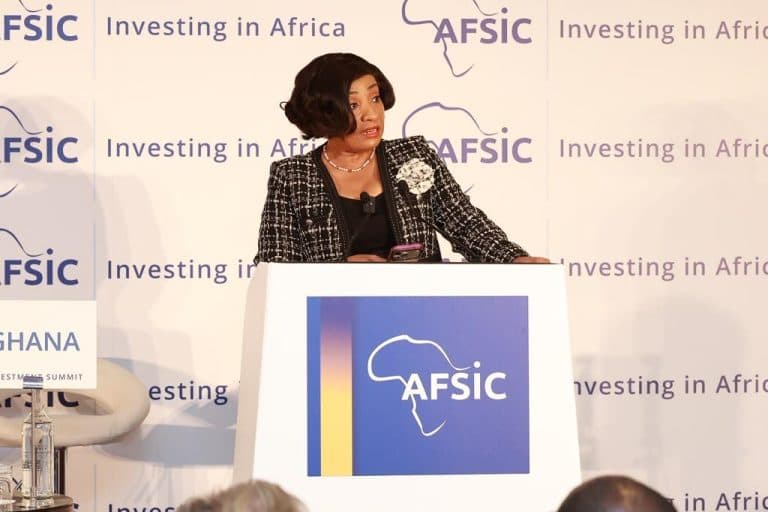
Deputy Minister of Health Dr. Grace Ayensu-Danquah, who oversees maternal and newborn mortality, called the current situation urgent and unacceptable. She noted that Ghana’s 2025 maternal mortality level remains above the World Health Organization benchmark of 70 deaths per 100,000 live births.
She announced plans to visit the 20 hospitals where most maternal deaths have been recorded to better understand the system failures behind the numbers. Her target is to cut the maternal mortality rate by half by the end of 2026. She welcomed the collaboration with partners and signalled her readiness for open dialogue to improve outcomes for women across the country.
Dr. Samuel Boakye-Boateng, Director of Policy, Planning, Monitoring and Evaluation at the Ghana Health Service, underscored the role of community engagement in making the project work. He pointed to the Community Scorecard as a tool to gather feedback, increase antenatal care use and strengthen referral systems.
Communities, he said, must be active partners rather than passive recipients of care. When communities can demand quality services and track performance, referrals are faster and follow-ups more reliable.
Representatives of the partner organisations pledged technical and financial support, commending the Ministry and the Ghana Health Service for driving the agenda. They stressed the importance of identifying bottlenecks, building on what works and strengthening national systems rather than creating parallel structures.
The SUPREME Project is a multi-country initiative that will run in Ghana, Kenya, Tanzania, Senegal and Malawi. It aims to increase the availability and proper use of critical products for preventing and managing pre-eclampsia and maternal anaemia, ultimately reducing avoidable maternal and newborn deaths.
The project is expected to be officially launched at the International Maternal Health Conference scheduled for March 23 to 26, 2026, in Nairobi, Kenya.