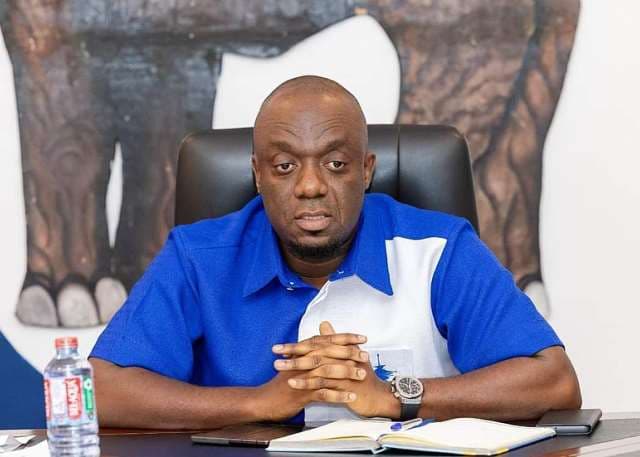
Journalist Manasseh Azure Awuni has criticised the one-year prison sentence handed to TikToker Camilla Alhassan, arguing that while her comments about President John Dramani Mahama were offensive and defamatory, they did not amount to a criminal offence punishable by imprisonment.
Camilla Alhassan was sentenced by the Accra Circuit Court after pleading guilty to charges of offensive conduct and the publication of false news on social media.
The case followed videos she posted alleging, without evidence, that President Mahama buried 32 cows as part of rituals to secure victory in the 2024 presidential election.
The court accepted her guilty plea and delayed sentencing pending a pregnancy test before eventually handing down a one-year jail term.
Reacting to the conviction in a Facebook post, Mr Azure said the TikToker’s statements were unacceptable but argued that defamation should not be treated as a criminal offence.
He wrote:
“The court has sentenced TikToker Camilla Alhassah to one year in prison. The official charges are offensive conduct and the publication of false news against the president. That’s what those defending the conviction are emphasising.
However, the content of her publication is mainly defamatory. She defamed the president. Defamatory comments or publications are usually false, since truth is a defence in defamation.
Do I support what she said about the president?
No. It’s condemnable.
Are they false?
To the extent that she could not prove them in court, then they are false.
But it is not enough to be jailed for publishing false news. That information should provoke fear and alarm. That’s what the law says.
For instance, if the chairman of the Parliament’s Finance Committee and board member of the Bank of Ghana makes a false and alarming claim about the inability to withdraw funds from dollar accounts, that information could trigger panic that could affect the cedi.
An obscure blogger had earlier been jailed for similar claims.
However, the MP was not arrested. The Central Bank issued only a statement saying his statement was false.
Yet, some serious comments that actually cause fear and alarm do not attract arrests, because of the people who utter them.
From what I’m reading, including from those knowledgeable in law, the TikToker’s conduct is defamatory, which isn’t a criminal or jailable offence.
What she said is reprehensible, but not criminal. If such foolishness were to be criminalised, we wouldn’t have enough prisons to contain people.
In recent times, I have written extensively about these things and do not have much to add, except to express my disappointment in the judicial system that is going this way.
It is unfortunate that some judges are capitulating to frivolous charges and passing these sentences.
This is not good for our democracy.”
Mr Azure said the conviction raised concerns about free speech and the state of Ghana’s democracy, warning that those celebrating such decisions today could become victims of similar actions in the future.
He also referenced reactions from social media users who compared Ghana’s handling of the case with other countries and questioned the impact on the country’s democratic reputation.
The case has sparked public debate over the balance between protecting individuals from false claims and safeguarding freedom of expression.