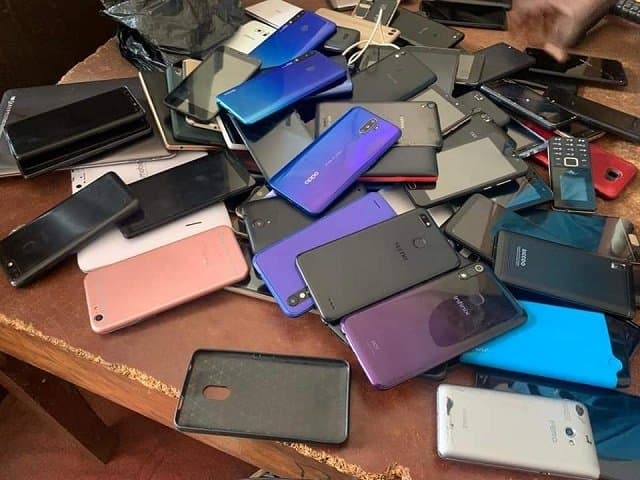
Losing a mobile phone in Ghana may soon stop being a permanent loss. In fact, it will be a thing of the past as the thief can no longer use the phone.
The National Communications Authority (NCA) is working on a system that will allow stolen phones to be blocked across all mobile networks in the country. Once blocked, the device cannot be used for calls, data or SIM services, making it practically useless to anyone who steals it.
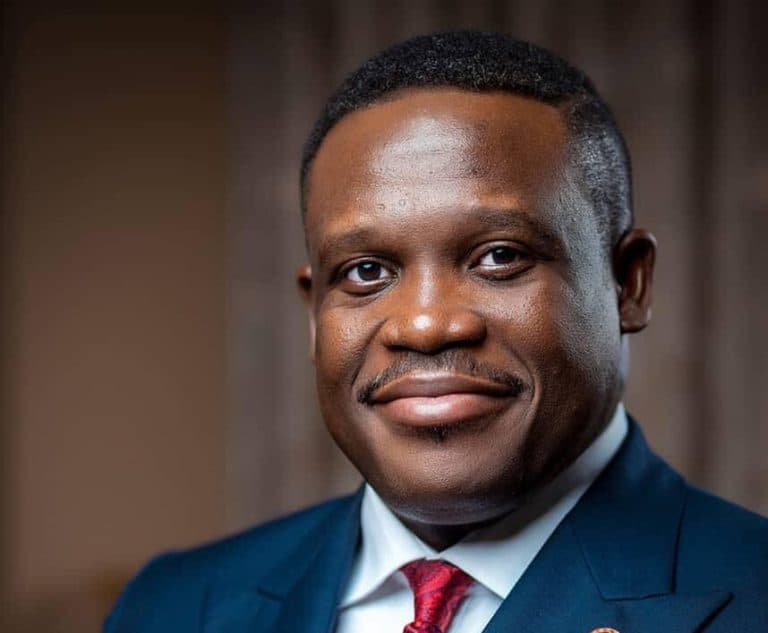
The Director-General of the NCA, Ing. Edmund Yirenkyi Fianko, says the plan is part of broader efforts to reduce phone theft and strengthen trust in Ghana’s telecommunications ecosystem.
Speaking on Good Morning Ghana on Metro TV, he explained that the authority intends to establish a centralised equipment identity register that will track devices using their unique identification numbers.
“So we intend to establish a centralised equipment identity register,” he said.
Why stolen phones remain usable
At the moment, people whose phones are stolen can only block their SIM cards. The device itself can still be used by someone else once a new SIM card is inserted.
“Today, if your phone is stolen, you don’t have a mechanism… somebody can just remove your SIM and use it,” Mr Fianko said.
This gap has made mobile phone theft attractive to criminals since stolen devices can easily be reused or resold.
The NCA believes the new system will close that loophole.
How the system will work
Every mobile phone has a unique number called the IMEI, which identifies the device on telecom networks.
Under the new system, this identity will be recorded in a central database accessible to mobile networks in the country.
If a phone is stolen and reported, the device can be blocked using its IMEI number. Once blocked, the phone will no longer function on any network in Ghana.
“With a centralised equipment identity register, you can also have modalities for you to be able to block the phone,” Ing. Fianko said.
He explained that the aim is to discourage phone theft by removing the incentive.
“If you steal a phone and you can’t use it, it is a disincentive,” he said.
Linked to SIM registration
The planned system will also be connected to the national SIM registration database.
According to the NCA boss, once SIM cards are properly registered, authorities can link phone numbers and devices to specific individuals. This will strengthen accountability and assist law enforcement when investigating crimes involving mobile devices.
“We are going to link that to the SIM registration,” he said.
Safeguards against abuse
The NCA says it is also considering safeguards to prevent people from misusing the system by falsely reporting phones as stolen.
Ing. Fianko acknowledged that without proper controls, someone could attempt to block another person’s phone.
“We also don’t want people to take advantage of that and abuse it,” he said.
The authority is therefore working on regulations to guide how reports are verified before a device is blocked.
Legal framework in progress
To support the initiative, the NCA is preparing a legislative instrument that will govern number regulations and the proposed device identity system.
Stakeholder consultations are already underway before the regulations are submitted to Parliament.
Once implemented, the system could significantly reduce phone theft and give mobile users greater confidence that their devices cannot easily be reused if stolen.
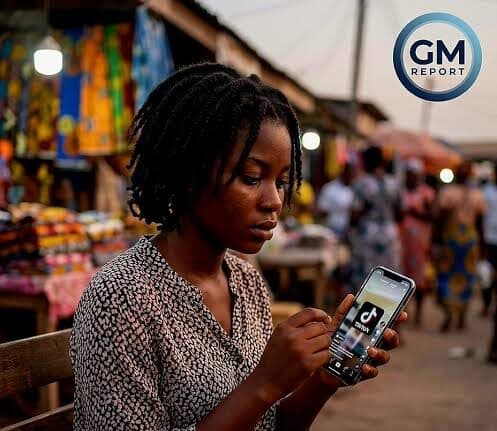
For many Ghanaians who rely heavily on their phones for communication, banking and work, the policy could change how phone theft is handled in the country.