Every year on May 17, the world observes World Hypertension Day to raise awareness about one of the deadliest yet most overlooked health conditions, hypertension, commonly known as high blood pressure.
Often referred to as the “silent killer,” hypertension develops quietly, usually without obvious symptoms, while gradually damaging vital organs such as the heart, brain, kidneys, and eyes. Millions of people across the world are living with the condition unknowingly, increasing their risk of stroke, heart attack, heart failure, and kidney disease.
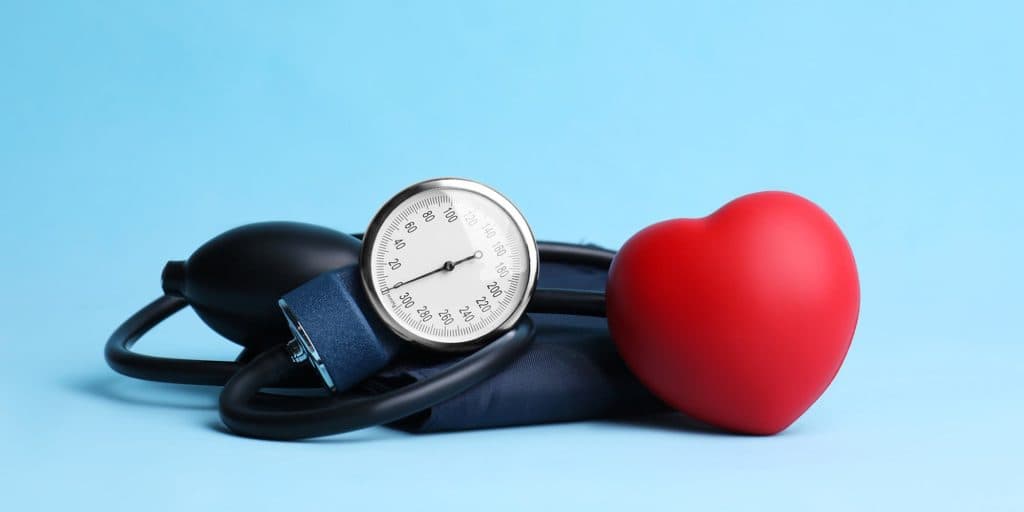
According to health experts, blood pressure measures the force of blood pushing against the walls of the arteries. When that pressure remains consistently high, it places excessive strain on the body’s cardiovascular system.
One of the biggest challenges with hypertension is that many people feel perfectly healthy even when their blood pressure is dangerously elevated. Because symptoms may not appear until severe complications occur, routine screening remains the most effective way to detect the condition early.
Doctors warn that uncontrolled hypertension can lead to severe health complications, including stroke, heart disease, kidney failure, vision loss, and cognitive decline. In many developing countries, including Ghana, hypertension cases continue to rise due to changing lifestyles, unhealthy diets, stress, physical inactivity, alcohol consumption, and smoking.
Medical experts say several factors increase the likelihood of developing hypertension. Excessive salt intake, obesity, lack of exercise, family history, chronic stress, smoking, and excessive alcohol consumption are among the leading causes associated with the condition. Although older adults remain at greater risk, younger people are increasingly being diagnosed due to sedentary lifestyles and poor eating habits.
Health professionals insist that hypertension can be prevented and controlled through healthy lifestyle choices and regular medical check-ups. They encourage the public to eat balanced meals rich in fruits and vegetables, reduce salt intake, exercise regularly, avoid smoking, limit alcohol consumption, manage stress effectively, and monitor blood pressure consistently.
For people already diagnosed with hypertension, doctors advise strict adherence to prescribed medication and routine medical reviews to avoid life-threatening complications.
This year’s observance of World Hypertension Day serves as a reminder for governments, health institutions, and individuals to prioritize regular blood pressure checks and public education campaigns aimed at reducing cardiovascular diseases.