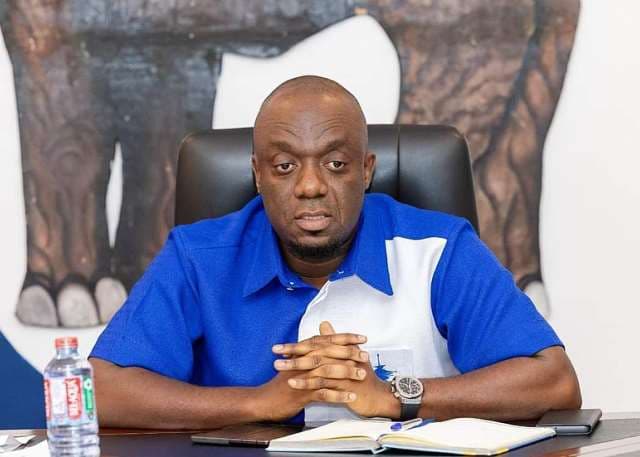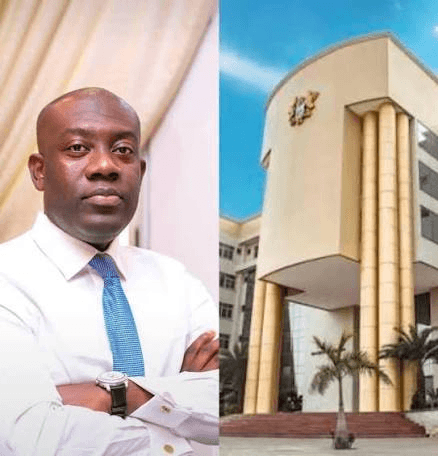
The Supreme Court has thrown out an application by Ofoase-Ayirebi MP Kojo Oppong Nkrumah seeking to halt selected criminal trials during the ongoing legal vacation — clearing the way for the cases to proceed.
Justice Gabriel Pwamang, sitting as a single judge of the apex court, ruled on Friday, August 21, 2026, that the applicant had failed to establish sufficient grounds for an interlocutory injunction.
Criminal cases assigned to sit during the legal vacation can now continue under administrative warrants issued by Chief Justice Paul Baffoe-Bonnie.
The ruling does not, however, settle the substantive constitutional case filed by Oppong Nkrumah, which remains pending before the Supreme Court.
The former Information Minister is challenging the legality of the Chief Justice’s decision to authorise selected High Court judges to hear criminal matters during the legal vacation, which runs from August 1 to September 30.
He argues the directive breaches Articles 17 and 296 of the 1992 Constitution and creates an environment of selective justice. He had asked the court to suspend the administrative warrants until the substantive case is finally determined.
Among the criminal proceedings affected are the trials of:
- Former National Signals Bureau Director-General Kwabena Adu-Boahene and his wife
- Former NAFCO CEO Hanan Abdul-Wahab and other accused persons
Counsel for Oppong Nkrumah, Frank Davies, said the legal team respected the court’s decision and would review the written ruling before deciding on next steps.
“When you come to court, you come with the expectation that your application may either be granted or refused. The judge has made a determination, and we respect that,” he told journalists after the hearing.
Davies said lawyers have a duty to respect judicial decisions even when they disagree with them.
“It is not our place as lawyers to condemn a judge because a ruling has gone against our client. At most, we can critique the reasoning within the confines of the law,” he said.
He confirmed the team had applied for a certified true copy of the ruling and would study the court’s reasoning before advising their client.
“For now, we will abide by the decision of the court. Once we receive the written ruling, we will examine it thoroughly and appropriately advise our client,” he added.
With the injunction dismissed, the selected criminal trials will continue through the legal vacation. But the bigger constitutional question is still unresolved — the Supreme Court has yet to hear and determine the substantive suit, a ruling that will ultimately decide whether the Chief Justice’s administrative warrants comply with the 1992 Constitution.