
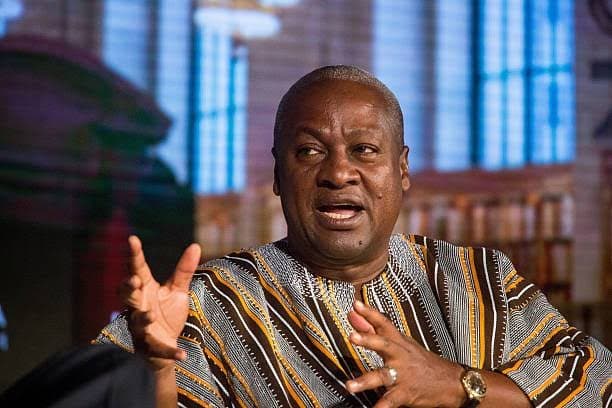
Ghana’s push towards industrialisation has received renewed momentum as the 2026 Kwahu Business Forum opens in Mpraeso, bringing together key stakeholders to drive manufacturing, enterprise growth, and job creation.
Delivering the convener’s address, Chief of Staff, Julius Debrah, underscored the Forum’s evolving role, describing it as a platform for tangible economic action rather than mere dialogue.
“This Forum is not about talk, it is about action. It is where policy meets practice, where capital meets creativity, and where ambition meets execution,” he stated.
The annual Easter gathering has attracted top government officials, investors, entrepreneurs, and development partners, reflecting efforts to strengthen collaboration between the public and private sectors.
The initiative forms part of the broader economic agenda of President John Dramani Mahama, aimed at repositioning the country towards sustainable growth through industrial expansion.
Mr Debrah stressed the need for Ghana to transition from a trading economy to a production-driven one, warning that continued dependence on raw material exports undermines long-term development.
“Ghana must produce more of what it consumes, process more of what it grows, and build industries that compete beyond our borders,” he emphasised.
He noted that industrialisation remains a critical pathway to addressing youth unemployment, highlighting the sector’s potential to create jobs across multiple value chains, including agriculture, logistics, engineering, finance, and technology.
The Chief of Staff also called for stronger partnerships between government and businesses, urging both sides to play their respective roles in building a resilient economy.
While government focuses on policy direction, infrastructure, and a stable business environment, he challenged the private sector to invest, innovate, and scale up operations.
“This is a shared mission. Government and enterprise must work together to build a stronger, more productive Ghanaian economy,” he said.
Mr Debrah further encouraged established business leaders to mentor emerging entrepreneurs to ensure continuity and inclusive growth.
“Those who have built must help others build. That is how nations create continuity and shared prosperity,” he added.



