
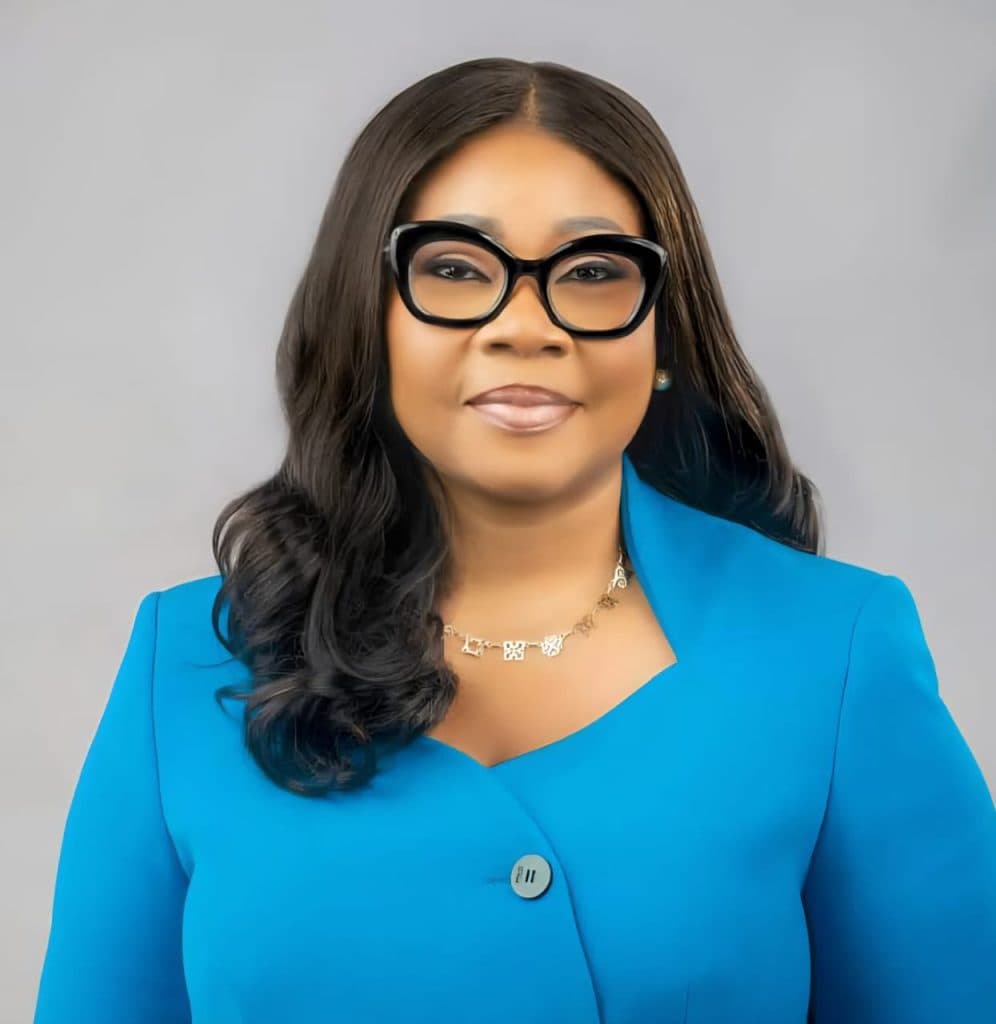
The Second Deputy Governor of the Bank of Ghana, Matilda Asante-Asiedu, has raised concern over what she describes as Africa’s underutilised financial strength, warning that fragmented markets across the continent are preventing the effective mobilisation of over $1 trillion in domestic capital for development.
Speaking on the state of Africa’s financial architecture, she stressed that despite the continent holding vast pools of wealth in pensions, capital markets, savings, and remittances, these resources remain poorly structured and are not being directed into long-term productive investments.
According to her, Africa’s financial system holds significant untapped potential, but weak coordination among markets is limiting growth opportunities. She noted that the continent currently has more than 30 stock and bond markets, yet they operate in isolation rather than as a unified system capable of supporting cross-border investment.
She explained that this fragmentation creates a major barrier to capital flow within Africa. “If you take the stock markets for instance, there are over 30 stock markets and bond markets in Africa, but they are not structured,” she noted, adding that under a more integrated system, investors in one country could meaningfully participate in opportunities across others. “From Ghana, I cannot go and borrow from the stock markets in Kenya, but if that was properly structured, I could actually be borrowing from Kenya,” she said.
Matilda Asante-Asiedu further emphasised that deeper financial integration would ensure mutual benefit across the continent, explaining that cross-border participation would allow investors to earn returns while supporting economic growth in other African economies.
She stressed that unlocking this potential requires deliberate policy action, stronger political will, and coordinated leadership from economic stakeholders. “It’s about pulling resources, looking inward and building the resilience that the continent needs,” she said.
In the context of growing global economic uncertainty, she warned that Africa must prioritise internal strength and resilience. “For Africa to build resilience, Africa has to begin to look inward, because we all know what is happening geopolitically in the economies of the world,” she noted.
She added that while Africa’s financial base is substantial—estimated at over $1 trillion across investment and savings channels—the key challenge remains its failure to channel these funds into long-term development projects that can drive sustained economic transformation.
Her remarks have reignited discussions around the need for deeper capital market integration and financial system reform across Africa to unlock the continent’s full economic potential.



