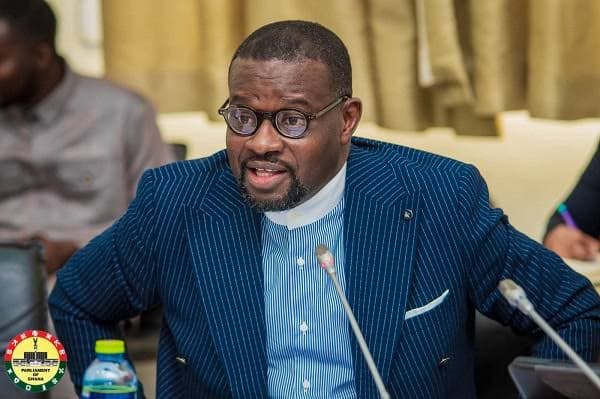
The Member of Parliament for Nsawam-Adoagyiri and Minority Chief Whip, Frank Annoh-Dompreh, has called for Ghana to introduce legislation that criminalises ecocide, warning that large-scale environmental destruction must attract serious criminal sanctions.
Speaking on the floor of Parliament, he said the issue goes beyond politics or economic considerations and should be treated as a national responsibility to protect ecosystems.
“Honourable Speaker, I rise today with a profound sense of urgency and responsibility to speak on a matter that transcends partisan politics, economic growth, and short-term development agendas,” he said. “I speak to the need for legislative action against ecocide, the mass destruction of ecosystems.”
He explained that ecocide refers to severe environmental damage caused knowingly or through reckless actions. According to him, the concept has already gained legal traction in several countries.
“Ecocide refers to unlawful or wanton acts committed with knowledge that there is a substantial likelihood of severe and either widespread or long-term damage to the environment,” he said, citing a definition by experts convened by Stop Ecocide International.Annoh-Dompreh noted that the current framework of the International Criminal Court under the Rome Statute of the International Criminal Court recognises genocide, crimes against humanity, war crimes and aggression, but does not yet include ecocide as a crime during peacetime.
He argued that this gap creates a situation where corporations, governments and individuals can cause large-scale environmental damage without facing significant criminal liability.
To illustrate the scale of the problem, he pointed to the environmental devastation in the Niger Delta, where thousands of oil spills over several decades have damaged land, water sources and public health.
“Such destruction is paradigmatic of ecocide,” he said.
Annoh-Dompreh told Parliament that momentum is growing globally to criminalise ecocide. Countries such as Belgium, France, Chile and Ecuador have already incorporated the concept into their domestic laws, while others including Brazil and India are considering similar proposals.
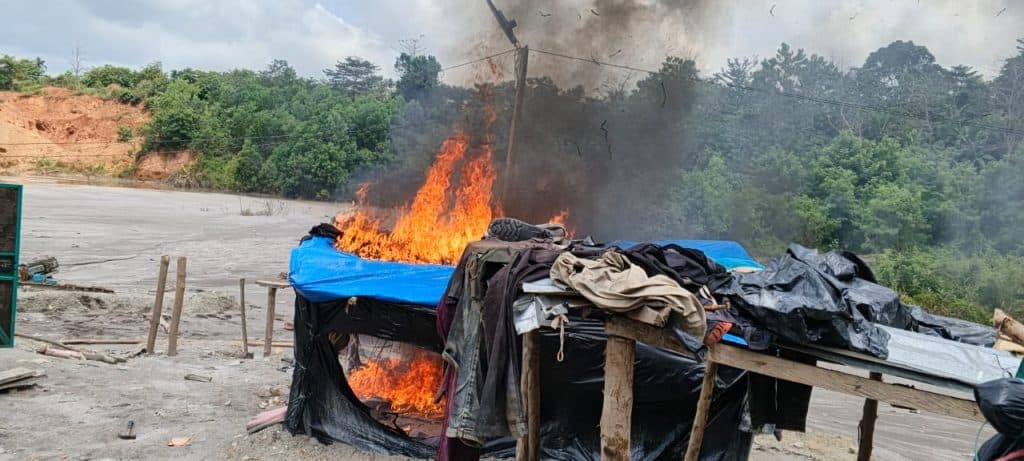
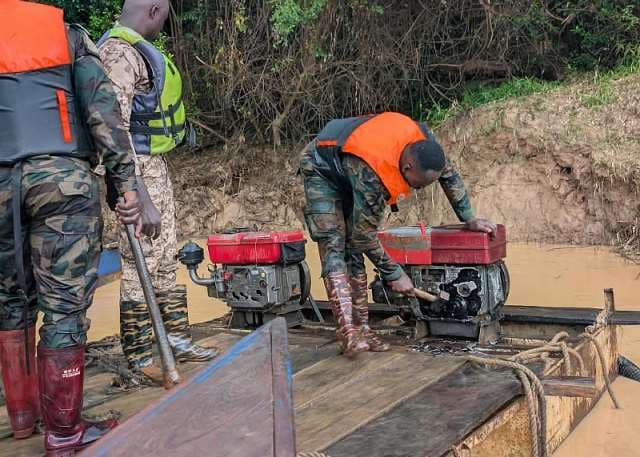
He said Ghana has strong reasons to act, particularly because of the environmental damage caused by illegal mining, widely known as galamsey.
“As a country affected by deforestation, illegal mining and water pollution, Ghana’s ecosystems are under severe stress,” he said. “Recent reports indicate that up to 60 percent of our water bodies have been polluted by illegal mining.”
The lawmaker added that criminalising ecocide would strengthen the country’s moral and legal responsibility to protect the environment for future generations.
“Environmental stability is foundational to food security, human health and sustained economic development,” he said. “The consequences of ecological damage are intergenerational. They affect our children, their livelihoods and their right to a healthy environment.”
He proposed that Ghana should pass a standalone law defining ecocide and setting clear thresholds for environmental damage, while also strengthening enforcement by agencies such as the Environmental Protection Agency (Ghana).
He also urged Ghana to support international efforts to include ecocide as a fifth global crime under the Rome Statute.
“Protecting our ecosystems is not an optional policy. It is a fundamental commitment to future generations,” he said.
Annoh-Dompreh further welcomed recommendations by the Constitutional Review Committee that propose the creation of a national crime of ecocide, urging swift action to translate the proposal into law.