Minority Leader in Parliament, Alexander Afenyo-Markin, has defended the performance of the opposition in Parliament, insisting that the caucus has been constructive despite criticism that it is overly combative.
Responding to claims that the Minority is engaging in unnecessary opposition to government policies, he maintained that their actions reflect the concerns of ordinary Ghanaians.
“We have been very constructive in our dealings with national issues. Any objective observer would see that,” he said.
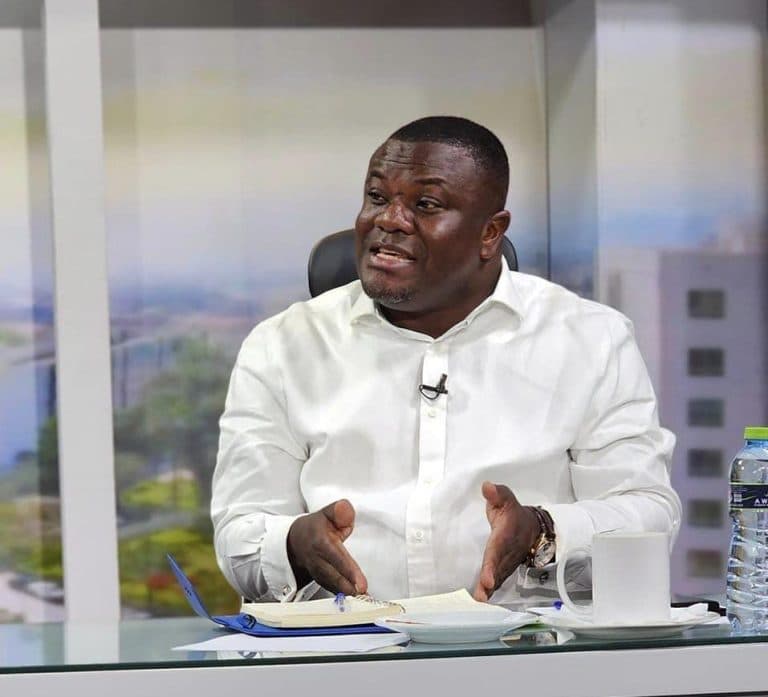
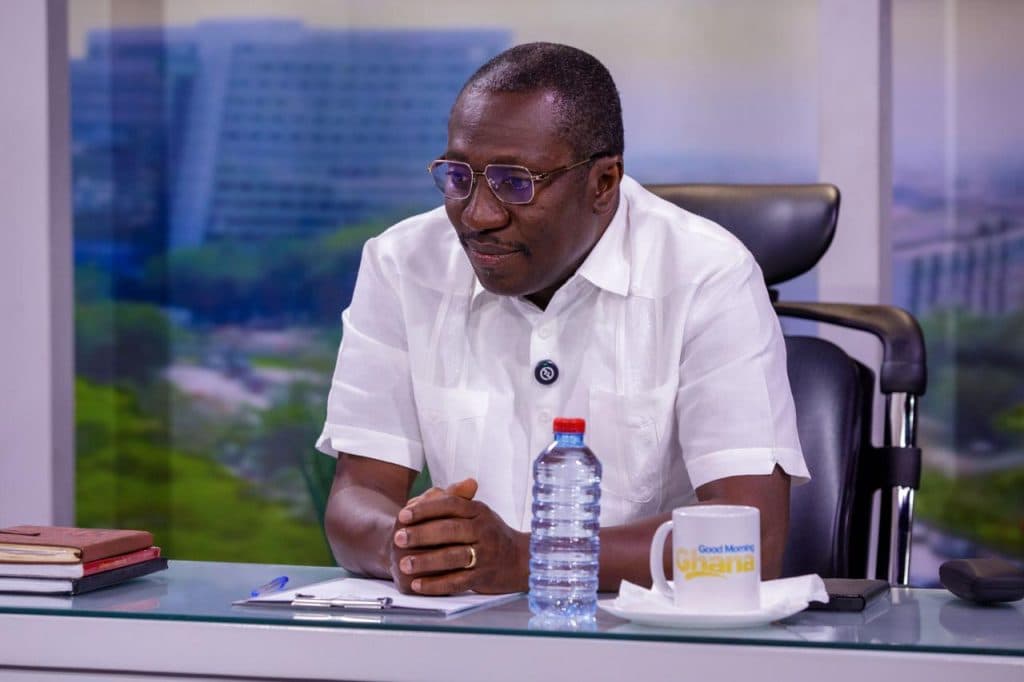
Speaking on Metro TV’s Good Morning Ghana, Afenyo-Markin argued that many of the issues raised by the Minority stem from stakeholder concerns, particularly within the agricultural and business sectors.
He cited challenges in local rice production, claiming that government procurement practices are favouring imported rice over locally produced alternatives, thereby undermining farmers.
He also accused the governing National Democratic Congress of policy inconsistencies, noting that programmes they criticised while in opposition, such as buffer stock interventions, are still being implemented.
“They condemned these policies when they were in opposition, but today they are continuing them,” he said.
On economic matters, Afenyo-Markin pointed to rising electricity tariffs and changes in the tax regime as evidence of increased financial pressure on citizens.
He argued that while certain levies have been removed, they have effectively been replaced by other cost burdens.
The Minority Leader rejected suggestions that his side fails to acknowledge positive government initiatives, instead accusing the NDC of having taken a similar stance during the administration of former President Nana Addo Dankwa Akufo-Addo.
“They never supported even major policies like Free SHS when it was introduced,” he said.
Looking ahead to the 2028 general elections, Afenyo-Markin said the New Patriotic Party will rely on hard work, strategic reorganisation, and rebranding to regain power.
He added that the party will highlight its achievements in government while presenting alternative solutions that resonate with voters.
“Our focus is on hard work, re-strategising, and letting Ghanaians appreciate what we did in office,” he stated.
On the issue of reparations for the transatlantic slave trade, Afenyo-Markin clarified his position, expressing support for calls for justice while urging a broader reflection on historical responsibility.
“I support the reparations agenda fully,” he said. “But we must also acknowledge that some Africans played roles in the trade. That part of history must not be ignored.”
His comments come amid ongoing public debate over historical accountability and Africa’s stance on reparations.
Afenyo-Markin concluded by reiterating the Minority’s commitment to national development, stressing that opposition does not equate to obstruction.
“The fact that we are in opposition does not mean we want the country to fail. We want a better Ghana,” he said.