
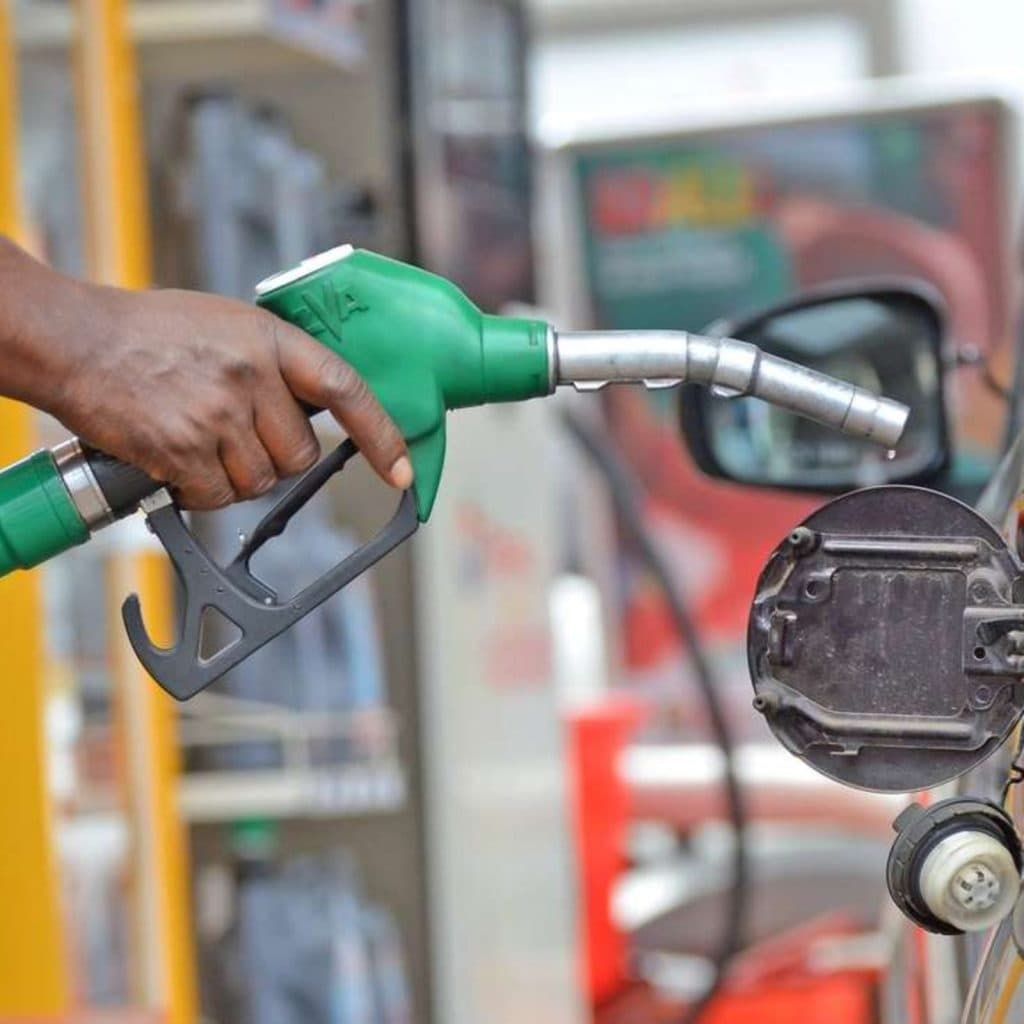
The Minority in Parliament has called on the government to scrap the controversial GH₵1 levy imposed on petroleum products, arguing that the levy no longer serves its original purpose and is exacerbating the financial burden on Ghanaians.
Collins Adomako Mensah, the Deputy Ranking Member of the Energy Committee, made the call, highlighting the devastating impact of rising fuel prices on citizens. The global tensions surrounding Israel, the United States, and Iran have caused global crude oil prices to surge, directly affecting the price of fuel in Ghana. The Minority claims the GH₵1 levy, introduced under the Energy Sector Levy’s Amendment Act of 2025, is an unfair financial strain on the average Ghanaian, especially when fuel prices continue to climb.
“Keeping the one Ghana Cedi levy is pure punishment,” Mensah said, urging the government to repeal the levy immediately and urgently review all other taxes and levies embedded in fuel prices.
As of the second pricing window in March 2026, the cost of diesel has reached GH₵15.60 per litre, and petrol has surpassed GH₵12.40 per litre. The Energy Sector Levy added approximately GH₵1 to the price build-up for both fuels, bringing the total tax burden to GH₵1.95 for petrol and GH₵1.93 for diesel.
The Minority argues that the initial justification for the GH₵1 levy—to help repay debts and address sector shortfalls—has disappeared. According to Mensah, the government has already cleared the energy sector’s debt, repaying around $1.47 billion between January and December 2025. This includes paying GH₵597 million to the World Bank as part of the partial risk guarantee and settling all pending gas invoices. With these debts cleared and the guarantee restored, there is no longer a justification for maintaining the levy.
The Minority has called on the government to act swiftly, under a certificate of urgency, to repeal the levy and conduct a comprehensive review of the entire taxation system surrounding petroleum products.



