Greater Accra’s sanitation crisis cannot be solved by building more drains and waste facilities if residents continue to dump refuse indiscriminately, the Regional Coordinating Council has warned.
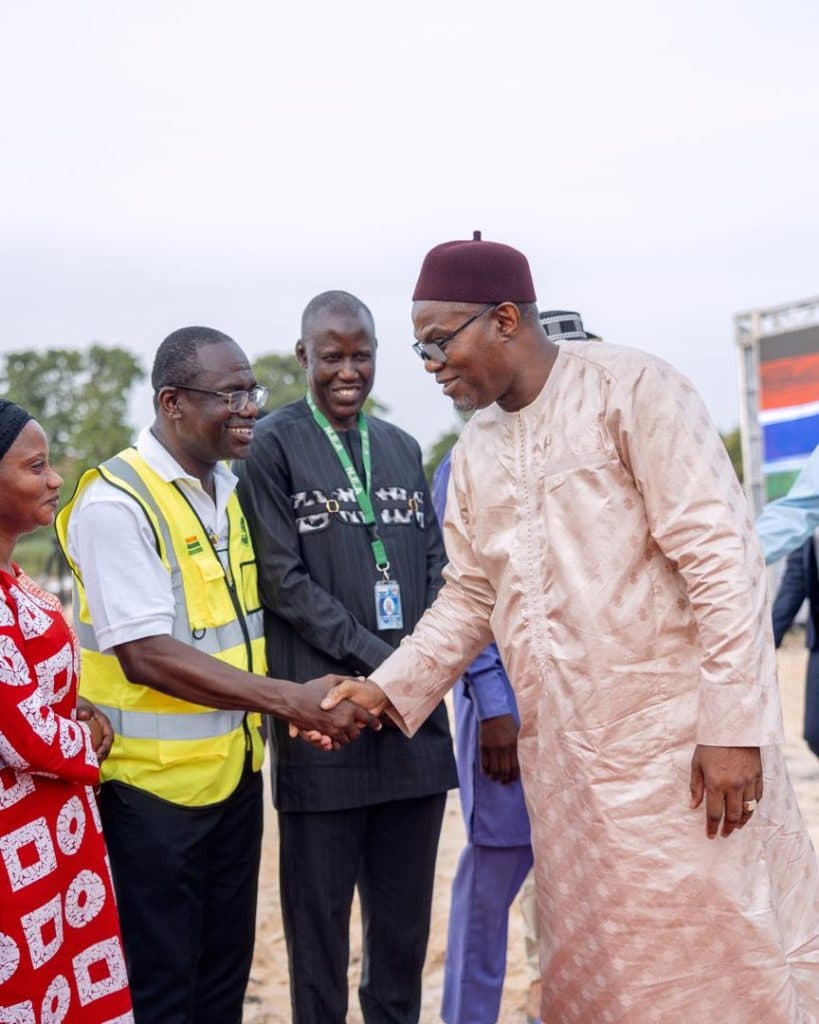
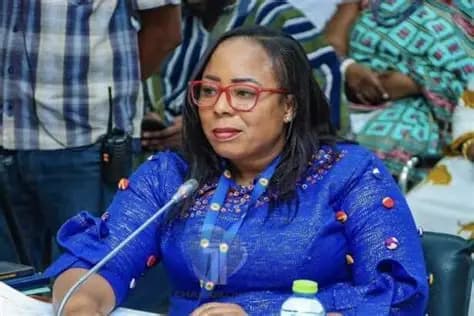
The warning was delivered by Okaikwei North MCE Christian Tetteh Badger on behalf of the Greater Accra Regional Minister Linda Obenewaa Akweley Ocloo at the Clean Conference organised by Ignite Media Group.
Mr Badger said the region’s sanitation problems were being worsened by irresponsible behaviour among residents, businesses and institutions.
“We cannot build enough drains to compensate for the irresponsible environmental practices,” he said.
He argued that while government and local assemblies have a responsibility to provide infrastructure and enforce sanitation laws, residents must also take responsibility for the condition of their surroundings.
“We cannot expect our communities to remain clean if people continue to dump refuse into drains, streets, and open spaces,” he added.
According to him, sanitation must become part of the everyday behaviour of residents rather than an activity undertaken only when authorities organise clean-up exercises.
“Citizens should not wait for government to announce a special sanitation day before they clean their surroundings. The responsibility begins with each of us, in our homes, workplaces, and communities,” he said.
Behaviour change at the centre
Mr Badger identified behavioural change as one of five areas that must guide efforts to address sanitation challenges in the region.
The other areas are prevention, collection, recovery and enforcement.
He said infrastructure alone would not resolve the problem unless residents also changed how they treated waste.
“Infrastructure alone would not solve our sanitation problem if our attitudes remain unchanged,” he stated.
He called on households, businesses, schools, churches, mosques, markets and other institutions to make cleanliness part of their daily activities.
“Cleanliness must become a culture,” he said.
The MCE also urged traditional and religious leaders, community leaders, civil society organisations and the media to play a greater role in influencing public behaviour and promoting environmental responsibility.
Flooding linked to sanitation
Mr Badger linked the sanitation crisis directly to flooding in Greater Accra, pointing to the June 29, 2026 disaster as a reminder of the consequences of poor environmental management.
“When waste is dropped into drains, drainage channels become blocked. When drains are blocked, flooding becomes more likely during heavy rains,” he explained.
He said the region must therefore stop treating sanitation simply as a waste management problem.
“Sanitation is a public health issue. It is an environmental issue. It is an economic issue. Above all, it is a development issue,” he said.
Mr Badger called for a shift from simply collecting and disposing of waste towards preventing waste generation, separating waste at source, recycling, reusing and recovering materials.
He said waste could become an economic resource if supported by technology and investment.
“Waste should not always be viewed as something to be thrown away. With high technology and investment, waste can become a resource that creates jobs, supports entrepreneurship, and drives innovation,” he said.
He urged Greater Accra residents to recognise that their individual actions have consequences for the wider region.
“Cleanliness cannot be achieved by government alone. It must become a shared value and a shared responsibility,” he said.