The New Patriotic Party (NPP) lost the 2024 general election largely because of its own internal problems and not because the National Democratic Congress (NDC) did anything “extraordinary,” the party’s Director of Communications, Richard Ahiagbah, has said.
Mr Ahiagbah said unresolved internal grievances, apathy among party members, parallel structures and the personalisation of the party weakened the NPP ahead of the 2024 polls.
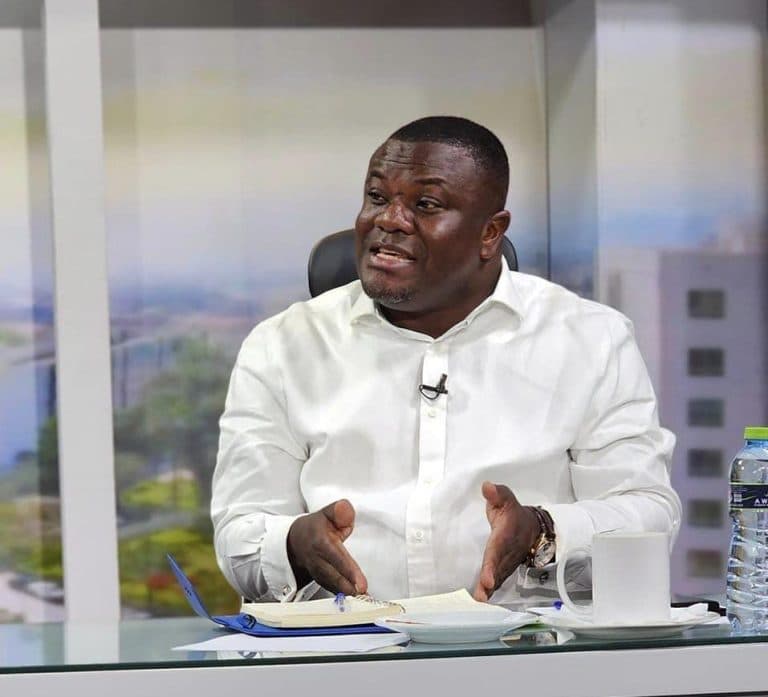
Speaking on Metro TV’s Good Afternoon Ghana on Monday, August 17, he said the party failed to adequately address concerns that emerged from its parliamentary primaries and other internal contests.
“In 2024, the NDC didn’t do anything extraordinary,” Mr Ahiagbah said.
He explained that some NPP members who felt sidelined after the party’s internal elections eventually became disengaged, affecting the party’s ability to mobilise its supporters.
“We knew there were some internal matters flowing from parliamentary primaries, flowing from opportunities that people wanted and they didn’t get and so that coldness actually became part of the party’s problem that you need to deal with,” he said.
According to him, the party also failed to effectively manage parallel structures and instances where individuals allegedly made the party about themselves rather than focusing on strengthening its grassroots base.
“People have made the party about them instead of focusing where their attention ought to be,” he said.
Mr Ahiagbah said the consequences of these internal weaknesses became evident in the level of apathy within the party, with some members choosing not to vote in the 2024 election.
He said the NPP’s defeat should therefore be viewed as a collective organisational failure rather than simply attributing it to the NDC’s campaign or electoral strategy.
He further pointed to the experience of the party during the 2023 Assin North by-election as an example of the discontent that had developed at the grassroots.
Mr Ahiagbah believes the lesson for the NPP ahead of 2028 is to rebuild its grassroots structures and resolve internal grievances well before the next election.
“Our foundation was weakened, and we thought that the building was still strong,” he said.
He argued that the party must now invest more resources in constituencies and polling stations and maintain regular engagement with members instead of waiting until an election is approaching.
According to him, the NPP’s current reorganisation is intended to address some of these weaknesses and restore confidence among its grassroots supporters.
He said the party must ensure that decisions are taken closer to the people who understand the challenges within their constituencies and communities.
“A lot of the decisions that ought to have been taken to deal with the internal issues were deferred to Accra,” he said.
Mr Ahiagbah said empowering the constituencies and regions to resolve their own challenges would help create the internal stability needed for the NPP to regain power in 2028.
He added that the party could have secured another electoral victory if it had properly managed its internal affairs after winning the 2016 and 2020 elections.
“The New Patriotic Party can win successive elections if we manage our affairs well,” he said.