
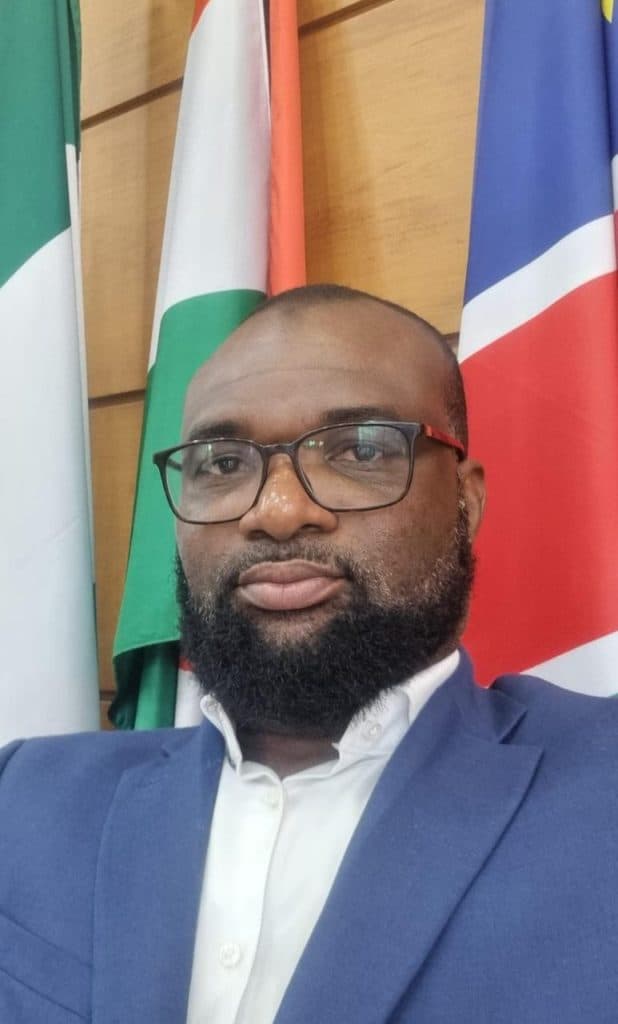
National affairs and economic development analyst Shepherd Ali has called on Ghana’s religious leaders to take a more active role in tackling the growing culture of political insults in the country.
He wants the Christian Council and the Office of the Chief Imam to use their influence to educate their followers and help discourage abusive language in political and public discourse.
Speaking on Metro TV’s Good Afternoon Ghana on o, September 4, Mr Ali said religious institutions could play an important role in changing attitudes towards insults, particularly among young people.
“The silence is not helping. The silence is not helping. People should come out,” he said.
He specifically appealed to the Christian Council to make the issue part of sermons and discussions in churches.
“I want to use this platform to appeal to the Christian Council. They should come out on it. Get most of their preachers to go on it on their Sunday services. Talk to the people. Talk to their church members,” he said.
Mr Ali also called on the Chief Imam to speak directly to Muslim communities about the need for respectful communication.
“I want to appeal to the office of the chief imam. He has to come out with his voice. Speak loudly to the community of Muslims,” he said.
According to him, religious teachings already provide a basis for discouraging abusive speech and promoting peaceful relations.
“So there is a lot for all of us to do to make sure that the insult culture is silent because it’s not helping our democracy,” he said.
Insults competition
Mr Ali believes the problem has gone beyond political disagreements, with insults increasingly becoming part of how public figures and commentators attract attention.
“It is becoming, it’s becoming so bad that now people are not competing for knowledge. People are competing for those who can insult more,” he said.
He argued that the growing focus on abusive commentary is taking attention away from discussions that could educate citizens about national issues.
“But we are now feeding on the insult which is not helping us which over time can create a very chaotic situation,” he added.
Mr Ali said Ghana’s democratic system allows people to disagree and defend opposing positions, but that freedom should not be used to justify personal attacks.
“Ghana is doing well when it comes to our democracy. But what is now eating in our fabric of democracy, which is the culture of insult that we are infusing it, is the danger,” he said.
He therefore urged Ghanaians to make constructive debate the norm and ensure that young people do not grow up seeing insults as an acceptable part of political engagement.
“Let it be a discussion so that we all get our young ones who are coming up there not to appreciate this insult,” he said.