
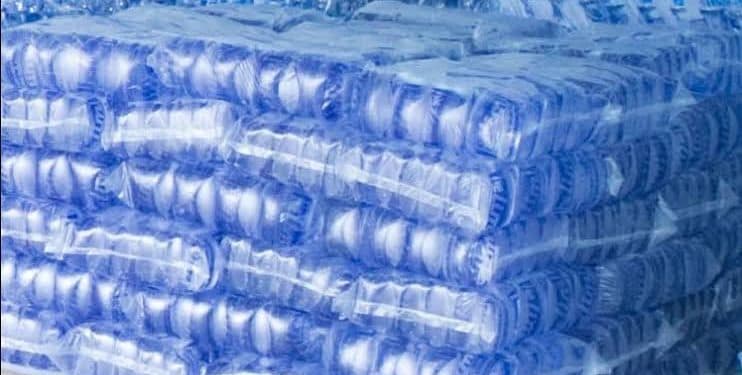
The National Association of Sachet and Packaged Water Producers (NASPAWAP) has announced a significant price hike for sachet water. Effective from Monday, April 6, 2026, the price of a bag containing 30 sachets (500ml each) will rise to GH¢15.
This price increase is a direct response to the growing challenges faced by manufacturers in the face of global supply chain disruptions and the ongoing conflict in Iran, which has severely impacted the availability of essential materials, particularly polymers used in packaging. NASPAWAP explained that these factors have led to rising production costs, making it difficult for producers to maintain the current pricing structure.
New Sachet Water Pricing:
Ex-factory price: GH¢8 per bag of 30 sachets
Ex-truck price: GH¢10 per bag of 30 sachets
Maximum retail price: GH¢15 per bag of 30 sachets
This price increase, while necessary, aims to ensure the sustainability of production and the continuity of safe drinking water supply in Ghana. NASPAWAP is urging both retailers and consumers to adhere to the revised prices to help maintain fair trade practices across the sector.
The global shortage of polymers, combined with ongoing economic instability due to geopolitical tensions, has forced manufacturers to contend with higher production costs. This includes the rising prices of raw materials, fuel, and transportation costs. The conflict in Iran has further complicated the situation, as it has disrupted supply chains for critical materials used in the water packaging process.
As a result, manufacturers are struggling to maintain current price points without compromising the quality of the water or the safety standards consumers expect.
NASPAWAP has called on retailers and consumers to follow the updated price guidelines to maintain fair trade practices across the industry. Retailers are encouraged to adjust their pricing accordingly, while consumers are urged to be mindful of the price changes when purchasing sachet water.
The association stresses that this price revision is a necessary step to ensure that sachet water production remains sustainable and that the supply chain is not disrupted.



