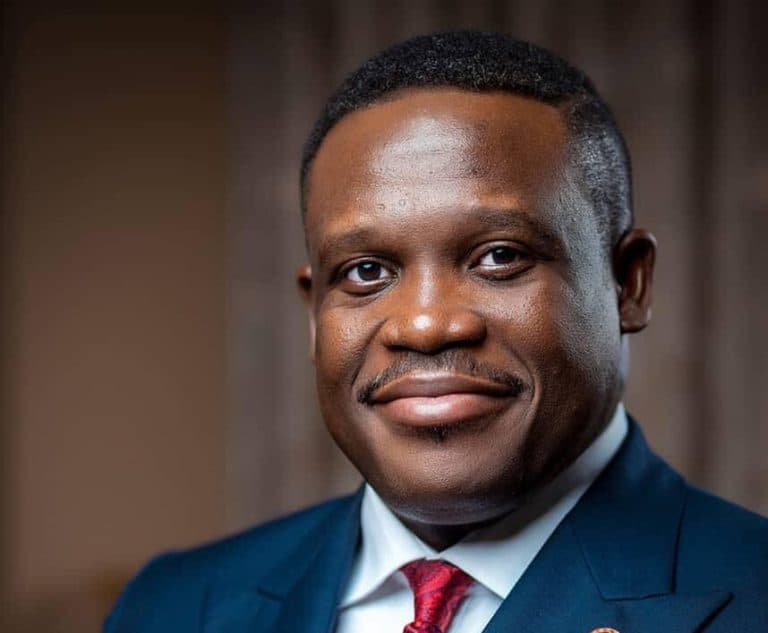
A digital marketing strategist, Maximus Ametorgoh, has questioned the need for a fresh SIM card registration exercise, arguing that Ghana can resolve existing challenges by validating data already collected rather than repeating the entire process.
Speaking on Metro TV’s Good Afternoon Ghana on Tuesday, March 24, 2026, Mr Ametorgoh said the proposed exercise risks wasting resources when a more efficient option exists.
“For me as a Ghanaian, I think that we should find a way of validating the already registered SIM cards and then where there are loopholes or mismatches, we correct those ones instead of running the whole thing all over again,” he said.
His comments come after the Minister for Communications, Digital Technology and Innovations Samuel Nartey George defended the planned exercise, insisting it is necessary to address gaps identified in previous registrations.
But Mr Ametorgoh disagrees, insisting the exercise is, in effect, a re-registration.
“We should not beat about the bush as to the name that we will give it. What we are going to do all over again is the registration of SIM cards. So it is a re-registration,” he stated.
He also raised concerns about cost implications, warning that even if the government does not directly fund the process, consumers will ultimately bear the burden.
“The cost will be borne by somebody and it is the telcos who will come back to ask the customers who use their services,” he explained.
“So either way, we cannot be told that it will not bear any cost.”
From a technical standpoint, Mr Ametorgoh pointed to flaws in the previous exercise, particularly the lack of integration with the National Identification Authority’s database. He argued that instead of starting afresh, authorities should focus on improving system design and interoperability.
“Now that we have already collected the data of millions of Ghanaians, all you need to do is match it against the NIA system,” he said, suggesting the use of APIs to verify fingerprints and identities.
He added that reports indicating that about 81 percent of collected data has already been validated through facial recognition further weaken the case for a new registration.
“If 81 percent of the already collected data has been matched in terms of faces, why don’t we just do the rest of the 19 percent?” he asked.
Mr Ametorgoh also expressed doubts about the introduction of new features such as liveness tests, questioning their compatibility with existing national identity systems.
“A liveness test may take more than just a passport version of you. So how does that even fit into the NIA system?” he queried.
On stakeholder engagement, he said he has not been consulted but believes broader input is necessary to avoid repeating past mistakes.
“I have not been engaged in any way whatsoever… Some of us can also make comments as to how it can be done properly or otherwise,” he noted.
Mr Ametorgoh noted that transparency will be key if the exercise is to gain public confidence, urging authorities to clearly explain how the proposed system will work and how it will align with existing databases.