
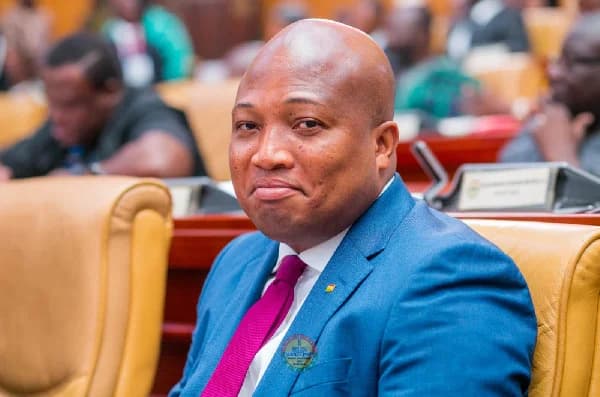
Foreign Affairs Minister, Samuel Okudzeto Ablakwa, says calls for reparations over the trans Atlantic slave trade are not about charity but about dignity, justice and healing.
He said recent moves on reparatory justice are focused on addressing historical wrongs, including the return of looted cultural artefacts, rather than raising funds for Africa’s development.
Mr Ablakwa explained that Ghana’s position is aimed at confronting the lasting impact of the slave trade while restoring respect and fairness for affected communities.
“The focus on restitution and healing signals a shift in global conversations on historical accountability,” he said. “This is about real action for redress, not symbolic gestures.”
He stressed that the broader goal is to promote human dignity, strengthen mutual respect and secure justice for victims of past injustices.
The minister also noted that discussions have drawn input from the diplomatic community, including Israel’s ambassador to Ghana, Roey Gilad, and representatives from other countries, reflecting a range of views on reparatory justice.
Mr Ablakwa said Ghana would closely monitor how any returned artefacts are handled, insisting there would be strict oversight of their management and use.
“What remains now is how effectively Ghana can translate this diplomatic success into tangible outcomes, particularly in securing the return of artefacts and advancing meaningful dialogue on restitution,” he said.
He added that the coming months would be critical in determining how far international cooperation can go and how Ghana’s roadmap will be implemented.
Mr Ablakwa also pointed to the lasting effects of the trans Atlantic slave trade, saying Ghana and the wider African continent continue to bear deep historical scars linked to the actions of European powers.
He maintained that the push for reparations is ultimately about acknowledging those wounds and pursuing justice in a meaningful and lasting way.
Story By Martha Seyram Jackson || Metro Digital



