
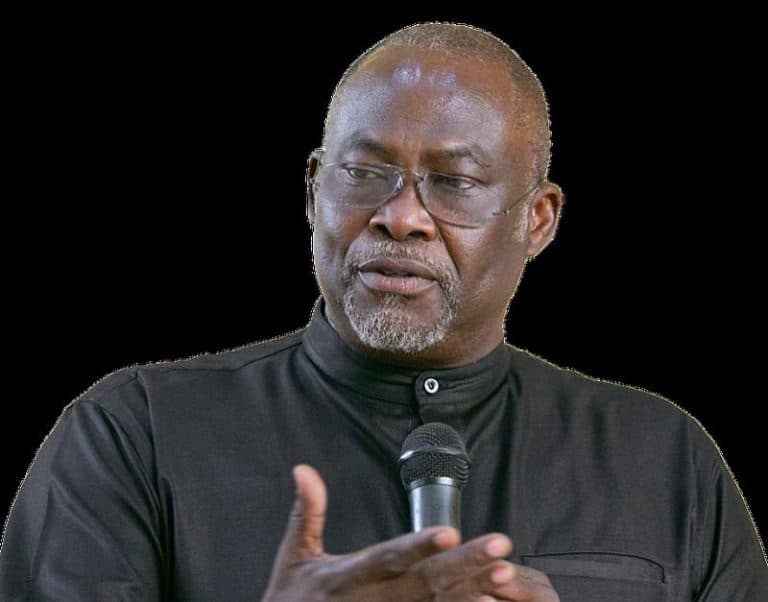
Ghana must move beyond short-term fixes in the power sector and pursue a deliberate long-term strategy to achieve energy sovereignty, Special Envoy for Reparations Dr. Ekwow Spio-Garbrah has said.
Dr. Spio-Garbrah made the call at the 3rd edition of the Energy Sustainability Leadership Conference (ESLC) 2026 in Accra, which brought together government, industry players and sustainability experts to mobilize investment and policy support for Ghana’s green transition.
“Ghana must move beyond short-term interventions in the power sector and pursue a deliberate, long-term strategy to achieve energy sovereignty.”
The conference focused on expanding renewable energy generation, improving the financial performance of the sector, strengthening resilience and efficiency, and leveraging technology to enhance energy production and supply.
Stakeholders at the conference said the call is critical because Ghana’s economic transformation will depend heavily on its ability to guarantee reliable, affordable and sustainable power for households, businesses and industry.
For years, Ghana’s strategy has been dominated by emergency power purchases and short-term interventions to keep the lights on.
Dr. Spio-Garbrah’s push for energy sovereignty is a call for a coherent policy that balances immediate needs with building local capacity to generate clean power, reducing dependence on imported fuels, attracting private sector investment, and making the transition economically viable and environmentally sustainable.
This move will mean Ghana is ready to draw lessons from two African countries that invested in long-term sustainable energy.
Morocco invested over $9 billion in the Noor Ouarzazate Concentrated Solar Power complex, one of the world’s largest. The long-term vision has helped Morocco grow its renewable share from 21% to nearly 40%, cut fuel imports, and position itself as a future clean energy exporter to Europe.
Also, in East Africa, Kenya through its Geothermal and Wind Baseload made early, sustained investment in geothermal energy in the Menengai and Olkaria fields, complemented by the 310MW Lake Turkana Wind Project. Today, Kenya generates over 90% of its electricity from renewables on many days, giving it baseload renewable power, lower costs, and greater energy security.
Dr. Spio-Garbrah together with all other participants said Ghana, with its abundant solar, wind and hydro resources, has the same opportunity if it moves from short-termism to long-term planning.
The conference ended with a call for coherent policy implementation and increased private sector involvement to drive the transition.
By: Bright Yao Dzakah | Metrotvonline.com | Ghana



