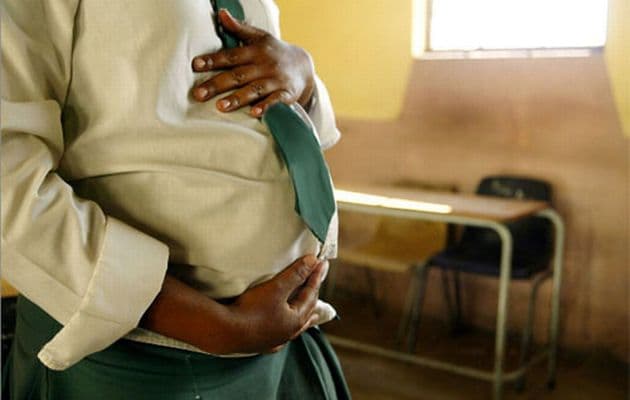
More than 53,000 adolescent pregnancies were recorded at health facilities across Ghana in the first seven months of 2026, with girls as young as 10 among those affected.
Data from the Ghana Health Service (GHS) shows that 53,415 adolescent pregnancies were recorded between January and July, including 1,501 cases involving girls aged 10 to 14.
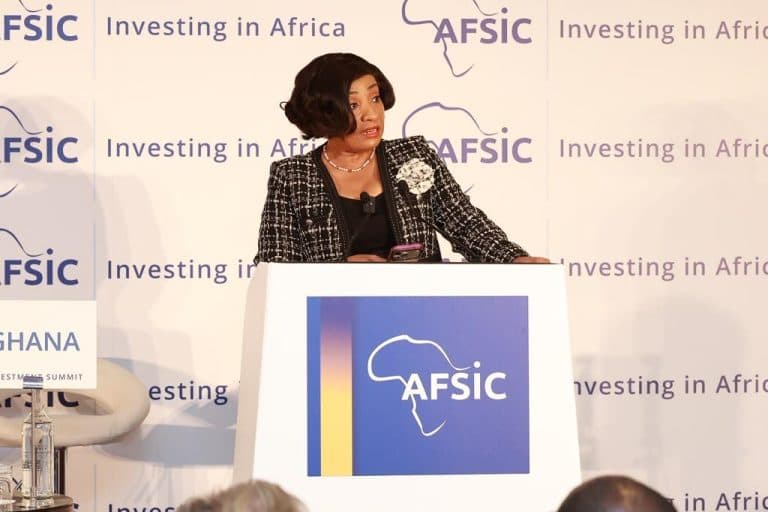
The figures were disclosed by the GHS Programme Manager for Adolescent Health and Development, Sharifa Mohammed, at a National Multisectoral Dialogue on the Reduction of Teenage Pregnancy in Accra on Monday, September 14.
Ms Mohammed said the number of cases recorded so far puts the country on course to approach the annual national burden of more than 100,000 adolescent pregnancies reported in national estimates.
She pointed to staying in school as one of the factors that could help reduce the problem.
According to her, adolescent pregnancies are considerably more common among girls who are out of school than among those who remain in school.
“this is evident that once we keep girls in school, we are bound to reduce adolescent or teenage pregnancies.”
The 2022 Ghana Demographic and Health Survey (GDHS) also found that 15.2 per cent of girls aged 15 to 19 had ever been pregnant.
Ms Mohammed said the statistics represented girls whose education, health and prospects could be affected by pregnancy, particularly when they lack the support needed to cope with the situation.
The regional figures point to a particularly high burden in the Savannah Region.
The region recorded an adolescent birth rate of 117.5 births per 1,000 girls, compared with a reported Sub-Saharan African average of 104 births per 1,000.
Within the region, the Bole District recorded 230 births per 1,000 girls aged 18 to 19, Ms Mohammed said.
The Upper East Region has also recorded a significant number of cases.
“The Upper East Region also recorded more than 2,400 adolescent pregnancies within the first five months of the year under review, including about 520 cases in the Bongo District alone,” she said.
The GHS has been implementing its “Safety Net” intervention since 2017 to provide support to adolescent girls facing health and social challenges.
The programme offers maternal and child health services designed for adolescents, sexual and reproductive health education, psychosocial support, referrals and links to social protection services.
It also works with the Ghana Education Service (GES) to support pregnant adolescents who are able to return to school.
For girls who cannot go back to formal education, Ms Mohammed said the GHS could connect them with civil society organisations and other services to help them develop vocational and livelihood skills.
The Service says it has so far reached more than 310,000 young people with sexual and reproductive health information this year. About 54,000 pregnant adolescents have also received services.
Clara Nyarkoah Anim, Programme Manager at MSI Reproductive Choices Ghana (MSIG), said teenage pregnancy was shaped by a combination of factors.
She identified education, access to information and services, gender and social norms, and poverty among the issues linked to the problem.
Ghana, she noted, already has policies, strategies and programmes intended to reduce teenage pregnancy.
But according to her, the bigger challenge was ensuring that those measures were properly implemented, coordinated and funded, with clear accountability for their delivery.
Ms Anim said young people should have a stronger voice in shaping measures to address teenage pregnancy, as their lived experiences can help policymakers better understand the challenges affecting them.