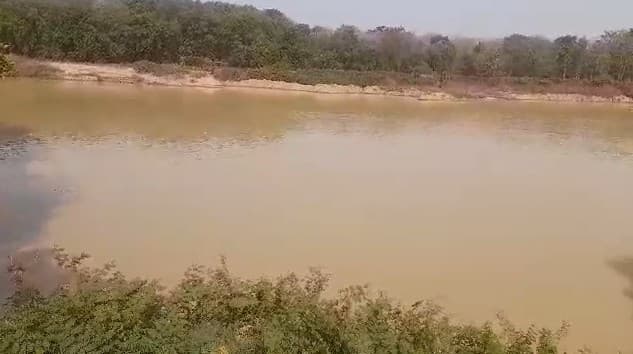
Farmers along the White Volta River at Kubore in the Upper East Region say they are seeing relief after water began flowing back into the river shortly after a television report emphasised the challenges they were facing.
The farmers believe attention from a report aired by Metro TV played a key role in drawing the attention of authorities in Burkina Faso, who subsequently released water into the river. The development has brought hope to many farmers whose crops were at risk due to the drying river.
For months, farmers in Kubore and nearby communities had watched the White Volta shrink after water resource authorities in Burkina Faso diverted water from the river to the Bagre Dam area late last year. The diversion left parts of the river nearly dry and created serious difficulties for farmers who rely on it for irrigation.
By early March 2026, many farmers feared they would lose their crops if the situation continued.
On March 11, 2026, Metro TV’s Upper East Regional Correspondent Ibrahim Abode reported on the growing crisis and the threat it posed to farming activities in the area.
Two days after the report was broadcast, farmers say water began flowing back into the White Volta in large volumes.
The farmers say the return of water has revived their farms and given them hope of saving their crops. Many believe the media attention helped bring the situation to the notice of the relevant authorities and contributed to the decision to release water.
Farmers in Kubore say their produce plays an important role in the local economy. According to them, their harvests are transported to major markets in cities such as Accra and Kumasi and are also exported to neighbouring countries including Togo and Cote d’Ivoire.
Despite the renewed flow of water, the farmers say several challenges remain. They are appealing to the government to support them with resources to fence their farms to protect crops from stray animals.
Bazua Youth Leader and farmer Atubiga Charles says protecting the farms will help farmers safeguard their produce and sustain their livelihoods.
Story by Ibrahim Abode