
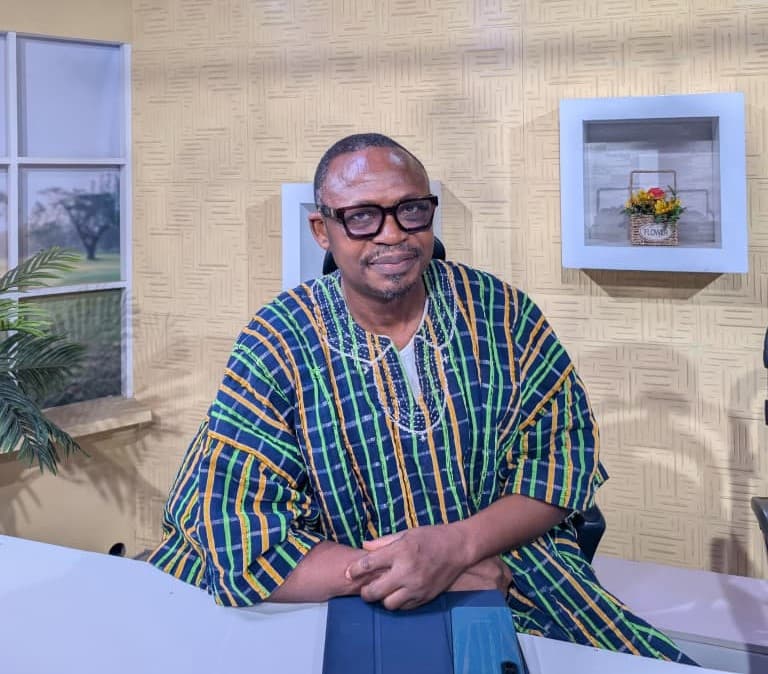
The Ghana Association of Assembly Members is calling for better support, training and incentives for unit committee members, arguing that the grassroots representatives are being left out of Ghana’s local governance system.
General Secretary of the Association, Rev. Augustine Karbo, says unit committee members occupy a critical position in local governance but often lack the motivation and resources needed to effectively serve their communities.
Speaking on Good Afternoon Ghana on Metro TV on Wednesday, September 16, 2026, he said the imbalance is particularly evident in the treatment of elected representatives at different levels of governance.
“Throughout the democratic landscape in Ghana, there are four elected members in this country. The unit committee member, the assembly member, the MP and the president. All of these are elected. Out of the four, the president is renominated, the MP is renominated, the assembly member is given some allowances. The unit committee is left out. There’s no motivation,” he said.
According to Rev. Karbo, the lack of incentives can affect the level of commitment expected from people who volunteer to serve at the community level.
He said unit committee members have families and personal responsibilities to take care of, making it difficult for them to remain fully committed to their duties without some form of support.
“They have family to feed, they have their own life to take care of. So they are not making the position attractive enough,” he added.
Training gap
Away from that, Rev. Karbo identified inadequate training and understanding of the mandate of unit committee members as another challenge affecting local governance.
He said some people become unit committee members without fully understanding the responsibilities attached to the position.
“The unit committee member does not even know what his mandate is all about. Then how did he become a unit committee member?” he asked.
He believes regular education and capacity building are necessary to help community-level representatives understand their roles and effectively engage residents and local authorities.
“What we can do about it is about education. Training, capacity building, empowerment. For them to know what their mandate is, for them to know what their rights are, for them to know why they are occupying a strategic position at the community level,” he said.
He added that understanding the mandate is essential to effective service.
“It must be known, understood, then you can exercise it. And that is the gap we’ve been talking about.”
Grassroots governance
Rev. Karbo argued that strengthening unit committees is important because they are among the first points of contact between citizens and local government.
He explained that unit committee members are expected to identify challenges in their communities, document them and pass them through the assembly structure for action.
“Working for the community, you chose to put up yourself or some people nominated you and you gave yourself to serve. So now the service has come because there are no incentives, there are no motivations,” he said.
He called for a stronger national platform for unit committee members, with structured training and capacity-building programmes to improve their ability to perform their responsibilities.
The Convenor of the National Association of Unit Committee Members, Israel Agbomadzi, also argued that assembly and unit committee members need greater capacity to develop solutions at the local level.
He said local representatives should not always wait for central government or the municipal assembly to resolve problems in their communities.
“The assembly member is not creative. How to raise revenue or lobby is not there. They give them capacity. I don’t know what kind of capacity they give to them. So they are limited of information, how to do something outside the box,” he said.
Mr Agbomadzi said strengthening local representatives could help communities take greater responsibility for issues such as sanitation, revenue mobilisation and the implementation of government policies.
The two representatives are therefore pushing for stronger collaboration between unit committee members, assembly members, traditional authorities, religious organisations and residents as part of efforts to improve community development.