The US dollar is facing unprecedented pressure due to what veteran journalist Kwesi Pratt Jr. describes as the “mistakes of capitalist countries,” amid rising tensions between the United States, Israel, and Iran.
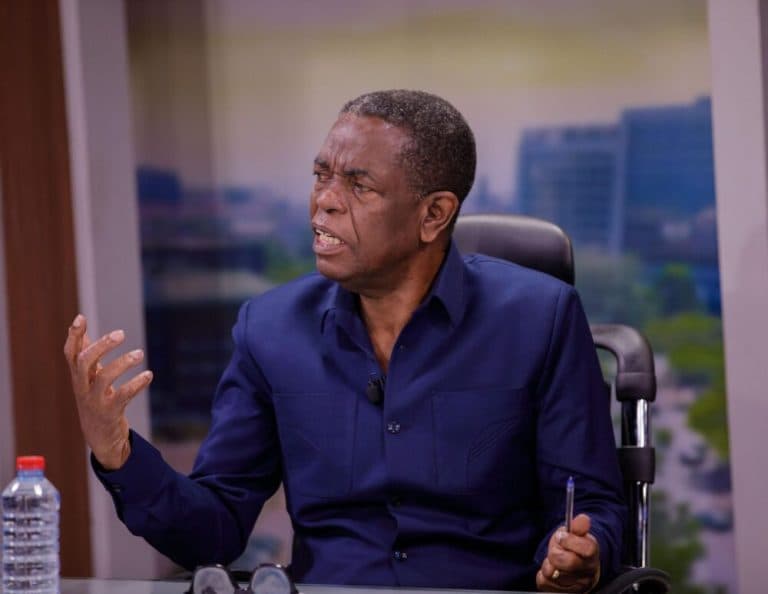
Speaking on Metro TV’s Good Morning Ghana on March 18, the former managing editor of the Insight Newspaper said the ongoing conflict has fueled sharp increases in gold prices, which could benefit Ghana as a major gold producer.
“The impact is not all negative for Ghana. We should balance the benefits of gold and crude against the rising global costs, rather than passing the full burden onto consumers,” Pratt said.
He argued that governments exist to shield citizens from global crises, not simply transfer costs.
“At every turn, if a crisis hits and the government passes all the costs to the consumer, then we don’t need a government,” he said. “Our aim must always be to make life more bearable for the average Ghanaian.”
Pratt also offered insight into the weakening of the US dollar, which he described as “worthless” in real terms, as it is no longer backed by gold. Its value has traditionally rested on its dominance in oil trade.
However, shifts in global energy markets are challenging this status. Russia now trades oil in Ruble, China in Yuan, and India in its own currency. Iran has indicated it will accept the Chinese currency instead of the dollar.
“These changes will weaken the US economy because the dollar is no longer the default currency for trade,” Pratt explained.
He added that the US has historically been able to print money to manage its deficits, effectively exporting inflation worldwide, a system now under strain.
The journalist warned that the situation mirrors past currency collapses, including the British pound after Britain overextended itself in wars and the dilution of Spain’s currency centuries ago.
“The US is over-stretching itself, and its currency is collapsing. There is global panic, and the cause is the same mistakes that previous powers made,” he said.
Pratt’s commentary comes as Ghana and other economies navigate the ripple effects of global conflict, energy market shifts, and currency fluctuations. While challenges are significant, he urged governments to act strategically to protect citizens from the full brunt of global economic shocks.