When the University Teachers’ Association of Ghana’s University of Ghana chapter (UTAG-UG) issued its ultimatum in January, it was clear, blunt and uncompromising.
Resign by January 31, or face industrial action.
That deadline has now passed. No resignations have followed. And across Ghana’s public universities, one question dominates conversations in staff rooms and corridors: Will the lecturers strike?
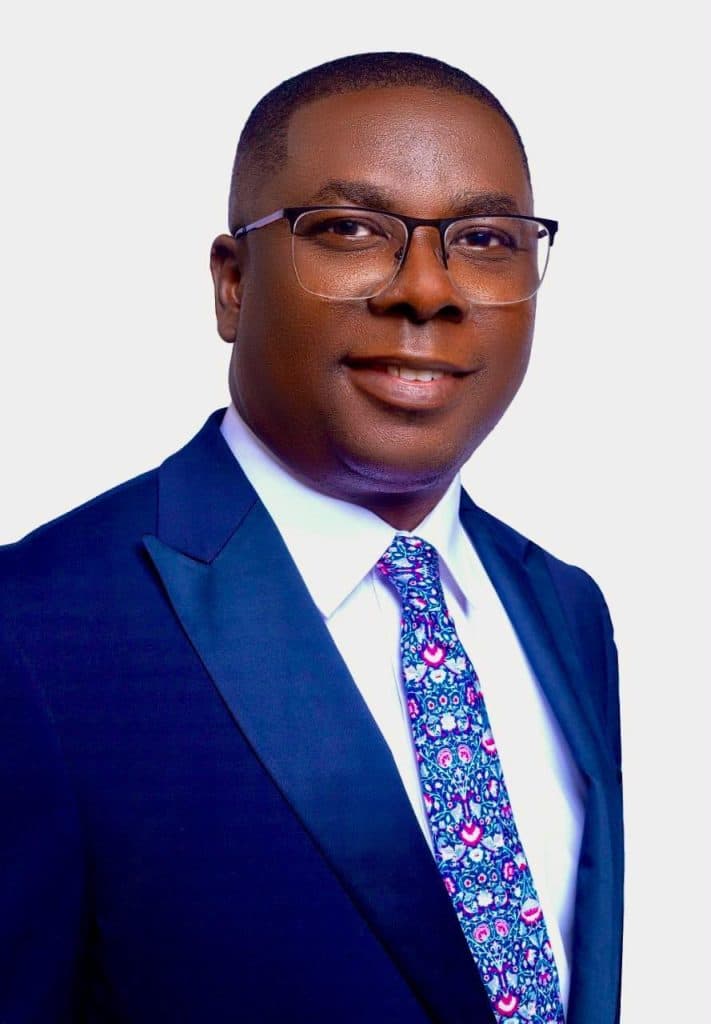
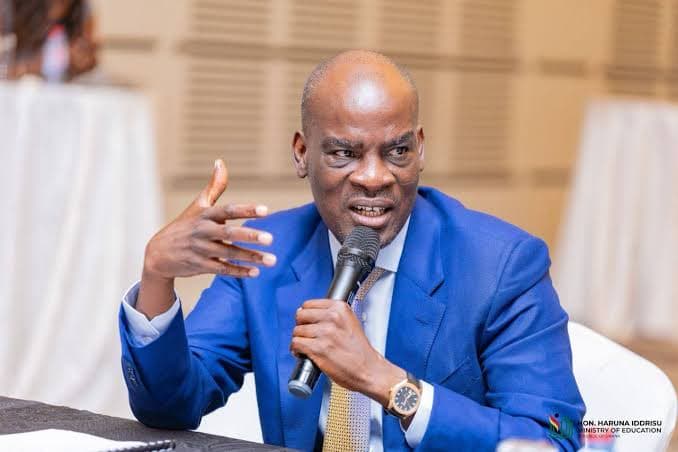
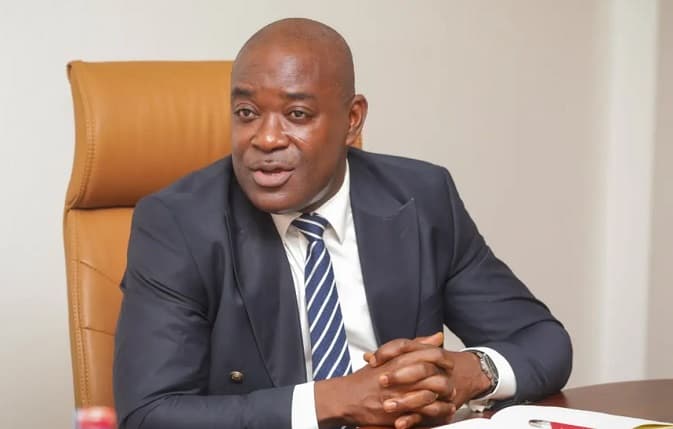
At the centre of the standoff are Prof. Ahmed Jinapor Abdulai, Director-General of the Ghana Tertiary Education Commission (GTEC), and his deputy, Prof. Augustine Ocloo. UTAG accuses them of abusing regulatory powers, sidelining governing councils and eroding academic freedom.
Since the ultimatum was issued, UTAG chapters at KNUST, the University of Cape Coast and the University for Development Studies have rallied behind UTAG-UG, turning a campus protest into a national confrontation.
Lecturers at these institutions cite worsening workloads, stalled recruitment and what they describe as growing interference from GTEC.
But unity has limits.
At UDS, administrators have publicly opposed strike action and voiced support for Prof. Jinapor, a move that has divided staff and deepened tensions on campus.
For students, the standoff brings familiar anxiety.
Memories of past strikes and pandemic-related disruptions remain fresh. Many now fear delayed graduations, suspended lectures and crowded academic calendars.
“We are always the ones who suffer,” said a second-year student at Legon.
“Nobody thinks about us when these fights start.”
Much of UTAG’s anger centres on GTEC’s increasing involvement in university affairs – from retirement directives to staff recruitment and fee-related disputes.
One flashpoint was a directive requiring lecturers to retire immediately upon turning 60, even mid-semester, a move UTAG says ignores academic realities.
GTEC maintains that its actions are aimed at restoring discipline and accountability. But critics argue that regulation has become control.
The government has so far remained silent, despite rising tensions.
Most academics say officials are wary of provoking lecturers, whose strikes can quickly become national political issues.
Within UTAG, pressure is building.
Some members argue that failure to act will weaken the union permanently. Others worry about public backlash.
But with the deadline gone, expectations are clear.
In the coming days, Ghana’s campuses may find out whether this was a warning, or the beginning of a shutdown.