
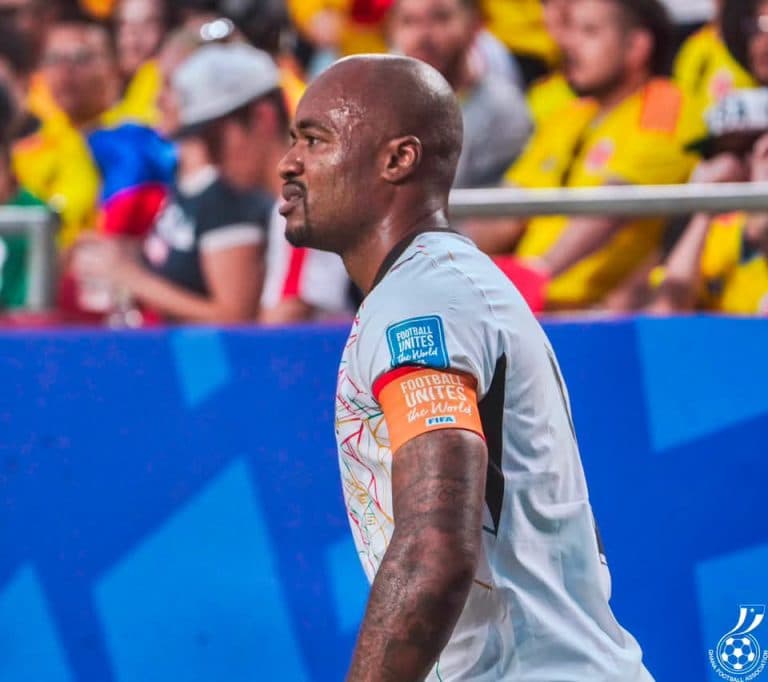
Ghana’s elimination from the 2026 FIFA World Cup has brought an end to weeks of excitement for supporters. It has also brought an abrupt slowdown for many businesses that had tied sales and promotions to the Black Stars’ campaign.
Restaurants, sports bars, television stations, betting companies, retailers and advertisers all benefited from the tournament. Once the national team exited, much of that momentum disappeared.
That begs for the question seems easy to ask but difficult to answer. Is Ghana’s football economy too dependent on the fortunes of the Black Stars?
Football remains the country’s most popular sport, yet commercial activity tends to peak only during major tournaments. We saw that during the 2006, 2010, 2014, and 2022 FIFA World Cup tournaments. Outside those periods, the domestic game attracts fewer sponsors, lower television audiences and less commercial interest than many believe it should.
The contrast is difficult to ignore. FIFA generates billions of dollars from broadcasting, marketing and licensing rights, making football one of the world’s biggest entertainment businesses. Ghana, meanwhile, still relies heavily on national team competitions to drive spending and corporate attention.
The local league illustrates the challenge. Broadcast rights have changed hands several times in recent years, reflecting efforts to improve the league’s commercial appeal. Questions remain over how to increase viewership, attract long-term sponsors and generate more stable revenue for clubs.
There are signs that football’s commercial value extends beyond the pitch. Government and private companies worked together to secure television rights for the World Cup, while businesses also contributed to fundraising efforts ahead of the tournament. That level of interest shows companies still see value in football when audiences are engaged.
However, the challenge is sustaining that interest after the tournament ends.
Football academies continue to produce players who move abroad, creating transfer income and career opportunities. Yet many clubs struggle to build matchday revenue, merchandise sales or strong commercial partnerships that can support them throughout the season.
Some analysts argue that the focus should shift from treating the Black Stars as the centre of the football economy to strengthening the wider ecosystem. That includes club football, youth development, coaching, broadcasting, merchandising and stadium operations. Countries that have expanded football into a significant economic activity have generally built those foundations over many years rather than relying on the success of a national team.
Ghana’s World Cup campaign has ended, but the business questions remain. If commercial activity rises only when the Black Stars qualify for major tournaments, the country risks missing opportunities that exist throughout the football calendar. The next test may not be whether Ghana qualifies for another World Cup, but whether football can generate economic value long before the national anthem is played.



